
When it comes to protecting your Samsung Galaxy Z Flip, choosing the right case goes beyond just preventing scratches. Many users are drawn to premium leather options—especially lambskin—for their elegance and tactile appeal. But with prices often double or triple that of standard leather cases, a pressing question arises: is the extra cost truly justified? To answer this, we need to look beyond surface-level aesthetics and examine durability, comfort, longevity, and value in everyday use.
The Allure of Premium Materials
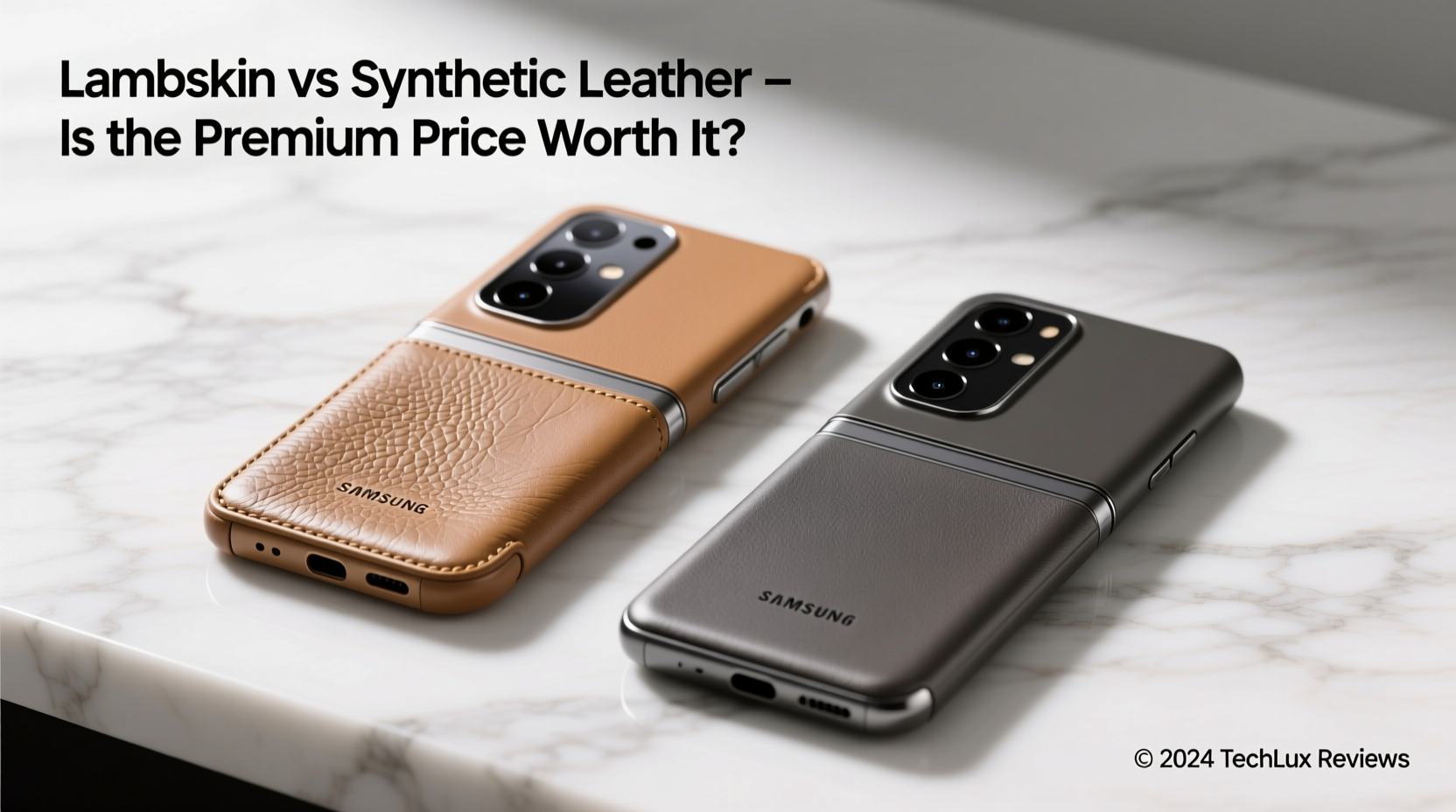
Luxury phone cases have become more than functional accessories—they’re statements. Brands like Casetify, Spigen, and official Samsung editions offer both lambskin and full-grain leather variants for the Z Flip. Lambskin, in particular, is marketed as ultra-soft, silky, and exclusive. It’s the same material used in high-end handbags and designer gloves, which adds to its prestige.
Leather, on the other hand, typically refers to cowhide or top-grain bovine leather in this context. While still luxurious, it's generally more rugged and commonly used in wallets, belts, and furniture. Both materials age differently and respond uniquely to daily wear, moisture, and handling.
Material Breakdown: Lambskin vs Leather
To understand whether the price difference is warranted, let’s compare the core characteristics of each material.
| Feature | Lambskin | Leather (Top-Grain Cowhide) |
|---|---|---|
| Softness | Extremely soft, buttery feel | Firm but smooth over time |
| Durability | Poor—scratches and scuffs easily | High—resists abrasions well |
| Maintenance | High—requires regular conditioning | Moderate—wipe clean, occasional oiling |
| Aging Process | Develops patina but may crack or fade | Develops rich patina; strengthens with age |
| Price Range (Z Flip Cases) | $50–$90 | $30–$60 |
| Water Resistance | Low—absorbs moisture quickly | Moderate—better natural resistance |
The table reveals a clear trade-off: lambskin wins in initial softness and exclusivity but falls short in resilience. If your priority is tactile indulgence and you treat your phone like a fashion accessory, lambskin may satisfy that desire. However, if you use your phone throughout the day—commuting, traveling, working—its fragility becomes a liability.
Real-World Performance: A Mini Case Study
Sophia, a marketing executive in Chicago, purchased a lambskin case for her Z Flip 5 at launch. She loved the way it felt in her hand and how it complemented her minimalist aesthetic. Within three weeks, however, she noticed fine scratches along the edges from being placed in her purse alongside keys and pens. By week six, a coffee spill left a permanent dark spot despite immediate wiping.
She switched to a top-grain leather case and found it less “luxurious” at first touch—but after two months of constant use, it showed minimal wear. The leather developed a warm sheen, and minor scuffs blended into character rather than damage. For Sophia, the switch wasn’t about sacrificing style; it was about aligning form with function.
“Luxury shouldn’t mean fragility. True quality combines beauty with endurance.” — Marcus Lin, Product Designer at a premium mobile accessories firm
Is the Extra Cost Worth It? A Step-by-Step Evaluation
Before deciding, follow this practical decision-making process:
- Assess Your Usage Pattern: Do you carry your phone in a dedicated pouch or toss it in a bag with other items? High-contact environments favor durable leather.
- Evaluate Your Environment: Exposure to rain, humidity, or frequent hand oils increases risk for lambskin.
- Consider Longevity: Are you someone who keeps phones for 2+ years? Lambskin degrades faster, while good leather improves.
- Budget Realistically: Paying $80 for a case that lasts six months yields poor value compared to a $45 case lasting two years.
- Weigh Emotional vs. Practical Value: If the joy of holding a soft, elegant case outweighs durability concerns, lambskin might still be right for you.
Expert Care Tips for Each Material
Regardless of your choice, proper maintenance extends lifespan significantly.
Caring for Lambskin
- Use a microfiber cloth daily to remove fingerprints and dust.
- Apply a specialized lambskin conditioner every 4–6 weeks.
- Never expose to direct sunlight or heat sources.
- Store in a breathable fabric pouch when not in use.
Caring for Top-Grain Leather
- Wipe with a slightly damp cloth monthly.
- Condition with leather oil every 3–4 months.
- Avoid submersion in water; blot spills immediately.
- Let it air dry naturally if damp—never use a hairdryer.
“Leather is like skin—it needs hydration. Neglect it, and it cracks. Treat it well, and it ages beautifully.” — Elena Ruiz, Artisan Leather Crafter
Checklist: Choosing the Right Case for You
Answer these questions to make an informed decision:
- ✅ Do I want a case that feels soft and luxurious above all else? → Lean toward lambsilk.
- ✅ Will my phone be exposed to moisture, friction, or rough handling? → Choose durable leather.
- ✅ Am I willing to perform weekly upkeep? → Lambskin requires commitment.
- ✅ Do I keep devices for over a year? → Leather offers better long-term value.
- ✅ Is scratch resistance important? → Standard leather outperforms lambskin.
- ✅ Does my lifestyle involve frequent travel or outdoor activity? → Prioritize toughness.
FAQ
Can I repair a scratched lambskin case?
Minor surface marks may be reduced with professional cleaning, but deep scratches or stains are usually permanent. Unlike leather, lambskin lacks a thick grain layer for buffing.
Does leather make the Z Flip bulkier?
Not significantly. Most premium leather cases are designed with slim profiles to maintain the phone’s foldable elegance. Some even enhance grip without adding noticeable thickness.
Is lambskin ethical?
Lambskin is a byproduct of the meat industry, but ethical sourcing varies by brand. Look for companies that disclose animal welfare standards and avoid exotic skins unless certified sustainable.
Final Verdict: Luxury vs. Longevity
The extra cost of a lambskin Z Flip case is rarely justified for most users. While undeniably luxurious in hand, its fragility undermines its value proposition. It demands meticulous care, shows wear quickly, and offers no functional advantage over high-quality leather.
In contrast, a well-made top-grain leather case delivers a balance of elegance, protection, and aging potential. It may not feel as soft initially, but it gains character over time—developing a personalized patina that tells the story of your usage.
If you're drawn to lambskin for its prestige, consider reserving it for special occasions or backup phones. For daily drivers, especially foldable devices that endure repeated opening and closing, durability should take precedence over fleeting softness.




 浙公网安备
33010002000092号
浙公网安备
33010002000092号 浙B2-20120091-4
Comments
No comments yet. Why don't you start the discussion?