
Choosing the right luggage for a long trip—whether it’s three weeks in Southeast Asia or six months across Europe—can shape your entire travel experience. The debate between large travel backpacks and rolling suitcases isn’t just about preference; it’s about how you move, pack, rest, and adapt on the road. While both have loyal followings, the “better” option depends on your destination, itinerary, physical ability, and personal priorities. Let’s break down the realities of each to help you make an informed decision.
Mobility and Terrain: Where You’re Going Matters
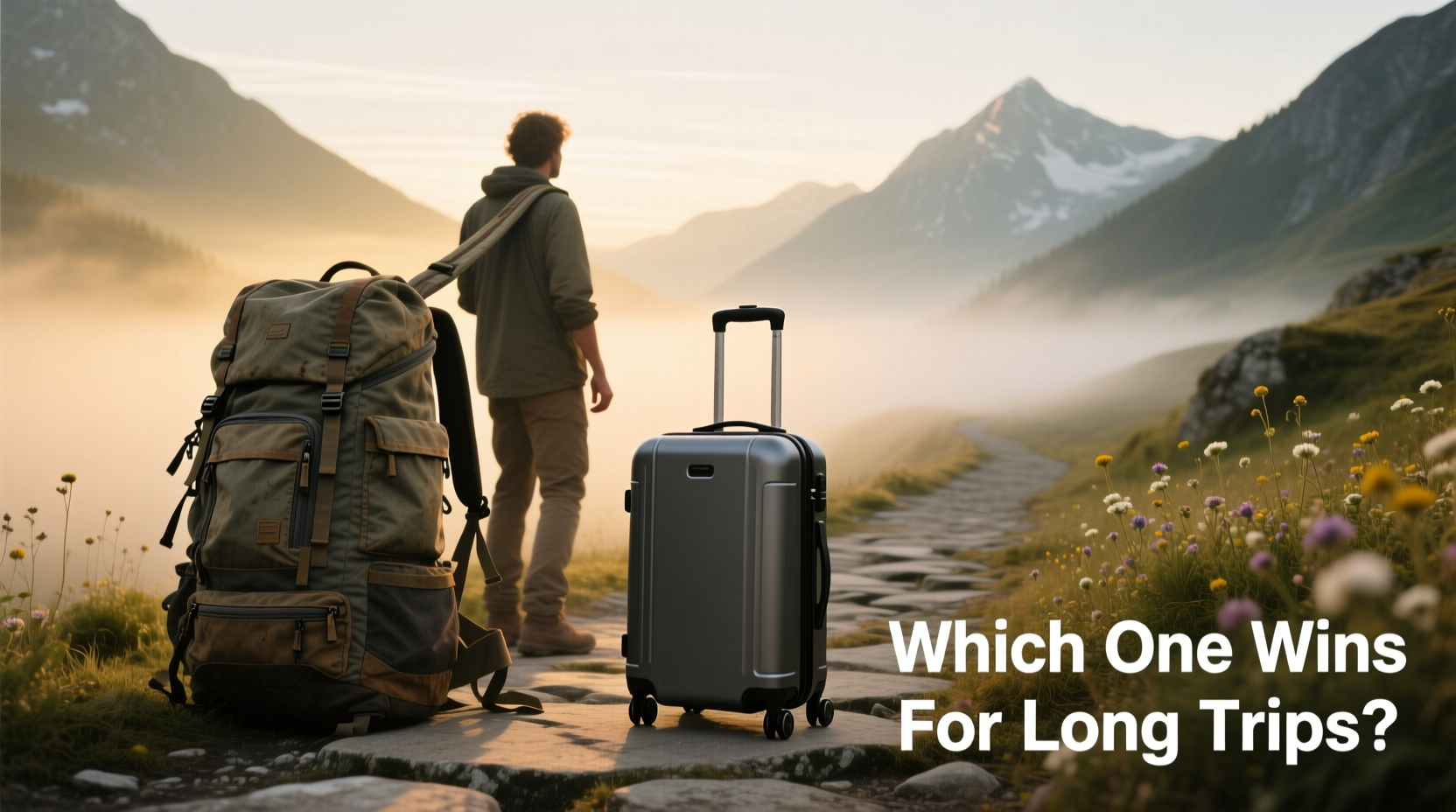
Your destination plays a decisive role in whether a backpack or suitcase will serve you best. Rolling suitcases excel on smooth, flat surfaces—airports, city sidewalks, hotel lobbies, and train platforms. But once you step off the pavement, wheels can become a liability. Cobblestone streets in Prague, uneven stairs in Greek islands, dirt paths in rural Thailand, or crowded markets in Marrakech turn suitcases into cumbersome burdens.
Backpacks, by contrast, offer unmatched versatility. They free your hands and shift weight to your back and hips, allowing you to climb stairs, hike short distances, or navigate narrow alleys with relative ease. This becomes critical when your accommodation involves multiple flights of stairs or is located far from transport hubs.
Packing Efficiency and Accessibility
Rolling suitcases typically provide more structured packing. Compartments, zippered dividers, and expandable sections help keep clothes organized and wrinkle-free. Hard-shell models add extra protection for fragile items. However, that structure comes at a cost: limited flexibility. Once packed tightly, rearranging is difficult without unpacking half the case.
Backpacks, especially those designed for travel (50–70L), offer vertical access via a U-shaped opening or front panel. This allows you to see everything at once, making it easier to find what you need. Compression straps let you adjust volume as you go. That said, stuffing a backpack efficiently requires skill. Without proper organization, you’ll dig through layers every time you need socks or a charger.
“On multi-country trips with varied climates, I rely on my backpack’s accessibility. Pulling out a layer without emptying the bag saves time and stress.” — Daniel Reyes, digital nomad and long-term traveler
Physical Comfort and Health Considerations
Carrying 15–20 kg (33–44 lbs) for extended periods affects your body—especially your shoulders, neck, and lower back. A well-designed travel backpack with padded shoulder straps, a supportive hip belt, and load stabilizers transfers most of the weight to your hips, reducing strain. When properly adjusted, it should feel balanced and secure, even during long walks.
Suitcases may seem easier at first glance, but prolonged pulling can lead to wrist, elbow, or shoulder discomfort. Maneuvering heavy cases up stairs or onto trains often requires awkward lifting, increasing injury risk. Travelers with joint issues or chronic pain may find backpacks more sustainable if worn correctly.
However, not all travelers can carry heavy loads. Those with back problems, limited upper-body strength, or recovering from injury may benefit significantly from wheeled luggage, especially in cities with good infrastructure.
Comparison: Backpack vs Suitcase at a Glance
| Factor | Travel Backpack | Rolling Suitcase |
|---|---|---|
| Best For | Adventure travel, mixed terrain, frequent movement | City stays, business trips, minimal transit changes |
| Weight Distribution | Evenly distributed across back and hips | All weight on wheels; lifting required for obstacles |
| Packing Flexibility | High – compressible, adaptable | Moderate – rigid compartments |
| Security | Worn on body; harder to tamper with | Can be left unattended; vulnerable to theft |
| Airline Compliance | Often fits carry-on limits; no extra fees | May incur checked baggage fees |
Real-World Example: Six Weeks Through Eastern Europe
Sophie, a solo traveler from Canada, planned a six-week journey through Romania, Bulgaria, and North Macedonia. She chose a 65L travel backpack over her usual suitcase after researching local infrastructure. Her route included overnight buses, hostels with no elevators, and remote monasteries accessible only by foot. During the first week, she watched fellow tourists struggle with suitcases on gravel roads and uneven stone steps. Meanwhile, Sophie adjusted her pack’s hip belt and walked steadily uphill to her guesthouse while others paused every few meters to drag their cases.
When rain turned a dirt path to mud, her backpack remained manageable. At border crossings, she kept her valuables close. By the end of the trip, she hadn’t paid a single checked baggage fee and had avoided multiple moments of physical strain. “I thought I’d miss my suitcase’s smooth roll,” she said later. “But I never missed it as much as I appreciated having my hands free.”
Step-by-Step: Choosing Based on Your Trip Profile
- Map your itinerary. Identify destinations with poor pavement, stairs, or limited vehicle access. More than two such locations? Lean toward a backpack.
- Evaluate your daily movement. Will you change accommodations frequently? Use buses, trains, or ferries? High mobility favors backpacks.
- Assess your physical condition. Can you comfortably carry 15–20% of your body weight? If not, consider a hybrid solution (e.g., lightweight suitcase + daypack).
- Check airline policies. Budget carriers often charge heavily for checked bags. A carry-on-compatible backpack avoids fees and lost luggage.
- Test before you go. Load your chosen bag with actual gear and walk 1.5 km with it. Note discomfort points and adjust accordingly.
Hybrid Solutions and Emerging Trends
The line between backpacks and suitcases is blurring. Many modern designs combine features: backpacks with trolley sleeves, suitcases with detachable backpack systems, or convertible luggage that shifts from wheels to straps. These hybrids attempt to offer the best of both worlds—but often compromise on durability or weight.
For example, a “backpackable” suitcase with retractable straps may work for light travelers who mostly roll but occasionally carry. However, these straps are rarely as comfortable or supportive as true hiking-style backpacks. Similarly, some travel backpacks now include inline wheels and a pull handle, though they remain niche due to added weight and complexity.
Frequently Asked Questions
Can I use a large backpack as a carry-on?
Most airlines allow carry-ons up to 55 x 40 x 20 cm (22 x 16 x 8 in). Many travel backpacks (50–55L) are designed to meet these dimensions. Always verify with your carrier, especially budget airlines, which enforce strict limits.
Is a rolling suitcase safer for theft?
Not necessarily. While suitcases are visible, they can be left unattended during security checks or while buying tickets. Backpacks worn on the front in crowds or locked to hostel beds offer better personal control. Ultimately, vigilance matters more than luggage type.
How do I decide between 60L and 70L?
A 60L backpack suits most travelers for 2–6 months if packing light. A 70L model gives extra room for cold-weather gear, souvenirs, or longer trips. Overpacking leads to strain—stick to what you need, not what fits.
Final Verdict: Context Wins Over Convenience
There is no universally “better” option between a large travel backpack and a rolling suitcase. The answer lies in context. For long trips involving diverse terrain, frequent moves, or adventure-based activities, a well-fitted backpack usually proves superior. It enhances independence, reduces costs, and integrates seamlessly with active travel styles.
Rolling suitcases shine in urban environments with reliable infrastructure, especially for business travelers or those prioritizing comfort over exploration. They’re ideal when you’ll stay in one place for weeks and value wrinkle-free clothing and easy access.
The smartest choice isn’t about trends or aesthetics—it’s about aligning your gear with your journey’s demands. Invest time in research, test your setup beforehand, and remember: the best luggage is the one that lets you move freely, safely, and confidently through the world.




 浙公网安备
33010002000092号
浙公网安备
33010002000092号 浙B2-20120091-4
Comments
No comments yet. Why don't you start the discussion?