
Commuting by train demands more than just punctuality—it requires thoughtful gear choices that balance style, function, and endurance. Among the most debated accessories is the choice between a large woven handbag and a dedicated commuting backpack. While one exudes bohemian charm and weekend flair, the other promises ergonomic support and organizational efficiency. But when packed with a laptop, lunch, and layers, which truly holds up on crowded platforms, bumpy rides, and rushed transfers?
This comparison isn’t about fashion alone. It’s about practicality under pressure—how each bag performs when you’re juggling space, stability, security, and long-term wear. Let’s break down the real differences.
Comfort and Weight Distribution
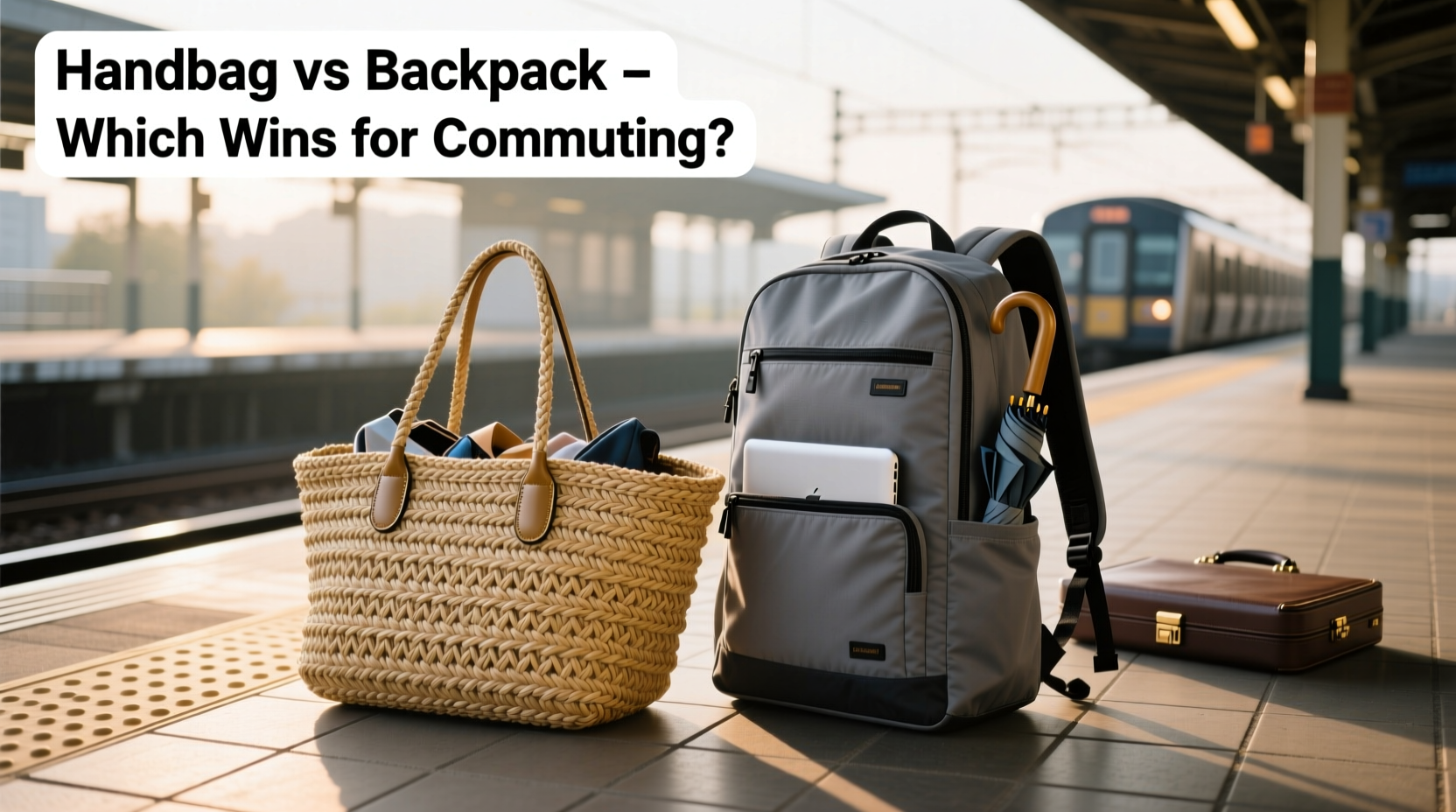
One of the most overlooked aspects of urban commuting is how weight affects your body over time. A large woven handbag may look effortlessly chic, but it often relies on a single shoulder strap or short handles, concentrating all the load on one side of the body. This imbalance can lead to neck strain, shoulder fatigue, and poor posture—especially during peak hours when you're standing for extended periods.
In contrast, commuting backpacks are engineered for balanced weight distribution. With padded, adjustable shoulder straps and sometimes even a chest or waist stabilizer, they transfer the load across both shoulders and into the hips, reducing physical stress. Many models also feature breathable back panels to prevent overheating during walks from station to office.
Capacity and Organization
Let’s assume a typical commuter carries a 13” laptop, power bank, water bottle, lunch container, notebook, and perhaps a light jacket. The woven handbag, while spacious in volume, often lacks internal structure. Its open, floppy interior makes accessing items mid-commute difficult and increases the risk of damage to electronics.
Backpacks, especially those designed for urban professionals, offer multiple compartments: padded laptop sleeves, zippered organizer pockets, side mesh holders for bottles, and even hidden anti-theft pockets. These features streamline access and protect valuables—critical when navigating turnstiles or boarding quickly.
“Organization isn’t just convenience—it’s a safety feature. The faster you can retrieve your ticket or phone, the less vulnerable you are in crowded spaces.” — Marcus Lin, Urban Mobility Consultant
Durability and Weather Resistance
Woven handbags, typically made from raffia, seagrass, or synthetic fibers, are inherently vulnerable to moisture. A sudden downpour or accidental brush against a wet seat can leave stains, warping, or mold. Even high-end versions rarely offer waterproof linings, making them seasonal rather than year-round options.
Commuting backpacks, on the other hand, are built for resilience. Most use water-resistant or fully waterproof materials like recycled polyester, ballistic nylon, or TPU-coated fabrics. Zippers are often covered or sealed, and bases are reinforced to withstand pavement contact. Some even come with built-in rain covers stashed in the bottom compartment.
Real-World Example: A Rainy Morning Commute
Sophie, a graphic designer in Seattle, used to carry a large rattan tote she loved for its aesthetic. One morning, caught in an unexpected storm, she arrived at her office to find her laptop sleeve soaked through. The device survived, but her sketchbook was ruined, and the bag never regained its shape. After that, she switched to a minimalist backpack with a roll-top closure. “I didn’t realize how much peace of mind comes from knowing my gear is protected,” she said.
Security and Theft Risk
Train stations and subway cars are hotspots for opportunistic theft. Woven handbags, especially when carried loosely or placed beside you on a seat, offer easy access to pickpockets. Their open tops and lack of locking mechanisms make them particularly vulnerable.
Many modern commuting backpacks address this with RFID-blocking pockets, lockable zippers, and even slash-proof straps and bottoms. Designs with rear-facing compartments (against the back when worn) minimize external access. Some brands integrate smart features like GPS trackers or alarm systems for added security.
Comparison Table: Woven Handbag vs Commuting Backpack
| Feature | Large Woven Handbag | Commuting Backpack |
|---|---|---|
| Weight Distribution | Poor – single-point load | Excellent – dual-shoulder support |
| Weather Resistance | Low – absorbs moisture easily | High – water-resistant materials |
| Internal Organization | Minimal – often one main compartment | High – multiple dedicated pockets |
| Theft Protection | Low – open, accessible design | High – lockable, hidden compartments |
| Durability Over Time | Moderate – fibers fray, lose shape | High – abrasion-resistant construction |
| Style Flexibility | High – works for casual, creative settings | Moderate – varies by design |
When the Woven Bag Might Still Win
It’s not all one-sided. There are scenarios where the large woven handbag shines. For weekend trips, summer commutes in dry climates, or creative workplaces with relaxed dress codes, it offers a distinctive, personal touch. Some high-end versions now include removable inner pouches with padding, improving both security and organization.
Additionally, if you’re only carrying light essentials—a book, wallet, phone, and sunglasses—the handbag’s open access becomes an advantage. No unzipping, no strapping, just grab and go.
Step-by-Step: Choosing Your Ideal Commuter Bag
- Assess your daily load: List everything you carry regularly. If it includes electronics or heavy items, lean toward a backpack.
- Check your commute length: Trips over 30 minutes favor ergonomic designs that reduce fatigue.
- Evaluate weather patterns: Frequent rain or snow makes weather resistance non-negotiable.
- Test accessibility: Can you reach your transit card without removing the bag? Backpacks often require taking them off; handbags allow quicker access.
- Consider your work environment: Corporate offices may prefer sleek backpacks; creative studios may welcome woven styles.
- Try before you buy: Load a sample bag with your typical items and walk around for 15 minutes. Notice any discomfort or imbalance.
Frequently Asked Questions
Can I use a woven handbag as a daily commuter bag?
You can, but only if your commute is short, dry, and your load is light. For regular use, especially with a laptop, it’s not recommended due to lack of protection and poor ergonomics.
Are there stylish backpacks for professional settings?
Yes. Brands like Aer, Bellroy, and WaterField Designs offer minimalist, leather-trimmed backpacks that blend functionality with sophistication. They look at home in boardrooms and coffee shops alike.
How do I clean a woven handbag if it gets dirty?
Use a soft, dry brush to remove dust. For stains, dab gently with a slightly damp cloth and mild soap—never soak. Allow to air-dry away from direct heat. Avoid storing in plastic, which traps moisture.
Final Verdict: Which Is Actually Better?
For the majority of train commuters, the answer is clear: the commuting backpack is objectively better for daily use. It wins in comfort, protection, organization, and long-term reliability. It adapts to weather, workload, and urban challenges in ways a woven handbag simply cannot.
That said, the woven handbag has its place—as a seasonal accessory, a weekend companion, or a statement piece for low-stakes days. The smart commuter doesn’t abandon style altogether but chooses contextually. Some even rotate: backpack for Monday–Thursday, handbag for Friday outings.
“The best bag isn’t the prettiest one—it’s the one that lets you move through your day without thinking about it.” — Lena Cho, Productivity Coach
Take Action Today
Don’t let fashion compromise function. Audit your current commuter bag: Does it cause pain? Has it failed you in the rain? Could it be stolen easily? If so, consider upgrading to a purpose-built backpack—or at least supplement your woven tote with a secure inner liner.
Carry well, arrive ready. Your commute should serve your life, not sabotage it.




 浙公网安备
33010002000092号
浙公网安备
33010002000092号 浙B2-20120091-4
Comments
No comments yet. Why don't you start the discussion?