
A missed or delayed period can trigger concern, especially if your cycle is usually predictable. While pregnancy is the most commonly suspected cause, numerous other factors—ranging from lifestyle changes to underlying health conditions—can delay menstruation. Understanding these causes empowers you to respond appropriately, whether it’s adjusting daily habits or consulting a healthcare provider.
Common Non-Pregnancy Causes of a Late Period
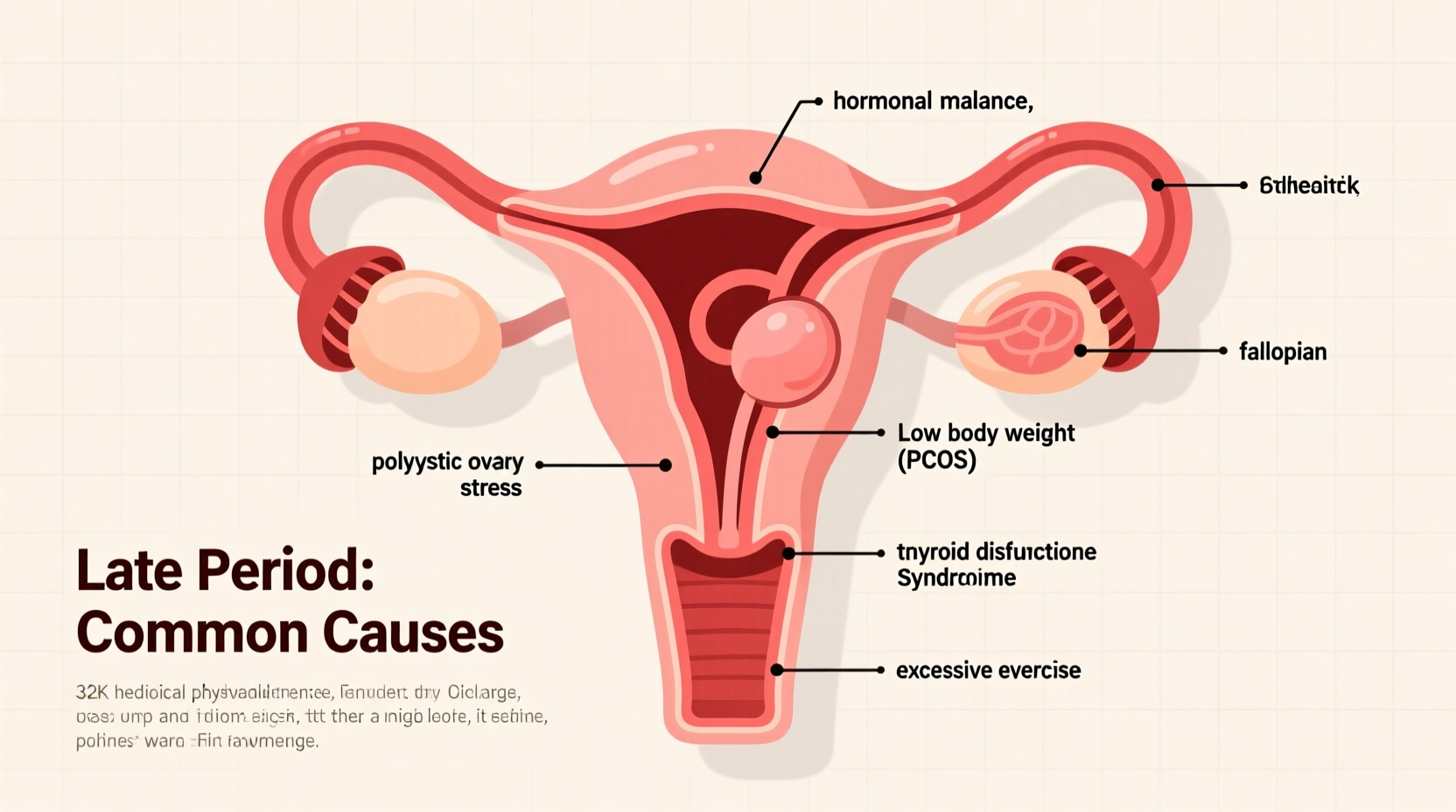
The menstrual cycle is regulated by a complex interplay of hormones, primarily estrogen and progesterone, influenced by the hypothalamus, pituitary gland, and ovaries. Any disruption in this system can delay ovulation or prevent menstruation altogether.
- Stress: Chronic emotional or physical stress elevates cortisol, which can suppress the release of gonadotropin-releasing hormone (GnRH), essential for triggering ovulation.
- Weight Changes: Significant weight loss, low body fat, or rapid weight gain can disrupt hormone production. Fat tissue plays a role in estrogen synthesis, so extreme fluctuations impact cycle regularity.
- Intense Exercise: Athletes or individuals engaging in high-volume training may experience amenorrhea due to low energy availability and hormonal shifts.
- Dietary Habits: Poor nutrition, eating disorders like anorexia or bulimia, or restrictive diets can impair reproductive function.
- Sleep Disruption: Irregular sleep patterns or chronic insomnia affect circadian rhythms, which influence hormonal balance.
Hormonal and Medical Conditions That Delay Menstruation
Several medical conditions interfere with normal ovarian and endocrine function, leading to irregular or absent periods.
Polycystic Ovary Syndrome (PCOS)
PCOS affects up to 10% of women of reproductive age. It's characterized by elevated androgens (male hormones), insulin resistance, and irregular ovulation. Symptoms often include acne, excess hair growth, weight gain, and cysts on the ovaries visible via ultrasound.
Thyroid Disorders
Both hypothyroidism (underactive thyroid) and hyperthyroidism (overactive thyroid) can disrupt menstrual cycles. The thyroid gland influences metabolism and hormone regulation; imbalances often lead to heavier, lighter, or missed periods.
Premature Ovarian Insufficiency (POI)
This condition occurs when ovarian function declines before age 40. Women with POI may experience irregular periods, hot flashes, and infertility due to reduced estrogen production.
Prolactinoma
A benign tumor in the pituitary gland can overproduce prolactin, the hormone responsible for milk production. High prolactin levels inhibit GnRH, suppressing ovulation and menstruation.
“Even subtle hormonal imbalances can significantly impact cycle regularity. A single blood test for TSH, prolactin, and AMH can reveal key insights.” — Dr. Lena Torres, Gynecological Endocrinologist
Lifestyle and Environmental Factors
Modern life introduces stressors that our bodies aren’t evolutionarily equipped to handle continuously. These environmental inputs accumulate and affect reproductive health.
| Factor | Impact on Menstrual Cycle | Reversible With Intervention? |
|---|---|---|
| Chronic Stress | Delays ovulation, reduces cycle frequency | Yes, with stress management |
| Extreme Dieting | May halt menstruation (functional hypothalamic amenorrhea) | Often reversible with nutritional rehab |
| Shift Work / Jet Lag | Disrupts circadian rhythm, affecting melatonin and reproductive hormones | Improves with routine stabilization |
| Medications (e.g., antipsychotics, some antidepressants) | Can elevate prolactin or alter dopamine pathways | Depends on medication; consult physician |
When to Take a Pregnancy Test
If you're sexually active and your period is more than five days late, consider taking a pregnancy test. Most home tests are accurate as early as the first day of your missed period. They detect human chorionic gonadotropin (hCG), a hormone produced after implantation.
For best results:
- Use first-morning urine, which has the highest hCG concentration.
- Follow the instructions precisely—timing matters.
- If the result is negative but your period still doesn’t arrive, retest in 5–7 days.
False negatives can occur if testing too early. False positives are rare but possible with certain medications or medical conditions like molar pregnancies.
Mini Case Study: Delayed Period Due to Training Load
Sophie, a 27-year-old marathon runner, noticed her period didn’t return for four months after increasing her weekly mileage to 70 miles. She maintained a lean physique and reported low appetite. Blood work revealed low estrogen and elevated cortisol. Diagnosed with functional hypothalamic amenorrhea, she worked with a sports dietitian to increase caloric intake and reduce training intensity. Within three months, her cycle resumed without medication.
Step-by-Step Guide: What to Do When Your Period Is Late
- Assess recent activity: Have you experienced major stress, travel, illness, or changes in weight or exercise?
- Take a pregnancy test: Especially if you’ve had unprotected sex, even once.
- Review medications: Check if any new prescriptions could affect your cycle.
- Monitor symptoms: Note signs like headaches, vision changes (possible pituitary issue), acne, or hair growth (suggestive of PCOS).
- Wait 1–2 weeks: If no pregnancy and mild stressor, give your body time to recalibrate.
- See a healthcare provider: If your period is absent for more than three months (and not pregnant), schedule an appointment.
Medical Evaluation: What to Expect
If you visit a doctor for a delayed period, they will likely ask about your medical history, sexual activity, diet, and stress levels. Diagnostic steps may include:
- Blood tests: TSH (thyroid), prolactin, FSH, LH, estradiol, AMH, and testosterone levels.
- Pelvic ultrasound: To check for ovarian cysts, uterine abnormalities, or structural issues.
- Pregnancy confirmation: Serum beta-hCG for definitive results.
Treatment depends on the diagnosis. For example, PCOS may be managed with lifestyle changes, birth control, or metformin. Hypothyroidism requires thyroid hormone replacement.
FAQ
Can I be pregnant and still get a negative test?
Yes, especially if you tested too early. Implantation can occur up to 10–12 days after ovulation, and hCG levels may not yet be detectable. Retest in a week if your period remains absent.
How long is too long to go without a period?
If you’ve gone 90 days (three months) without a period and are not pregnant, it’s advisable to see a healthcare provider. Persistent amenorrhea can affect bone density and fertility over time.
Can birth control cause a late period?
Yes. Hormonal contraceptives, especially progestin-only pills, implants, or IUDs, can cause irregular bleeding or skipped periods. This is generally not harmful but should be discussed with your doctor if concerning.
Checklist: Actions to Take When Your Period Is Late
- ☐ Take a home pregnancy test
- ☐ Review recent lifestyle changes (stress, diet, exercise)
- ☐ Check medications for side effects
- ☐ Track symptoms (acne, fatigue, headaches, etc.)
- ☐ Wait 1–2 weeks if no red flags
- ☐ Schedule a doctor’s visit if period is absent beyond 90 days
- ☐ Consider blood work if irregular cycles persist
Conclusion
A late period isn’t always a sign of something serious, but it shouldn’t be ignored if it becomes a pattern. Your menstrual cycle is a vital sign of overall health, reflecting how well your body is balancing energy, hormones, and stress. Whether the cause is temporary or medical, timely awareness and action can prevent complications down the line. Listen to your body, track your cycles mindfully, and don’t hesitate to seek professional guidance when needed.




 浙公网安备
33010002000092号
浙公网安备
33010002000092号 浙B2-20120091-4
Comments
No comments yet. Why don't you start the discussion?