
For decades, the laundry hamper has been a staple in homes—a simple bin where dirty clothes pile up until wash day. But as smart home design and organization trends evolve, a new contender has emerged: the laundry organizer. More than just a storage bin, modern laundry organizers offer sorting compartments, ventilation, mobility, and even odor control. With these advancements, many homeowners are asking: Is it time to ditch the traditional hamper for something smarter? In 2025, the answer may depend on your lifestyle, space, and laundry habits.
The Evolution of Laundry Storage
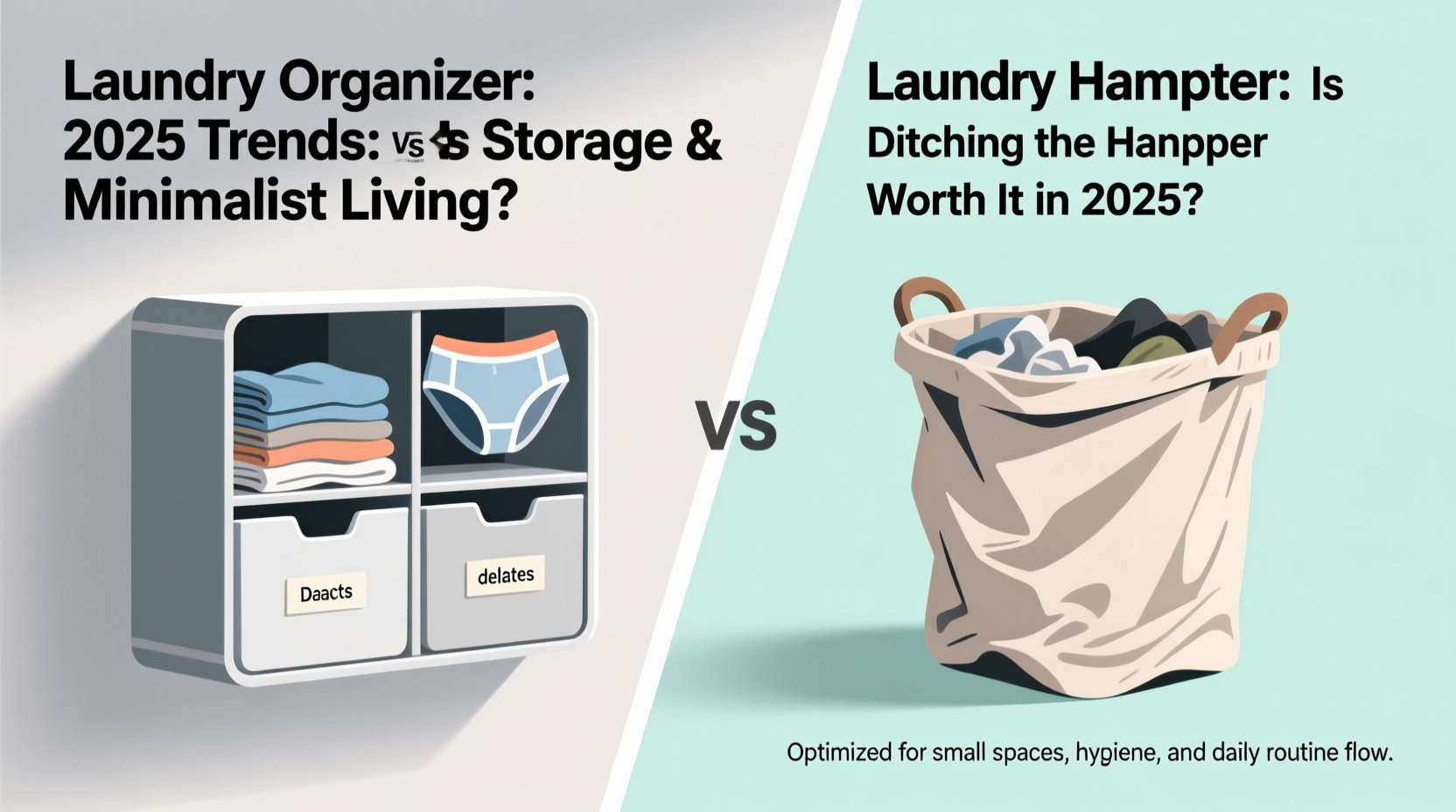
The basic laundry hamper—typically a single-bin basket or fabric sack—has served its purpose well. It collects dirty clothes and keeps them out of sight. However, it does little to support efficient laundry workflows. Once items are tossed in, they mix together, often leading to last-minute sorting, color bleeding, or missed delicates.
In contrast, laundry organizers have evolved from niche products into mainstream solutions. These systems often feature multiple compartments for sorting by color, fabric type, or household member. Some include pull-out trays, built-in detergent caddies, or modular designs that integrate with cabinetry. The shift reflects broader changes in home organization: people now expect their storage to be functional, not just hidden.
“Modern laundry systems aren’t just about containment—they’re about workflow optimization.” — Dana Reyes, Home Organization Consultant
Key Differences: Hamper vs. Organizer
Understanding the practical differences between a hamper and an organizer is crucial when deciding which suits your needs. Below is a comparison of core features:
| Feature | Traditional Hamper | Laundry Organizer |
|---|---|---|
| Sorting Capability | None (single compartment) | Multiple bins for colors, fabrics, or users |
| Ventilation | Limited (can trap moisture and odors) | Often includes breathable mesh or airflow design |
| Mobility | Basic (some have handles) | Frequently equipped with wheels or glide trays |
| Space Integration | Freestanding, takes floor space | Can be wall-mounted, under-counter, or modular |
| Aesthetic Design | Functional but often plain | Designed to blend with decor; modern finishes |
| Price Range | $15–$40 | $70–$300+ |
The data shows a clear trade-off: cost versus capability. While hampers win on affordability and simplicity, organizers provide long-term efficiency gains that can save time and reduce laundry-related stress.
When a Laundry Organizer Makes Sense
Not every household needs a high-end laundry organizer. But certain lifestyles benefit significantly from the upgrade. Consider the following scenarios:
- Families with multiple members: Sorting by person reduces mix-ups and makes assigning chores easier.
- People who wash frequently: Daily or every-other-day laundry routines benefit from pre-sorted bins.
- Small-space dwellers: Wall-mounted or vertical organizers maximize limited square footage.
- Eco-conscious users: Better sorting leads to fewer rewashes due to color runs or shrinkage.
- Homeowners planning resale: Integrated laundry stations add perceived value to utility rooms.
Take the example of the Thompson family in Portland, Oregon. With three kids and two working parents, laundry used to be chaotic. Socks disappeared, whites turned gray, and someone always forgot to separate delicates. After installing a four-compartment rolling organizer—white lights, darks, colors, and delicates—their weekly laundry time dropped from 3 hours to just 90 minutes. “It sounds minor,” says parent Maria Thompson, “but not having to dig through a mountain of clothes every Sunday is life-changing.”
Step-by-Step: Transitioning from Hamper to Organizer
If you're considering making the switch, follow this timeline to ensure a smooth transition:
- Week 1: Assess Your Laundry Workflow
Track how often you wash, what types of clothes you handle, and where bottlenecks occur. - Week 2: Measure Your Space
Determine available floor area, height clearance, and proximity to washer/dryer. - Week 3: Choose Your Organizer Type
Options include:- Rolling multi-bin carts
- Wall-mounted hanging units
- Countertop or cabinet-integrated models
- Week 4: Implement & Train Household Members
Label each compartment clearly and demonstrate proper sorting. Consistency is key. - Month 2: Evaluate & Optimize
Adjust labels, reposition bins, or swap accessories based on real-world use.
Common Misconceptions About Organizers
Despite their advantages, some misconceptions deter people from upgrading:
- “They’re only for large homes.” False. Compact, vertical organizers fit in closets and small bathrooms.
- “They’re too expensive.” While upfront costs are higher, consider the long-term savings in time, energy, and clothing longevity.
- “They’re hard to move.” Many models come with locking casters, allowing easy transport from bedroom to laundry room.
- “I don’t generate enough laundry.” Even light users benefit from designated spaces for delicates or gym clothes.
Moreover, today’s organizers are designed with modularity in mind. You can start with a two-bin unit and expand later, making them scalable for changing needs.
FAQ: Your Top Questions Answered
Can I use a laundry organizer if I live in an apartment?
Absolutely. Many organizers are compact and stackable. Look for slim-profile models under 18 inches wide. Wall-mounted versions are ideal for studios or shared laundry setups.
Do laundry organizers help with pet hair and lint?
Indirectly, yes. By separating heavily shedding items (like pet bedding) into their own bin, you prevent fibers from contaminating other loads, reducing lint transfer and improving wash quality.
Are fabric hampers outdated?
Not entirely. Breathable fabric hampers are still useful in children’s rooms or guest bathrooms where heavy-duty sorting isn’t needed. They’re lightweight and machine-washable—great for temporary or secondary use.
Checklist: Is It Time to Upgrade?
Use this checklist to determine whether switching from a hamper to an organizer aligns with your needs:
- ☑ Do you sort laundry by color or fabric type regularly?
- ☑ Do you struggle with lingering odors in your current hamper?
- ☑ Is your laundry area cramped or disorganized?
- ☑ Do you or a family member have mobility issues? (Wheeled organizers help.)
- ☑ Are you willing to invest $100+ for long-term convenience?
- ☑ Do you do laundry more than twice a week?
If you checked three or more, a laundry organizer is likely a worthwhile investment.
Final Verdict: To Ditch or Not to Ditch?
In 2025, the laundry hamper isn’t obsolete—but it’s increasingly seen as a basic tool in a world that values efficiency and intentionality. For those seeking a smoother, faster, and more sustainable laundry process, upgrading to a dedicated organizer offers tangible benefits. It reduces decision fatigue, prevents laundry mistakes, and integrates seamlessly into modern home ecosystems.
The shift mirrors broader trends: from smart closets to automated cleaning devices, consumers now expect their homes to work smarter. A laundry organizer isn’t just a container—it’s part of a system designed to simplify daily life.




 浙公网安备
33010002000092号
浙公网安备
33010002000092号 浙B2-20120091-4
Comments
No comments yet. Why don't you start the discussion?