
A lawn mower that refuses to start can turn a simple weekend chore into a frustrating ordeal. Whether it’s a push mower, riding model, or cordless unit, mechanical and fuel-related issues are the usual culprits. The good news is that most starting problems stem from a handful of common causes—and many can be resolved in under 30 minutes with basic tools and a methodical approach. This guide walks through real-world diagnostics, practical checks, and fast solutions so you can get back to maintaining a clean-cut yard without calling a technician.
Common Reasons Why Lawn Mowers Won’t Start
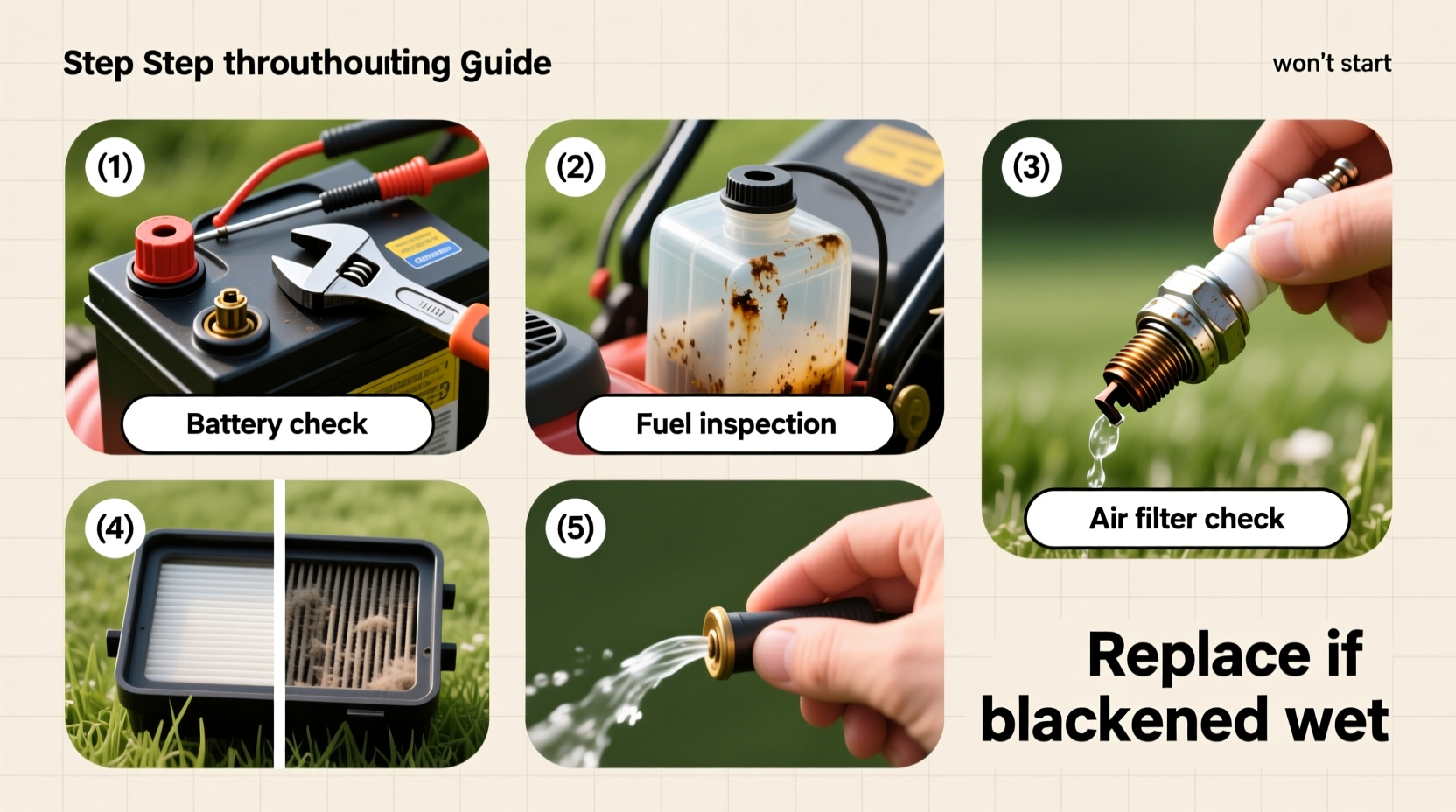
Lawn mowers rely on three core systems to ignite: fuel, spark, and air. If any one of these fails, the engine won’t turn over. Understanding how each system contributes to startup helps narrow down the issue quickly.
- Fuel problems: Old gasoline, clogged fuel lines, or a blocked carburetor prevent proper combustion.
- Ignition failure: A worn spark plug or faulty ignition coil stops the spark needed to ignite fuel.
- Airflow obstruction: A dirty air filter restricts airflow, disrupting the fuel-to-air ratio.
- Starter mechanism issues: Recoil problems, dead batteries (on electric-start models), or damaged pull cords halt ignition attempts.
- Moisture and storage damage: Water in the fuel system or internal corrosion from long-term storage can disable operation.
Step-by-Step Troubleshooting Process
Follow this logical sequence to isolate and fix the root cause efficiently. Work through each step before moving to the next—many issues are interrelated, but solving one often resolves others.
- Check the fuel level and quality. Gas older than 30 days degrades and gums up the carburetor. Drain stale fuel and refill with fresh gasoline mixed with a fuel stabilizer if stored long-term.
- Inspect the spark plug. Remove it using a socket wrench. Look for wetness, carbon buildup, or cracked porcelain. Use a gap tool to verify spacing (typically 0.025–0.030 inches) and replace if corroded or fouled.
- Test for spark. Reconnect the plug to the wire, ground it against the engine block, and pull the starter cord. A visible blue spark indicates a working ignition system; no spark means the plug, wire, or coil may need replacement.
- Examine the air filter. Paper filters should be replaced when dirty; foam types can be cleaned with soapy water, dried, and lightly oiled. A clogged filter chokes the engine.
- Verify oil level. Low or contaminated oil can trigger safety switches on newer mowers, preventing startup. Top off with the correct grade and check for leaks.
- Clear the carburetor. If the engine hasn’t run in months, varnish from old fuel likely clogs the jets. Use a carburetor cleaner spray or remove and soak the unit in solvent.
- Check the starter assembly. For recoil starters, ensure the rope retracts smoothly and the pulley isn’t jammed. On electric-start models, test battery voltage—if below 12.4V, recharge or replace.
Fuel System Checklist: Quick Fixes That Work
The fuel system is responsible for over half of all no-start cases. Use this checklist to address the most frequent failures.
| Component | Issue | Solution |
|---|---|---|
| Gasoline Age | Fuel older than 30 days | Drain tank; refill with fresh gas + stabilizer |
| Fuel Filter | Clogged or discolored | Replace inline filter (if equipped) |
| Carburetor | Blocked jets or float stuck | Clean with aerosol cleaner or rebuild kit |
| Fuel Line | Cracked, kinked, or dry-rotted | Replace rubber tubing |
| Tank Vent | Clogged cap prevents fuel flow | Loosen cap slightly to test; replace if vented |
Real-World Example: Reviving a Stored Mower
Tom, a homeowner in Ohio, couldn’t start his Honda HRX217 after winter storage. He checked the oil (fine), pulled the cord repeatedly (no catch), and noticed a faint gasoline smell—indicating possible flooding. He removed the spark plug, found it wet, and let it dry for 20 minutes while cleaning the air filter. After reinstalling the plug and priming the bulb twice, the mower fired on the third pull. Later, he drained the old fuel and installed a new inline filter, preventing recurrence. This case highlights how multiple minor issues compound—and how addressing each systematically leads to success.
“Over 70% of ‘no-start’ service calls we receive are due to bad fuel or neglected spark plugs. Most owners don’t realize how quickly ethanol-blended gas breaks down.” — Mark Reynolds, Small Engine Repair Technician, 15 years experience
Essential Maintenance Tips to Prevent Future Failures
Prevention is faster and cheaper than repair. Incorporate these habits into your routine to keep your mower reliable year after year.
- Run the engine dry before long-term storage or use a fuel stabilizer.
- Replace the spark plug annually, even if it looks functional.
- Clean or replace the air filter every 25 hours of operation or once per season.
- Use ethanol-free gasoline (E0) when available—especially for small engines.
- Store the mower in a covered, dry area to minimize moisture exposure.
- Change the oil at least once per season or every 50 hours.
Frequently Asked Questions
Why does my mower only start when I use starter fluid?
If your mower runs briefly with starter fluid but dies immediately, the issue is almost certainly fuel delivery—usually a clogged carburetor or failing fuel pump. Starter fluid bypasses the normal fuel path, confirming the engine can ignite but isn’t receiving gasoline. Clean or rebuild the carburetor as the next step.
My electric-start mower clicks but doesn’t turn over. What’s wrong?
A single click usually points to a weak battery, poor connection, or failed starter solenoid. Check battery terminals for corrosion, tighten connections, and test voltage. If the battery reads above 12.6V but still clicks, the solenoid or starter motor may need replacement.
Can a dirty carburetor cause a mower not to start?
Absolutely. Over time, varnish from degraded fuel coats the carburetor’s tiny passages, blocking fuel flow. Even minor clogs prevent the engine from reaching the right fuel-air mix. Carburetor cleaner sprays work for light buildup, but heavily gummed units require disassembly and soaking.
Conclusion: Get Cutting Again With Confidence
A lawn mower that won’t start is rarely a lost cause. Most problems stem from overlooked maintenance or seasonal neglect—issues within reach of any DIYer. By focusing on fuel freshness, spark integrity, and airflow, you can diagnose and resolve the majority of no-start scenarios in less time than it takes to schedule a repair appointment. Keep spare spark plugs and fuel filters on hand, use stabilized gasoline, and perform end-of-season shutdowns properly. These small efforts pay off with reliable performance whenever you need it.




 浙公网安备
33010002000092号
浙公网安备
33010002000092号 浙B2-20120091-4
Comments
No comments yet. Why don't you start the discussion?