
Fragrance is more than an accessory—it’s an extension of identity. While many rely on off-the-shelf perfumes, a growing number of scent enthusiasts are turning to fragrance oils to craft personalized aromas that reflect their mood, style, and even the season. Unlike alcohol-based perfumes that evaporate quickly, fragrance oils offer deeper skin adherence and longer-lasting performance. But true mastery lies not just in choosing a single oil, but in layering them intentionally to create a complex, evolving scent profile that endures from morning to night.
Layering fragrance oils isn’t random mixing; it’s an art rooted in understanding scent families, volatility, and skin chemistry. When done well, it results in a signature aroma that feels uniquely yours—one that lingers through work meetings, evening outings, and everything in between. This guide breaks down the science and strategy behind effective layering, offering practical steps to design long-lasting custom scents you’ll want to wear every day.
Understanding Fragrance Oil Structure and Longevity
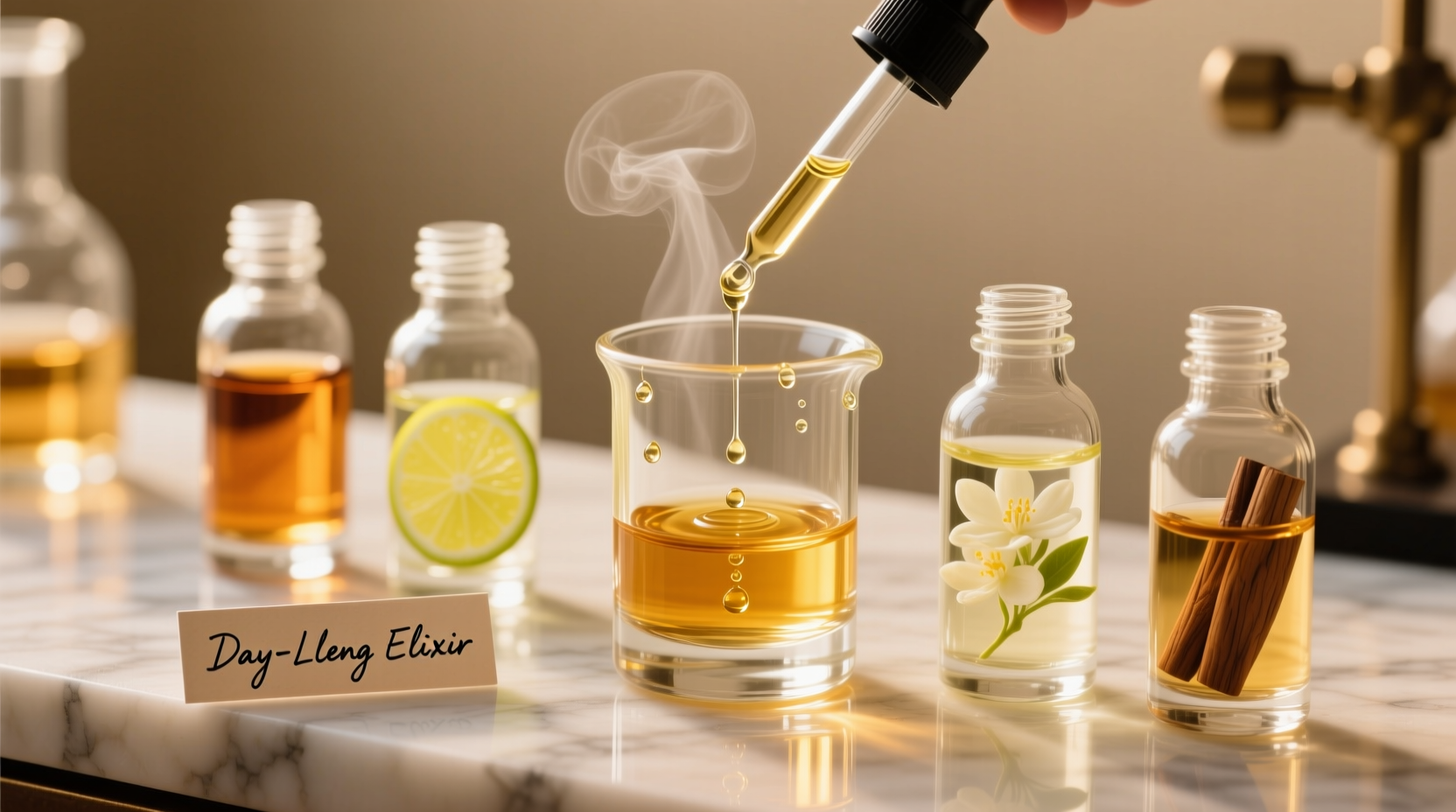
Fragrance oils are typically composed of synthetic or nature-identical aroma compounds dissolved in a carrier oil like jojoba or fractionated coconut oil. Because they lack alcohol, they don’t diffuse as rapidly into the air, instead clinging closely to the skin and releasing scent gradually. This slow release is key to longevity—but only if the composition is balanced.
Like fine perfumes, layered fragrances benefit from a top-middle-base structure:
- Top notes: Light, volatile molecules that hit the nose first—citrus, mint, green apple. They last 5–15 minutes.
- Middle (heart) notes: The core of the fragrance—floral, spicy, or fruity accords. These emerge after the top fades and can last 2–4 hours.
- Base notes: Deep, rich, and long-lasting—vanilla, sandalwood, musk, amber. These anchor the scent and can linger for 8+ hours.
When layering, your goal is to build this pyramid intentionally. A common mistake is overloading on top notes, resulting in a strong initial burst that vanishes within an hour. Instead, prioritize base-heavy oils as your foundation and use lighter notes sparingly for character.
The Step-by-Step Guide to Layering Fragrance Oils
Creating a lasting custom scent requires more than intuition. Follow this structured approach to ensure balance, depth, and endurance.
- Choose your base note (30% of blend): Select one deep, long-lasting oil such as patchouli, vetiver, dark vanilla, or oud. Apply a small amount to wrists, inner elbows, and neck. Let it absorb for 2–3 minutes.
- Add your heart note (50% of blend): Introduce a complementary middle-layer oil—jasmine, cinnamon, rose, or fig. Dab lightly over the same pulse points. Avoid rubbing, which can break down aromatic molecules.
- Crown with a top note (20% of blend): Finish with a bright, fleeting accent—bergamot, lemon, or eucalyptus. Use sparingly; too much will overpower and fade unevenly.
- Wait and assess: Allow 10 minutes for the oils to meld with your skin. Smell naturally—don’t sniff your wrist immediately after application, as alcohol-free oils need time to bloom.
- Adjust and reapply if needed: If the scent feels flat, add a touch more heart note. If it’s too sharp, reinforce the base. Never layer additional top notes midday unless refreshing subtly.
This ratio—30% base, 50% heart, 20% top—is a reliable starting point. As you gain experience, adjust based on personal preference and environmental factors like humidity or clothing fabric.
Do’s and Don’ts of Fragrance Layering
To maximize both scent quality and staying power, follow these guidelines backed by perfumers and skincare chemists.
| Do’s | Don’ts |
|---|---|
| Test blends on a cotton pad before applying to skin | Mix more than three oils at once—complexity leads to muddiness |
| Use unscented moisturizer as a scent primer | Apply oils to dry, flaky skin—hydration affects diffusion |
| Store oils in dark glass bottles away from sunlight | Leave bottles open—oxidation degrades fragrance integrity |
| Reapply base notes during the day if needed | Rub wrists together after application—shearing breaks scent molecules |
| Match scent weight to occasion (lighter for day, heavier for night) | Layer conflicting families like gourmand and aquatic without testing |
Consistency in application technique matters as much as the oils themselves. For example, applying to moisturized skin increases longevity by up to 40%, according to dermatological studies on transdermal absorption.
Expert Insight: The Perfumer’s Perspective
Professional perfumers spend years mastering olfactory balance. Their principles apply equally to DIY fragrance layering.
“Most people think longevity comes from strength, but it comes from structure. A single heavy base note can carry a delicate floral for hours. It’s not about quantity—it’s about harmony.” — Lena Moreau, Master Perfumer & Founder of Botanica Scent Studio
Moreau emphasizes the importance of “scent memory”—how a fragrance evolves over time. A well-layered oil should tell a story: crisp and inviting at first, then warm and intimate as the day progresses. She advises beginners to start with pre-blended duos (like sandalwood + orange) before experimenting with triads.
Another pro tip: layer across products. Use a scented body oil as your base, then add an oil-based roll-on perfume for the heart, and finish with a matching solid perfume for the top. This multi-product approach creates dimensional sillage—the trail of scent left behind as you move.
Real Example: Building a Signature Scent for Work and Evening
Consider Maya, a marketing executive who wanted a scent that transitioned seamlessly from her 9-to-5 office environment to dinner dates. She disliked commercial perfumes that either faded too fast or were too strong for close quarters.
Her solution:
- Base: Cedarwood oil – earthy, professional, long-lasting
- Heart: Lavender absolute – calming, slightly herbal, universally appealing
- Top: Pink grapefruit – uplifting and fresh without being sweet
She applied a pea-sized amount of cedarwood oil to her neck and wrists after showering and moisturizing. After it settled, she added a drop of lavender, followed by half a drop of grapefruit. The result? A clean, grounded aroma with a citrus spark that lasted 10 hours. Colleagues commented on how “put-together” she smelled, and she never needed a midday reapplication.
Maya later created a second blend for weekends—vanilla bourbon base, ylang-ylang heart, and blood orange top—which felt richer and more sensual. By rotating blends, she avoided scent fatigue and kept her fragrance experience dynamic.
Essential Checklist for Successful Layering
Before you begin blending, run through this checklist to ensure optimal results:
- ✅ Skin is clean and moisturized (preferably with unscented lotion or oil)
- ✅ Oils are stored properly—cool, dark place, tightly capped
- ✅ You’ve tested the combination on a cotton swab first
- ✅ You’re using no more than three complementary notes
- ✅ Pulse points are targeted: wrists, neck, behind ears, inner elbows
- ✅ You’re applying in order: base → heart → top
- ✅ You’re allowing time for the scent to develop before adjusting
Skipping even one step—like applying oils to dry skin—can reduce longevity by half. Preparation is non-negotiable for consistent results.
Frequently Asked Questions
Can I layer fragrance oils with regular perfume?
Yes, but carefully. Alcohol-based perfumes evaporate faster, so apply the fragrance oil first as your base. Wait 2–3 minutes, then spritz perfume lightly. Avoid spraying directly onto oiled skin, as alcohol can cause separation or irritation.
Why does my layered scent disappear after a few hours?
Likely causes include: using too many top notes, applying to dry skin, or selecting oils with low fixative properties. Reinforce your base note and consider adding a natural fixative like benzoin resin oil, which slows evaporation.
How do I avoid overwhelming people around me?
Fragrance oils are intimate—meant to be smelled within a foot or two. Use one drop per pulse point. If others comment on your scent from across a room, you’re using too much. Remember: subtlety signals confidence.
Final Thoughts: Make Your Scent Last—and Mean Something
Layering fragrance oils is more than a beauty hack—it’s a form of self-expression. Each blend tells a story about where you’ve been, how you feel, and how you want to be perceived. With the right structure, technique, and attention to detail, you can create a custom scent that doesn’t just last all day, but evolves with you throughout it.
The most memorable fragrances aren’t the loudest—they’re the ones that linger in memory, recognized by those closest to you. Whether it’s the warmth of vanilla and sandalwood that greets a partner at day’s end, or the crisp citrus-woody blend that fuels your morning focus, your layered scent becomes part of your presence.




 浙公网安备
33010002000092号
浙公网安备
33010002000092号 浙B2-20120091-4
Comments
No comments yet. Why don't you start the discussion?