
In a world where fashion trends cycle faster than seasonal weather, the debate between leather bucket bags and fabric shoulder bags persists. One carries an aura of timeless luxury; the other promises versatility and ease. But beyond aesthetics and social media appeal, which truly holds up in daily life? Is the leather bucket bag’s status as a wardrobe staple justified, or does the humble fabric shoulder bag offer smarter functionality for modern living?
This isn’t just about personal taste—it’s about longevity, cost per wear, maintenance effort, environmental impact, and how each bag fits into your actual lifestyle. Whether you're commuting, traveling, or navigating weekend errands, understanding the strengths and weaknesses of both options can help you make a decision that balances style with substance.
Material Matters: Leather vs Fabric
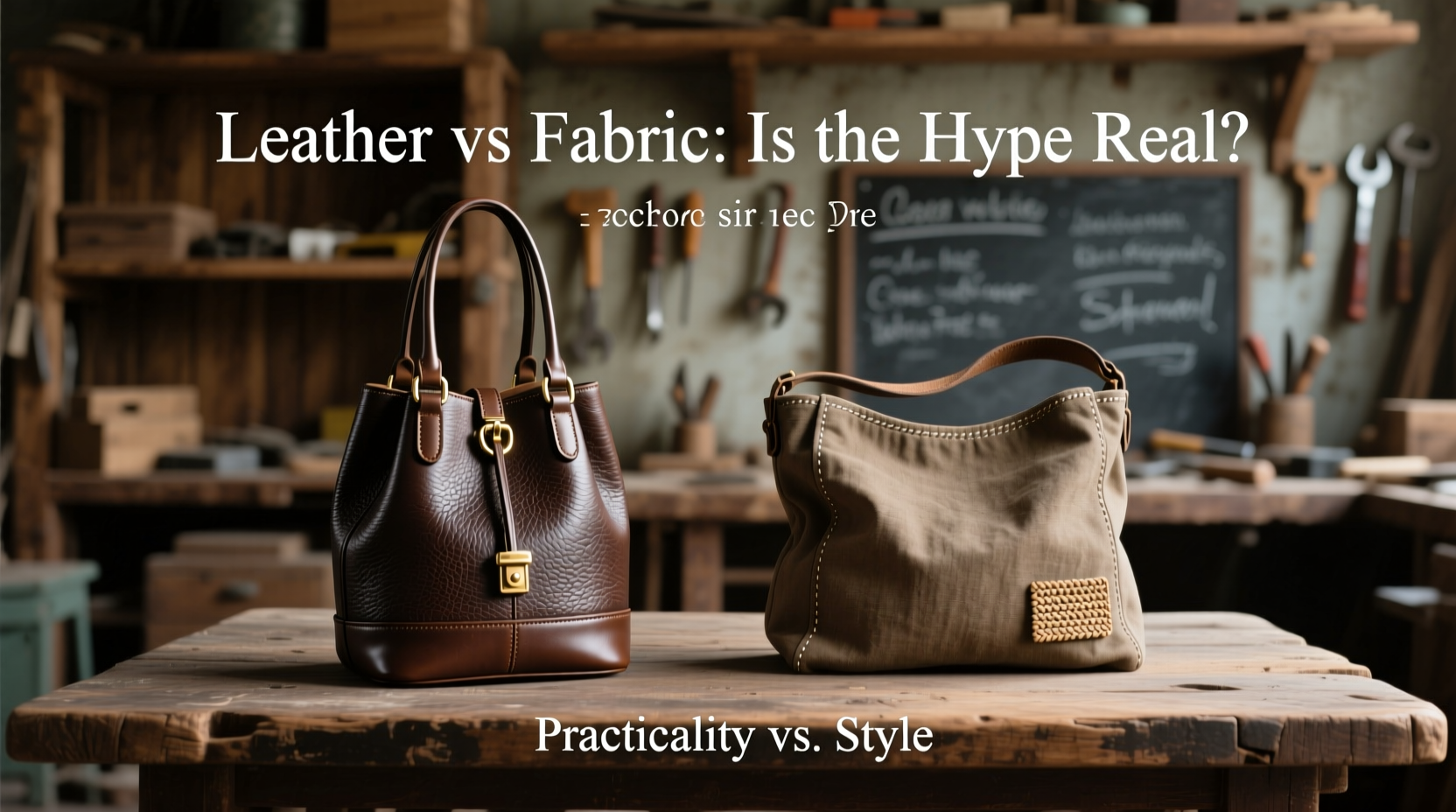
The core difference lies in the materials. Leather—typically full-grain, top-grain, or genuine—is derived from animal hides, prized for its durability, rich texture, and ability to age gracefully. Over time, quality leather develops a patina, gaining character rather than showing wear as damage.
Fabric shoulder bags, on the other hand, are commonly made from cotton canvas, nylon, polyester, or blends. These materials are lightweight, often water-resistant, and easier to clean. They’re also generally more sustainable when sourced responsibly, especially if recycled fibers are used.
While leather exudes sophistication, fabric offers adaptability. A waxed canvas tote can withstand rain and rough handling just as well as a $500 leather satchel—but without the same financial or ethical weight.
Practicality Face-Off: Daily Use Comparison
Let’s break down how each bag performs in real-life scenarios.
| Factor | Leather Bucket Bag | Fabric Shoulder Bag |
|---|---|---|
| Durability | High (with care); resists abrasion but can dry out or crack | Moderate to high; synthetic fabrics resist tearing and moisture |
| Weight | Heavier, especially when full | Lightweight, even when packed |
| Cleaning & Maintenance | Requires conditioning, stain wipes, dust bags | Often machine-washable or wipe-clean |
| Weather Resistance | Poor unless treated; absorbs moisture | Good; many are water-repellent by design |
| Eco Impact | Higher footprint due to tanning process | Lower if using recycled or organic materials |
| Cost | $200–$800+ for quality pieces | $30–$150 for durable options |
The data shows a clear trade-off: leather wins in perceived value and long-term aging potential, while fabric excels in low-maintenance usability and affordability.
Style & Longevity: Hype vs. Timelessness
Fashion influencers and editorial spreads often favor leather bucket bags. Their structured silhouette, soft sheen, and tactile richness photograph beautifully. Brands like The Row, Mansur Gavriel, and Staud have elevated the bucket form into minimalist icons.
But trends shift. What feels “must-have” today may look dated in five years. Fabric shoulder bags, particularly in neutral tones or classic patterns (like navy stripes or olive green), often transcend seasons. Think of the L.L.Bean Boat and Tote or a waxed Barbour bag—functional designs that endure because they prioritize utility over fleeting fashion.
“Trends fade, but good design lasts. A bag should serve your life, not dictate it.” — Naomi Patel, Sustainable Fashion Consultant
Leather ages well if cared for, developing a unique patina. However, poor-quality leather (bonded or corrected grain) can peel or stiffen prematurely. Meanwhile, fabric bags may lose shape over time, but many come with internal stiffening or removable inserts to preserve structure.
Real-Life Scenario: Commuting in the City
Consider Maya, a graphic designer living in Seattle. She walks 20 minutes to work daily, often in drizzle. Her leather bucket bag looked pristine for three months—until a sudden downpour left water spots and warping. She switched to a recycled nylon shoulder bag with padded laptop sleeve and zippered compartments. It’s lighter, dries quickly, and survived six months of rain, coffee spills, and subway crowds with minimal wear.
Was the leather bag impractical? Not inherently—but mismatched to her environment. For Maya, function outweighed prestige. Her fabric bag now costs less per use and causes zero stress when set on wet benches.
This scenario reflects a broader truth: the \"best\" bag depends entirely on context. A leather bucket might be perfect for brunches and gallery visits. But for active lifestyles, fabric shoulder bags deliver consistent performance without demanding constant vigilance.
Maintenance Realities: What You Won’t See on Instagram
Behind every glossy photo of a perfectly aged leather bag is routine upkeep: monthly conditioning, storage in breathable cloth, protection from sunlight, and immediate blotting of spills. Skip these steps, and even premium leather fades, cracks, or molds.
Fabric bags, meanwhile, can often be tossed in the washing machine (check labels first). Spot cleaning with mild soap and water usually suffices. No special conditioners, no seasonal rituals. This simplicity makes fabric ideal for parents, travelers, or anyone who values efficiency.
Step-by-Step Care Guide
- Leather Bucket Bag: Wipe surface monthly with a damp cloth; apply leather conditioner every 3 months; store in a dust bag away from heat.
- Fabric Shoulder Bag: Empty contents weekly; spot clean stains immediately; machine wash (if allowed) every 2–3 months; air dry completely before reuse.
Environmental & Ethical Considerations
Leather production is resource-intensive. Tanning—especially chrome tanning—releases pollutants and consumes large amounts of water. While some brands use vegetable-tanned leather (more eco-friendly), it still involves animal agriculture, raising ethical concerns for many consumers.
Fabric alternatives, particularly those made from recycled PET bottles or organic cotton, have a lower carbon footprint. Innovations like mushroom leather (mycelium) or cork offer sustainable middle grounds, though they remain niche and costly.
If sustainability is a priority, fabric generally aligns better with eco-conscious values—especially when durability is built into the design.
FAQ
Can I use a fabric shoulder bag for formal occasions?
Yes—many high-end brands now offer sleek fabric designs in minimalist silhouettes. Look for structured shapes, refined hardware, and neutral palettes to elevate casual materials.
Do leather bucket bags hold their value?
Only select designer models (e.g., Celine, Loewe) retain resale value. Most contemporary leather bags depreciate like electronics. Don’t buy leather expecting investment returns.
Which bag type is better for traveling?
Fabric wins for travel. It’s lighter, easier to clean, and more adaptable to varying climates. Plus, losing or damaging a $50 fabric bag hurts less than ruining a $600 leather piece.
Final Verdict: Practicality Over Hype
The hype around leather bucket bags is real—but so are their limitations. They’re beautiful, yes. Coveted, certainly. But calling them “practical” for everyday use stretches credibility unless your days involve curated outings and climate-controlled environments.
Fabric shoulder bags, often dismissed as basic or utilitarian, quietly outperform in resilience, affordability, and adaptability. They don’t demand perfection from you, and they forgive mistakes. That’s not boring—it’s intelligent design.
Ultimately, choosing between the two isn’t about picking a side. It’s about matching your bag to your life. If you value ease, ethics, and endurance, fabric deserves serious consideration. If craftsmanship, texture, and tradition matter most, invest in quality leather—and commit to its care.




 浙公网安备
33010002000092号
浙公网安备
33010002000092号 浙B2-20120091-4
Comments
No comments yet. Why don't you start the discussion?