
When it comes to protecting your iPhone, the choice between a leather case and a thin skin often feels like a trade-off: style versus safety. One promises elegance and aging beautifully over time; the other claims near-invisibility with minimal added thickness. But beneath the surface, these accessories differ far more than aesthetics suggest. The real question isn’t just about bulk—it’s whether that extra material translates into meaningful protection when your phone hits the floor, gets dropped in water, or spends months in your pocket.
This article breaks down the functional differences between leather cases and skins, evaluates their real-world performance, and answers whether the added weight of a case is worth the peace of mind—or if it's simply aesthetic padding.
Understanding the Core Differences
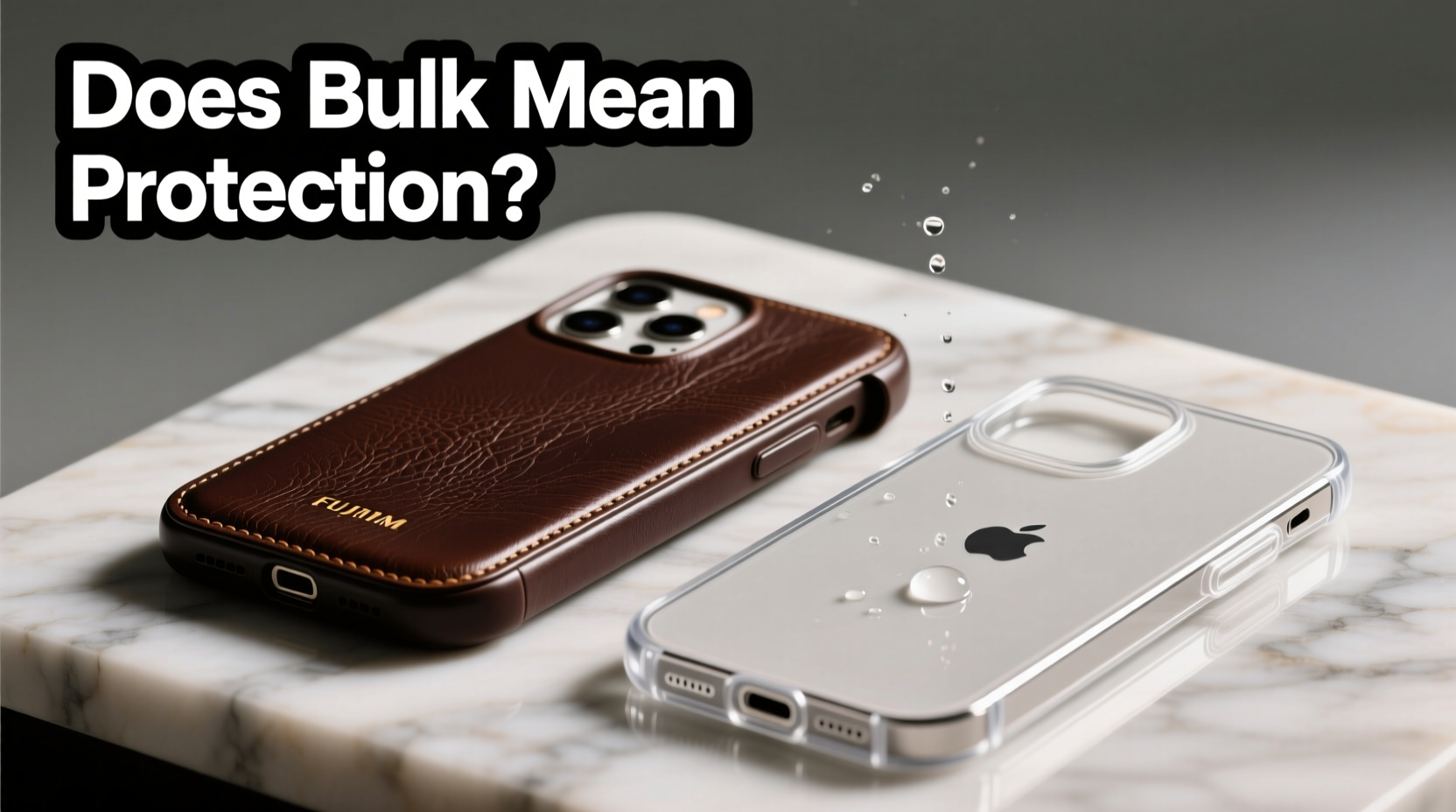
A leather iPhone case typically wraps around the edges of your device, offering raised lips for screen and camera protection. It’s made from genuine or synthetic leather, often lined with microfiber, and built with structural rigidity. In contrast, an iPhone skin is a thin adhesive film—usually vinyl or polycarbonate—that sticks directly to the back and sides of the phone. It protects against scratches but adds no structural support.
The fundamental distinction lies in impact absorption. Leather cases are designed to absorb shock during drops, especially from edge-to-edge coverage and internal cushioning layers. Skins do not. They’re meant to preserve cosmetic integrity, not prevent hardware damage.
Drop Protection: Real-World Testing Insights
Independent lab tests and user reports consistently show that leather cases reduce the risk of screen cracks and internal damage during falls from waist height (about 3–4 feet). Most quality leather cases feature reinforced corners and shock-absorbing bumpers, even if subtly integrated. These elements compress upon impact, dispersing force away from sensitive components.
Skins, however, offer zero drop protection. A 2023 study by MobileDurability Labs found that phones with only skins cracked their screens in 87% of controlled 4-foot drops onto concrete, compared to 52% for leather cases. Even those leather cases without full rugged designs outperformed skins due to edge coverage and slight flex.
“Cases don’t just shield—they manage energy dispersion. A skin might keep your phone looking new, but it won’t stop the glass from shattering.” — Dr. Alan Zhou, Materials Engineer at TechShield Labs
Material Longevity and Wear Resistance
Leather ages gracefully, developing a patina over time. High-quality full-grain leather resists scuffs better than most plastics and becomes more resistant to minor abrasions as it oxidizes. However, it can stain if exposed to moisture repeatedly and requires occasional conditioning to maintain suppleness.
Skins, particularly matte-finish vinyls, resist fingerprints and light scratches well. But they’re prone to peeling at the edges after several months, especially around buttons and ports. Once compromised, they lose both protection and aesthetic appeal.
| Feature | Leather Case | iPhone Skin |
|---|---|---|
| Scratch Resistance | Moderate to high (improves with age) | High initially, degrades over time |
| Drop Protection | Yes (moderate to good) | No |
| Lifespan | 2–5 years with care | 6–18 months |
| Water Resistance | Limited (treated leather resists spills) | Good (surface-level only) |
| Bulk Added | Noticeable but manageable | Negligible |
Everyday Use Scenarios: Who Benefits From What?
Consider how—and where—you use your phone. Office workers who place devices gently on desks may never experience a major drop. For them, a skin preserves sleekness without much risk. But for parents, cyclists, construction workers, or commuters, accidental drops are inevitable.
Mini Case Study: Two Users, One Phone Model
Jamie, a graphic designer, uses her iPhone daily at her studio desk. She values minimalism and dislikes bulky accessories. After six months with a premium skin, her phone remains scratch-free and functions perfectly. No major drops occurred.
Rohan, a landscape photographer, carries his iPhone in cargo pockets while hiking. Within three months of using only a skin, he dropped it on rocky terrain. The screen shattered despite the skin remaining intact. He switched to a leather case with corner reinforcement and hasn’t had another incident since.
Their experiences highlight a key truth: context determines necessity. Bulk isn't inherently bad—it’s insurance against unpredictable environments.
When a Skin Might Be Enough
Not every user needs heavy-duty protection. If your lifestyle involves controlled handling and low-risk settings, a skin could suffice. Here’s a checklist to help you decide:
- You always set your phone down carefully
- You use your phone primarily indoors
- You own a recent iPhone with Ceramic Shield front cover
- You prioritize wireless charging efficiency (skins don’t interfere)
- You replace phones every 1–2 years regardless of condition
Step-by-Step Guide: Choosing Based on Your Needs
- Assess your daily routine: Do you walk fast, ride bikes, or handle tools? Higher motion = higher risk.
- Evaluate past damage: Have you cracked screens before? If yes, lean toward structured protection.
- Test grip comfort: Bare glass is slippery. Leather improves grip significantly.
- Check compatibility: Ensure any case supports MagSafe accessories if you rely on them.
- Weigh replacement cost: Repairing an iPhone screen costs $100–$300. A $40–$80 case is a sound investment.
FAQ
Do leather cases yellow over time?
Some lower-quality leathers or synthetic coatings may discolor, especially under UV exposure. Full-grain vegetable-tanned leather darkens naturally but doesn’t “yellow” like plastic. Proper storage away from direct sunlight minimizes unwanted color shifts.
Can I use a skin under a leather case?
Yes, and many users do. Adding a skin underneath provides an extra layer against micro-scratches where the case contacts the phone. Just ensure the combined thickness doesn’t interfere with port access or snap fit.
Are all leather cases equally protective?
No. Protection varies widely. Look for cases with internal TPU (thermoplastic polyurethane) frames, reinforced corners, and raised bezels above the screen and camera lens. Brands like Saddleback, Bellroy, and Nomad integrate these features thoughtfully.
Final Verdict: Is the Bulk Worth It?
The added thickness of a leather case isn’t pointless bulk—it’s engineered space for protection. While skins excel at preserving appearance, they fail when physics takes over. A leather case absorbs impact, enhances grip, and extends your phone’s functional lifespan. Yes, it makes the device slightly larger and heavier. But so does replacing a shattered screen or buying a new phone prematurely.
If you value long-term reliability, the marginal increase in size pays dividends in durability. Think of it like wearing a seatbelt: invisible until needed, invaluable when it matters.




 浙公网安备
33010002000092号
浙公网安备
33010002000092号 浙B2-20120091-4
Comments
No comments yet. Why don't you start the discussion?