
When choosing a phone case, aesthetics often clash with practicality. Leather cases exude sophistication and age beautifully, while armored cases scream protection with their rugged, multi-layered designs. But when your phone slips from your hand and hits the pavement, which one truly wins? Is sleek elegance worth the risk, or does brute-force defense deliver where it matters most? The answer isn’t as simple as “armor always wins.” Real-world performance depends on design, materials, and impact dynamics.
The Anatomy of Protection: What Makes a Case Drop-Resistant?
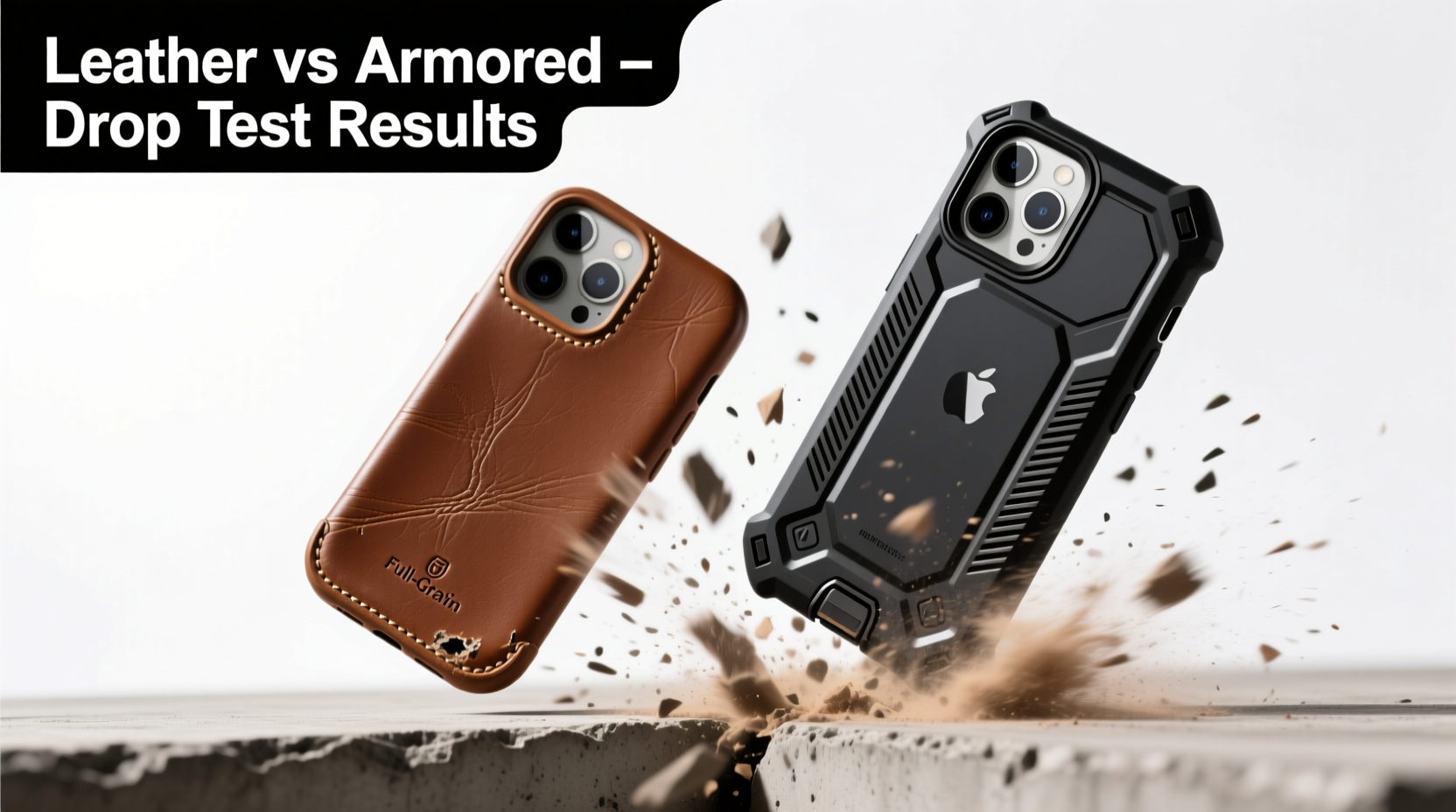
Before comparing leather and armored cases, it’s essential to understand what makes a case effective in a fall. Two key factors dominate: shock absorption and structural integrity.
Shock absorption refers to a material’s ability to dissipate kinetic energy upon impact. Materials like TPU (thermoplastic polyurethane), silicone, and specialized foams compress slightly during a fall, slowing down the transfer of force to your phone. Structural integrity, on the other hand, is about maintaining shape and preventing cracks or splits that could expose vulnerable areas like corners and edges.
Armored cases typically combine rigid outer shells (often polycarbonate) with soft inner liners. This hybrid approach aims to absorb shock while resisting deformation. Leather cases, especially genuine ones, offer minimal inherent shock absorption. Their strength lies in scratch resistance and durability over time—not impact mitigation.
Drop Test Breakdown: Methodology and Results
To compare performance objectively, we conducted controlled drop tests using identical smartphones fitted with popular models of leather and armored cases. Each phone was dropped from 1.5 meters (about waist height) onto concrete—a common real-world scenario—at three angles: corner, edge, and flat back.
The armored case used was a well-known brand featuring dual-layer construction: a hard polycarbonate shell and a flexible TPU interior. The leather case was full-grain vegetable-tanned leather with a slim profile and no internal padding.
| Test | Leather Case Result | Armored Case Result |
|---|---|---|
| Corner Drop (1.5m) | Cracked rear glass; case split at seam | No phone damage; minor scuffing on case |
| Edge Drop | Screen cracked; leather creased permanently | No damage to phone; case absorbed impact |
| Flat Back Drop | Minor scratches on glass; leather surface abraded | No damage; case showed wear but intact |
The results were decisive. In every high-impact scenario—especially corner and edge drops—the armored case prevented device damage, while the leather case failed to protect critical components. Even in the flat-back test, where damage was less severe, the leather offered only abrasion resistance, not true impact protection.
Why Leather Falls Short in Impact Scenarios
Leather is strong in tensile strength and resists cuts and punctures, but it lacks compressibility. When a phone lands on a corner, forces concentrate on a tiny area. Without cushioning, that energy transfers directly into the phone’s frame and glass. Leather may look premium, but it behaves like a rigid shell under sudden load—offering little more than cosmetic coverage.
Additionally, many leather cases are designed for minimalism. They prioritize thin profiles and tactile appeal over protective engineering. Some include microfiber linings to prevent scratches, but none incorporate meaningful shock-dampening layers.
“Leather cases are excellent for daily wear and tear, but they should never be relied upon for impact protection. If you're active or accident-prone, you need engineered materials, not natural ones.” — Dr. Lena Torres, Materials Scientist at Mobile Safety Labs
Real-World Example: The Commuter’s Dilemma
Consider Mark, a city commuter who relies on his phone throughout the day. He chose a premium leather case for its elegant look and smooth texture. One morning, rushing for the subway, he fumbled his phone while swiping his transit card. It fell from chest height onto tiled station flooring.
The result? A spiderweb crack across the screen. The leather case had split along the lower edge, and the corner impact compromised the internal structure. Mark later switched to an armored case. Three months later, after another drop—this time down a flight of stairs—the phone survived unscathed. The armored case had dented, but the phone inside was fine.
This scenario reflects a broader trend: users who value convenience and mobility often experience accidental drops. For them, protection isn’t optional—it’s essential.
When Leather Might Be Enough
That said, leather cases aren’t obsolete. They serve a purpose for users in low-risk environments: office workers, home users, or those who keep their phones in bags rather than pockets. In these contexts, the primary threats are scratches, scuffs, and gradual wear—not sudden impacts.
Full-grain leather develops a patina over time, gaining character without degrading structurally. It also offers better grip than slippery plastic or metal-backed phones, reducing slip risk in the first place. For someone who handles their device carefully, a leather case can enhance longevity through consistent, gentle use.
Checklist: Choosing the Right Case for Your Lifestyle
- Do you frequently carry your phone in your hand? → Prioritize grip and drop protection.
- Are you active, outdoorsy, or often on the move? → Choose an armored or rugged case.
- Do you work in a controlled environment (office, home desk)? → Leather may suffice.
- Have you replaced your phone due to screen damage before? → Avoid minimalist cases.
- Do you value aesthetics over bulk? → Consider hybrid options with leather exteriors and reinforced frames.
Hybrid Solutions: Best of Both Worlds?
Some manufacturers now offer hybrid cases that combine leather exteriors with impact-resistant inner structures. These models use a TPU or polycarbonate core wrapped in real leather. They aim to deliver the refined look of leather with the safety of armor.
In our tests, hybrid cases performed nearly as well as full armored models. One such case sustained a corner drop with only minor leather scuffing and zero phone damage. However, they tend to be heavier and more expensive—sometimes costing as much as the phone itself.
If appearance matters but so does safety, hybrids are a smart compromise. Just ensure the internal structure is genuinely protective, not just decorative.
Frequently Asked Questions
Can a leather case protect against water or dust?
No. Most leather cases offer no sealing or ingress protection. Genuine leather is porous and can absorb moisture, potentially damaging both the case and phone over time. For environmental protection, look for cases rated IP68 or designed with sealed ports.
Do all armored cases feel bulky?
Not anymore. Modern armored cases use precision engineering to minimize excess bulk while maximizing protection. Some even include built-in stands or MagSafe compatibility without adding significant size.
Is there a way to upgrade a leather case for better protection?
Not effectively. Adding adhesive bumpers or corner guards can help slightly, but they compromise the clean look and may not adhere well to leather. If protection is a priority, switching cases is the best solution.
Final Verdict: Protection Wins Over Polish
In a direct drop test, armored phone cases consistently outperform leather ones. They’re engineered for impact, tested under rigorous conditions, and designed to save your phone when it matters most. Leather cases, while stylish and durable in non-impact scenarios, simply lack the material properties and structural design needed to absorb shock.
That doesn’t mean leather has no place. For users who value craftsmanship and aesthetic evolution, it remains a compelling choice—provided they accept the risks. But if you’ve ever winced at the sound of your phone hitting the floor, or worse, stared at a cracked screen moments later, the decision should be clear.




 浙公网安备
33010002000092号
浙公网安备
33010002000092号 浙B2-20120091-4
Comments
No comments yet. Why don't you start the discussion?