
When it comes to decorating a Christmas tree, ornaments are more than just accessories—they’re expressions of tradition, style, and sentiment. Among the most debated choices are leather and fabric ornaments. Both bring unique textures and charm, but they differ significantly in longevity, appearance, maintenance, and seasonal impact. Choosing between them isn’t just about aesthetics; it’s about long-term value and how well they age with use.
This guide dives deep into the practical realities of both materials, helping you make an informed decision based on durability, visual appeal, and care requirements—so your tree looks stunning year after year.
Durability: How Long Do Leather and Fabric Ornaments Really Last?
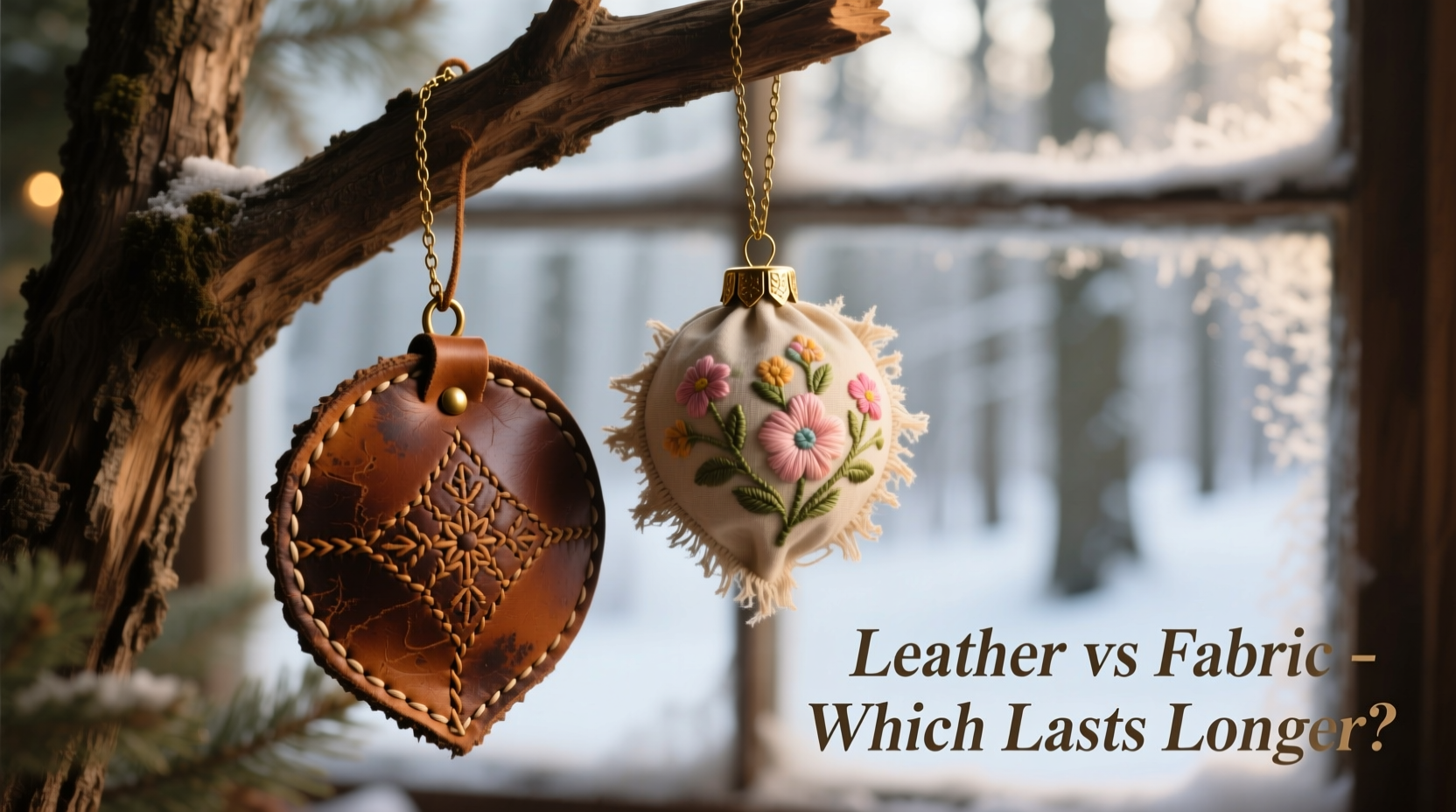
Durability is often the deciding factor when investing in holiday decor. A high-quality ornament should survive multiple seasons without fraying, fading, or cracking.
Leather ornaments, especially those made from genuine or full-grain leather, are inherently durable. Leather resists tearing, maintains shape under temperature changes, and ages gracefully. With proper care, leather can last decades. It’s naturally resistant to moisture and mildew—critical for storage between seasons—and doesn’t degrade easily when exposed to indoor heat or artificial lighting.
In contrast, fabric ornaments vary widely in longevity depending on the textile used. Cotton, felt, and velvet may look rich initially, but over time they are prone to pilling, color fading, and fiber breakdown. Delicate trims like lace or embroidery can unravel after repeated handling. While some modern fabrics are treated for durability, most remain more vulnerable to wear than leather.
“Leather’s tensile strength and resistance to environmental stress give it a clear edge in long-term ornament use.” — Dr. Lena Peterson, Textile & Material Conservation Specialist
Aesthetic Appeal: Which Looks Better on Your Tree?
Appearance plays a central role in holiday decor. The right ornament enhances the theme, color palette, and emotional warmth of your tree.
Leather ornaments offer a rustic, timeless elegance. Their natural grain and subtle sheen add depth and sophistication. They work exceptionally well in minimalist, woodland, or heritage-themed trees. Over time, leather develops a patina—a soft luster that adds character without diminishing quality. Available in dyed finishes or natural tones, leather blends seamlessly with metallics, wood, and matte finishes.
Fabric ornaments, on the other hand, provide unmatched versatility in color, pattern, and texture. From glittery tinsel-trimmed balls to hand-stitched stars, fabric allows for bold designs and nostalgic charm. Felted wool ornaments, popular in Scandinavian styles, evoke coziness and tradition. However, fabric can appear flat under bright lights and may show dust or static more readily than leather.
Ultimately, the “better-looking” option depends on your tree’s theme. For a curated, heirloom feel, leather stands out. For vibrant, playful, or handmade aesthetics, fabric shines.
Comparison Table: Leather vs Fabric Ornaments
| Feature | Leather Ornaments | Fabric Ornaments |
|---|---|---|
| Lifespan | 15–30+ years (with care) | 5–10 years (varies by material) |
| Resistance to Dust/Static | High | Moderate to Low |
| Color Retention | Excellent (resists fading) | Fair to Good (prone to sun fading) |
| Tactile Texture | Smooth, warm, substantial | Soft, plush, sometimes delicate |
| Storage Requirements | Cool, dry, ventilated space | Must avoid moisture and compression |
| Suitability for Heirlooms | Excellent | Limited (unless preserved) |
Care and Maintenance: What Each Material Requires
Proper upkeep determines how well ornaments age. Even the sturdiest materials fail without attention.
Leather ornaments benefit from occasional conditioning. Wipe with a dry or slightly damp cloth after use. Every few years, apply a small amount of leather conditioner to prevent drying and cracking. Store away from direct sunlight and plastic bags, which trap moisture and encourage mold.
Fabric ornaments require more frequent cleaning. Use a soft brush or handheld vacuum with a brush attachment to remove dust. Spot-clean stains gently with a mild detergent solution, but avoid soaking. Never machine-wash unless specified. Because fabric absorbs odors and moisture, store with silica gel packs and in breathable containers like cotton pillowcases or wooden boxes.
Mini Case Study: The Peterson Family’s 20-Year Ornament Collection
The Petersons in Vermont have maintained a hand-decorated tree for over two decades. Their collection includes early pieces made of red felt and sequined fabric, alongside newer leather reindeer and initials.
After 10 years, many fabric ornaments showed signs of wear: frayed edges, loose beads, and faded hues. The family re-stitched several, but admitted replacements were needed. In contrast, their leather ornaments—introduced later—showed minimal change. One leather star, engraved with “2015,” still hangs prominently with no cracking or discoloration.
“We’ve shifted toward leather for key pieces,” says Sarah Peterson. “They just hold up better. We want our kids to hang these on their own trees someday.”
Step-by-Step Guide to Preserving Your Ornaments
Follow this timeline each holiday season to extend the life of any ornament, regardless of material:
- After Christmas (Packing Up): Inspect each ornament for damage. Remove dust with a microfiber cloth.
- Storage Prep: Wrap fragile items in acid-free tissue. Place leather in breathable fabric bags; keep fabric ornaments in compartmentalized boxes to prevent crushing.
- Storage Location: Choose a cool, dark, dry area—avoid attics, basements, or garages with humidity swings.
- Mid-Year Check (June/July): Briefly inspect storage boxes for pests, mold, or musty smells. Replace desiccants if used.
- Before Next Season (November): Unpack gradually. Reassess condition and repair minor issues before hanging.
Expert Insight: Why Material Matters Beyond Looks
Conservators emphasize that ornament choice impacts more than decor—it affects sustainability and emotional legacy.
“The best ornaments aren’t just beautiful today—they carry memory forward. Materials like leather, when cared for, become touchstones across generations.” — Michael Tran, Museum Collections Manager at the National Holiday Archive
He notes that museums rarely preserve fabric holiday ornaments beyond 50 years due to fiber degradation, while leather pieces from the early 1900s remain intact in archival collections.
Frequently Asked Questions
Can leather ornaments be personalized?
Yes, and they’re ideal for engraving or embossing names, dates, or messages. Unlike fabric, leather holds detail permanently and improves with age, making it perfect for纪念 ornaments.
Are fabric ornaments safer for homes with pets or kids?
Fabric is softer and less likely to cause injury if knocked down, but it’s also more tempting for pets to chew. Leather, while sturdier, has a scent that may attract animals. Supervision and secure placement are recommended for either type.
Do leather ornaments get heavier over time?
No. Genuine leather ornaments are lightweight and maintain consistent weight. Unlike some fabric ornaments filled with stuffing or beads, leather designs are typically flat-cut or hollow, minimizing strain on branches.
Final Thoughts: Making the Right Choice for Your Tree
The choice between leather and fabric ornaments isn’t about declaring one universally superior—it’s about aligning your selection with your priorities. If you value longevity, low maintenance, and heirloom potential, leather is the clear winner. Its resilience and timeless appeal make it ideal for centerpiece decorations and meaningful gifts.
Fabric remains a strong contender for thematic variety, DIY projects, and seasonal flair. It’s excellent for rotating displays or temporary installations where charm outweighs permanence.
Many decorators now blend both: using leather for anchor pieces (initials, family years, religious symbols) and fabric for accent ornaments that can be refreshed annually. This hybrid approach balances beauty with practicality.




 浙公网安备
33010002000092号
浙公网安备
33010002000092号 浙B2-20120091-4
Comments
No comments yet. Why don't you start the discussion?