
Keychains are more than just functional accessories—they’re personal expressions. Among the most beloved designs are cat-themed keychains, cherished for their charm and whimsy. But when choosing between leather and plush versions, a critical question arises: which one stands the test of time while keeping its appeal? The answer depends on material resilience, environmental exposure, and how you use—and care for—your keychain.
This article dives deep into the practical differences between leather and plush cat keychains. We’ll examine longevity, aesthetic retention, maintenance needs, and real-world performance to help you make an informed decision that balances cuteness with durability.
Durability Showdown: Leather vs Plush
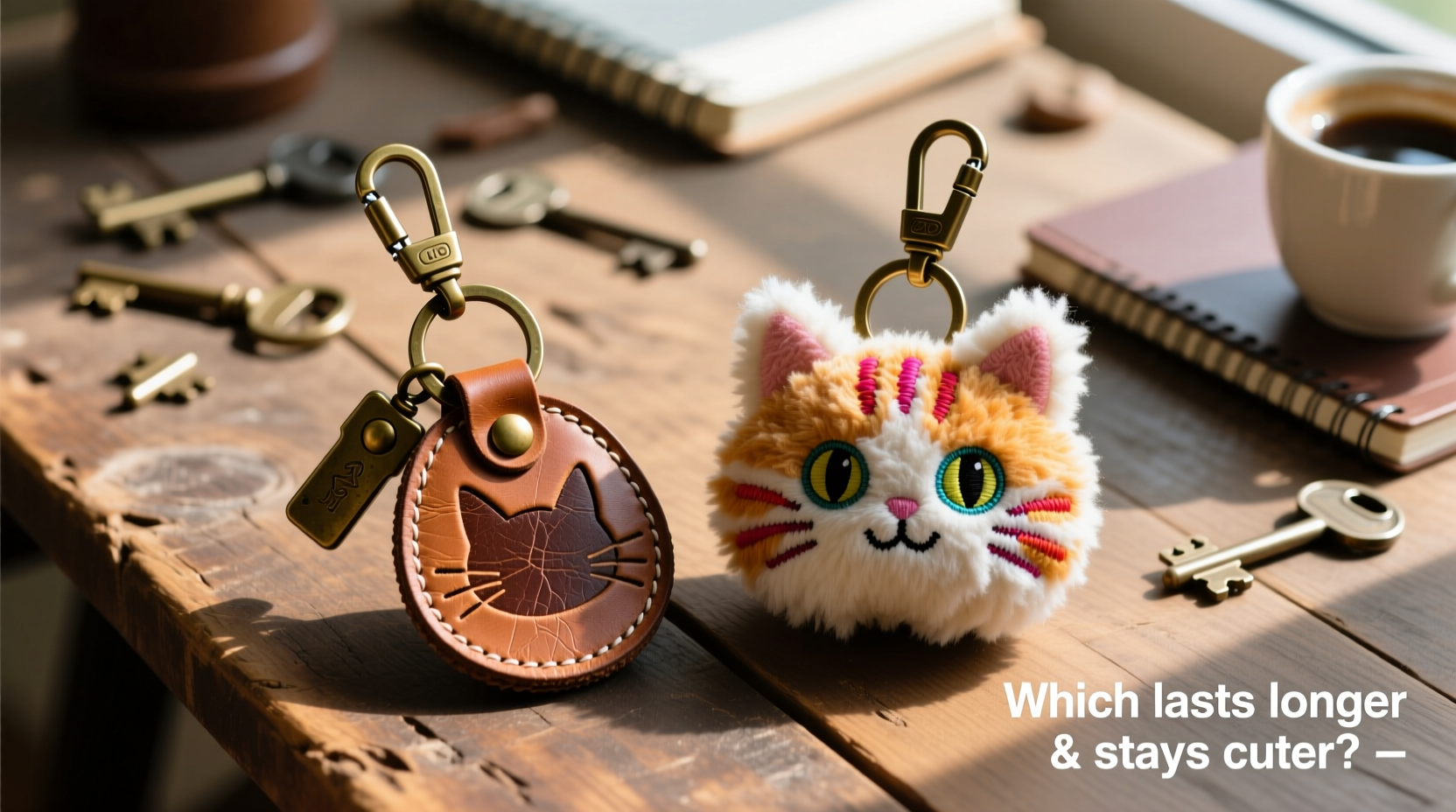
At first glance, plush cat keychains seem irresistibly soft and adorable. Their fuzzy textures and embroidered eyes evoke warmth and playfulness. Leather versions, meanwhile, project sophistication with clean lines and a polished finish. But aesthetics aside, durability is where these materials diverge sharply.
Leather, especially full-grain or top-grain varieties, is naturally resistant to abrasion, moisture, and tearing. When properly conditioned, it develops a patina over time rather than degrading. In contrast, plush fabrics—typically polyester, acrylic, or cotton blends—are prone to pilling, fraying, and flattening with frequent handling. Threads loosen, seams split, and stuffing (if any) shifts or compacts.
Consider daily wear: keys jostle in pockets, bags, and car consoles. A plush keychain will absorb this punishment unevenly, leading to matted fur and asymmetrical shapes. Leather, being denser and more structured, maintains its form far better under similar stress.
“Natural materials like leather age gracefully under consistent use, while synthetic textiles degrade predictably from friction and UV exposure.” — Dr. Lena Torres, Textile Materials Researcher, Institute of Wearable Design
Aesthetic Longevity: Who Stays Cutier Longer?
Cuteness isn’t static—it evolves with condition. A plush cat starts ultra-cuddly but risks looking worn within months. Fading colors, flattened ears, and dirt buildup can turn charming into shabby if not cleaned regularly. Leather, however, often improves with age. Scratches blend into character; color deepens. While it may lose some initial brightness, it rarely looks “dirty” in the same way fabric does.
That said, plush keychains have emotional appeal that’s hard to replicate. Their softness invites touch, making them feel more interactive. For users who prioritize tactile comfort over ruggedness, plush remains a strong contender—especially if rotated frequently or kept in protective pouches.
Material Care Requirements Compared
Maintenance directly impacts lifespan. Here's how each type fares under routine care:
| Aspect | Leather Cat Keychain | Plush Cat Keychain |
|---|---|---|
| Cleaning Frequency | Every 3–6 months | Monthly |
| Cleaning Method | Wipe with damp cloth; condition 1–2x/year | Spot clean with mild soap; air dry |
| UV Resistance | Moderate (can fade if exposed) | Poor (colors bleach quickly) |
| Water Tolerance | Good (if treated; avoid soaking) | Poor (absorbs moisture, mildews) |
| Scratch Resistance | High | Low (snags easily) |
| Lifespan (with care) | 5+ years | 1–2 years |
The data shows leather requires less frequent intervention but benefits from occasional conditioning. Plush demands regular attention to prevent grime buildup and odor—especially since fabric traps skin oils and pocket lint.
Real-World Example: Two Years in Daily Use
Sophie, a graphic designer from Portland, uses her keychain daily across commutes, gym visits, and travel. She owns two nearly identical cat keychains—one genuine leather, one premium plush—attached to separate sets of keys.
After 18 months, the plush version showed visible wear: one ear drooped permanently, the red bow had faded, and the surface collected lint despite weekly wipe-downs. The leather counterpart retained its shape, developed a warm sheen, and only required one conditioning treatment during winter. Though initially stiffer, it now feels broken in without looking aged.
“I expected the plush one to last longer because it felt so soft,” Sophie shared. “But it just doesn’t hold up. The leather one still gets compliments.”
This case illustrates a broader trend: tactile appeal doesn’t always translate to endurance. Emotional attachment may keep plush items in rotation, but functionality favors resilient materials.
Choosing Based on Lifestyle
Your choice should align with how—and where—you use your keychain. Consider these scenarios:
- Urban commuter: Frequent bag checks, subway rails, and rain exposure favor leather. It resists moisture and scuffs better.
- Office worker: Minimal physical strain allows plush to thrive, especially if stored neatly on a desk.
- Outdoor enthusiast: Hiking, biking, or beach trips demand weather-resistant gear. Leather wins here unless the plush is coated (which compromises softness).
- Gift-giver: For sentimental presents, plush feels more immediately endearing. Pair it with care instructions to extend life.
Action Plan: Maximizing Keychain Lifespan
No matter your preference, proactive habits extend life. Follow this step-by-step guide:
- Inspect monthly: Check for loose threads, weak stitching, or surface cracks.
- Clean appropriately: Use a microfiber cloth for leather; a soft brush for plush fuzz.
- Condition leather annually: Apply a light coat of leather balm to prevent drying and cracking.
- Rotate usage: Own multiple keychains and switch every few weeks to distribute wear.
- Store wisely: Keep in a breathable pouch away from humidity and heat sources.
- Avoid extreme environments: Don’t leave in hot cars or near radiators—both materials degrade under temperature stress.
Frequently Asked Questions
Can I wash a plush cat keychain in the washing machine?
No. Machine washing causes irreversible damage—shrinkage, color bleeding, and seam failure. Always hand-wash with cold water and mild detergent, then air-dry flat.
Do leather keychains stain easily?
Quality leather resists stains due to natural oils and finishes. However, prolonged contact with ink, grease, or dye-transfer fabrics (like dark denim) can mark the surface. Wipe spills immediately.
Which is more eco-friendly: leather or plush?
It depends. Genuine leather uses animal byproducts but lasts longer, reducing waste. Most plush keychains are made from petroleum-based synthetics that shed microplastics. Vegan leather options exist but vary in sustainability. Look for brands using recycled materials or tanning alternatives like plant-based dyes.
Final Verdict: Lasting Power Meets Lasting Cuteness
If longevity is your priority, leather cat keychains are the clear winner. They endure daily abuse, resist environmental damage, and age with dignity. Their cuteness evolves—from crisp and stylish to warmly vintage—without losing charm.
Plush keychains win on immediate emotional impact. They’re huggable, colorful, and ideal for collectors or those who enjoy rotating accessories seasonally. But they require more upkeep and have a shorter functional life.
The smart approach? Own both. Use leather for everyday carry, and reserve plush for special occasions or indoor display. This way, you enjoy the best of both worlds: enduring utility and heartwarming flair.




 浙公网安备
33010002000092号
浙公网安备
33010002000092号 浙B2-20120091-4
Comments
No comments yet. Why don't you start the discussion?