
If you’ve ever reached for a bottle of leather protector while cleaning your wooden bedside table, you’re not alone. Many homeowners assume that since both materials are organic and porous, the same protective product should work for both. But this assumption can lead to irreversible damage. The truth is, leather and wood may share some surface similarities, but their chemical needs, structural makeup, and long-term care requirements are fundamentally different. Using the wrong product isn’t just ineffective—it can dull finishes, attract grime, or even degrade the material over time.
Understanding the distinction between leather and wood protectors isn't about being overly cautious; it's about preserving the integrity of your furniture. Whether you're trying to revive an old nightstand or keep a new one looking fresh, using the correct treatment matters. Let’s break down how these products differ, what happens when you mix them up, and how to protect both materials properly.
Why Leather and Wood Are Fundamentally Different
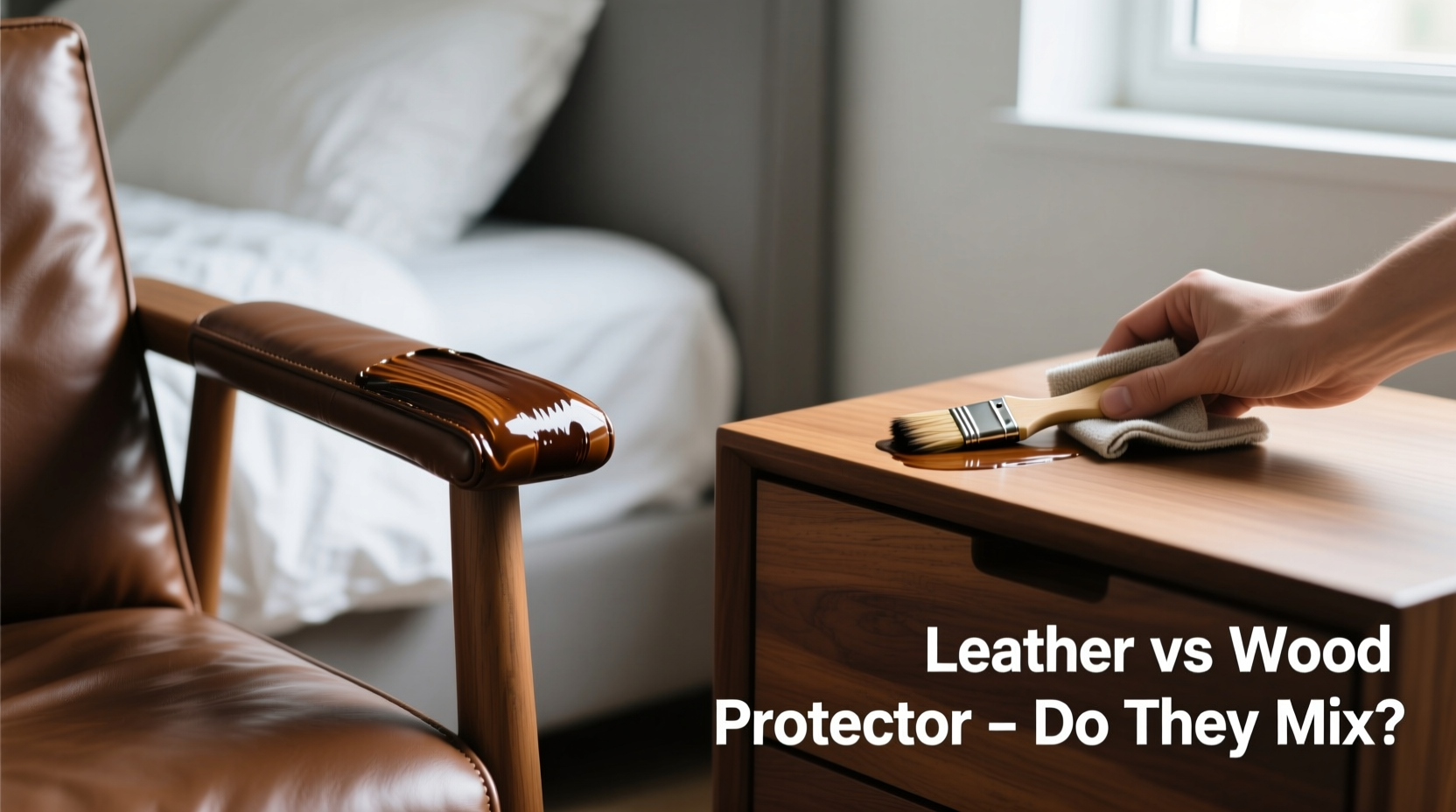
At first glance, leather and wood might seem like they belong in the same care category—both are natural, breathable, and prone to drying out. But their biological origins and physical structures dictate very different maintenance routines.
Leather is animal hide that has been tanned and treated to resist decay. It remains somewhat flexible and requires conditioning agents that replenish natural oils lost during processing and daily exposure. Most leather protectors contain silicones, waxes, or synthetic polymers designed to form a moisture-resistant barrier while maintaining suppleness.
Wood, on the other hand, is a plant-based material composed of cellulose fibers and lignin. Even when finished with varnish or oil, its pores behave differently than leather. Wood finishes—especially on furniture like bedside tables—are often sealed with polyurethane, lacquer, or wax. Applying a substance meant for leather can disrupt this finish by either clogging the grain, reacting chemically with the sealant, or leaving behind a greasy film that attracts dust.
“Using a leather conditioner on a finished wood surface is like putting lotion on a painted wall—it doesn’t absorb properly and can actually trap dirt.” — Daniel Reeves, Furniture Restoration Specialist with 20+ years in antique conservation
What Happens If You Use Leather Protector on Wood?
The short answer: you risk compromising the appearance and longevity of your bedside table. Here’s what could go wrong:
- Residue Buildup: Leather protectors often leave a slick or glossy layer that doesn’t bond well with wood finishes, leading to smudging and fingerprints.
- Discoloration: Some formulas contain dyes or darkening agents intended for leather pigmentation, which can stain light-colored wood.
- Finish Degradation: Oils in leather conditioners (like lanolin or mink oil) may soften certain varnishes over time, causing them to peel or cloud.
- Reduced Breathability: Wood needs to “breathe” slightly, especially if it’s oiled rather than fully sealed. Clogging its pores leads to trapped moisture and potential warping.
Key Differences Between Leather and Wood Protectors
To make informed decisions, it helps to understand what each type of protector is designed to do—and what ingredients they typically contain.
| Feature | Leather Protector | Wood Protector |
|---|---|---|
| Purpose | Prevent cracking, fading, and moisture absorption in leather | Shield against scratches, UV damage, and liquid spills on wood |
| Common Ingredients | Silicone, lanolin, beeswax, PTFE, acrylic polymers | Carnauba wax, polyurethane, tung oil, mineral spirits |
| Application Frequency | Every 3–6 months depending on use | Every 6–12 months; depends on wear and finish type |
| Drying Time | 15–30 minutes | Several hours to days (for oils) |
| Best For | Furniture, shoes, bags, jackets | Tables, cabinets, flooring, trim |
Notice that while both may contain wax, the formulation and delivery differ significantly. A leather spray spreads evenly across a pliable surface, whereas a wood polish must penetrate or sit atop a rigid grain without altering color or texture unpredictably.
Step-by-Step Guide to Safely Protect Your Bedside Table
Protecting your wooden bedside table doesn’t require expensive gear—just the right approach. Follow these steps to maintain its beauty safely:
- Identify the Finish Type: Is it matte, satin, or glossy? Check manufacturer instructions or perform a water-drop test—if water beads up, it’s likely sealed with polyurethane.
- Clean Gently: Use a soft microfiber cloth dampened with water or a mild wood-safe cleaner. Avoid ammonia or vinegar-based solutions unless recommended.
- Dry Thoroughly: Wipe away all moisture immediately. Lingering dampness can seep into joints and cause swelling.
- Apply Wood-Specific Protector: Choose a product labeled for your finish type—oil-based for raw or oiled wood, wax or polish for sealed surfaces.
- Buff Lightly: After application, buff with a clean cloth to prevent haze or buildup.
- Maintain Regularly: Dust weekly and reapply protector once or twice a year, depending on usage.
Real Example: A Costly Mistake Turned Learning Opportunity
Sarah from Portland bought a high-end leather care kit to maintain her living room couch and thought she’d kill two birds with one stone by using it on her walnut nightstand. Within weeks, the surface developed a sticky sheen and began attracting lint and pet hair. She tried wiping it down with water, but the residue only smeared. Eventually, she had to sand and refinish the top layer to restore its original look—a repair that cost over $120.
After consulting a local furniture restorer, she learned that the silicone in the leather spray had bonded poorly with the factory-applied lacquer, creating a semi-permanent film. Now, she keeps separate cleaning kits clearly labeled for wood and leather and swears by a simple rule: “If it wasn’t made for wood, don’t put it on wood.”
Checklist: Can I Use This Product on My Bedside Table?
- ☐ Does the label explicitly say it’s safe for wood furniture?
- ☐ Is the product formulated for the specific wood finish (e.g., oiled, lacquered, waxed)?
- ☐ Have I tested it on a hidden area first?
- ☐ Does it contain silicones, petroleum distillates, or leather-specific oils?
- ☐ Am I using tools designated only for wood (clean cloths, non-abrasive pads)?
Frequently Asked Questions
Can I use coconut oil on both leather and wood?
While coconut oil is popular as a DIY conditioner, it’s risky for both materials. On leather, it can go rancid and attract mold. On wood, it may darken the surface unevenly and fail to harden properly, leaving a greasy feel. Use manufacturer-approved products instead.
Is there any leather protector that’s safe for wood?
Virtually none. Even “natural” or “organic” leather treatments contain emollients designed for skin-like flexibility, not rigid wood cells. There are no industry-recognized crossover products that safely serve both purposes.
What should I do if I already used leather protector on my table?
Act quickly. Wipe the area with a lint-free cloth dampened with mineral spirits (test first), then follow with a wood-safe cleaner. Once dry, reapply an appropriate wood polish to restore protection. If discoloration remains, professional refinishing may be needed.
Conclusion: Protect What You Love—The Right Way
Your bedside table deserves more than a guess. While it might seem convenient to use one product for multiple surfaces, doing so risks long-term damage that could have been avoided with a few minutes of research. Leather and wood may both age beautifully, but they age differently—and they need tailored care to do so gracefully.
By choosing the right protector, understanding your furniture’s finish, and following a consistent maintenance routine, you’ll preserve not just the appearance but the value of your pieces. Don’t let shortcuts compromise craftsmanship. Take the time to care correctly, and your furniture will thank you for years to come.




 浙公网安备
33010002000092号
浙公网安备
33010002000092号 浙B2-20120091-4
Comments
No comments yet. Why don't you start the discussion?