
In an era defined by minimalism, digital convenience, and sleek design, the traditional bulky wallet is facing a quiet but decisive decline. Once a staple of men’s fashion and daily utility, thick leather wallets stuffed with cards, receipts, and cash are increasingly being replaced by slimmer alternatives—especially the rise of minimalist card wallets and hybrid leather wallet cases. But what’s driving this shift? And more importantly, are bulky wallets truly on their way to extinction?
The answer lies in evolving lifestyles, technological advancements, and a growing preference for efficiency over excess. As smartphones become multifunctional hubs and contactless payments dominate, the need for physical cards and cash has diminished. This cultural pivot is reshaping how we think about personal accessories—and the humble wallet is no exception.
The Evolution of the Wallet: From Utility to Design
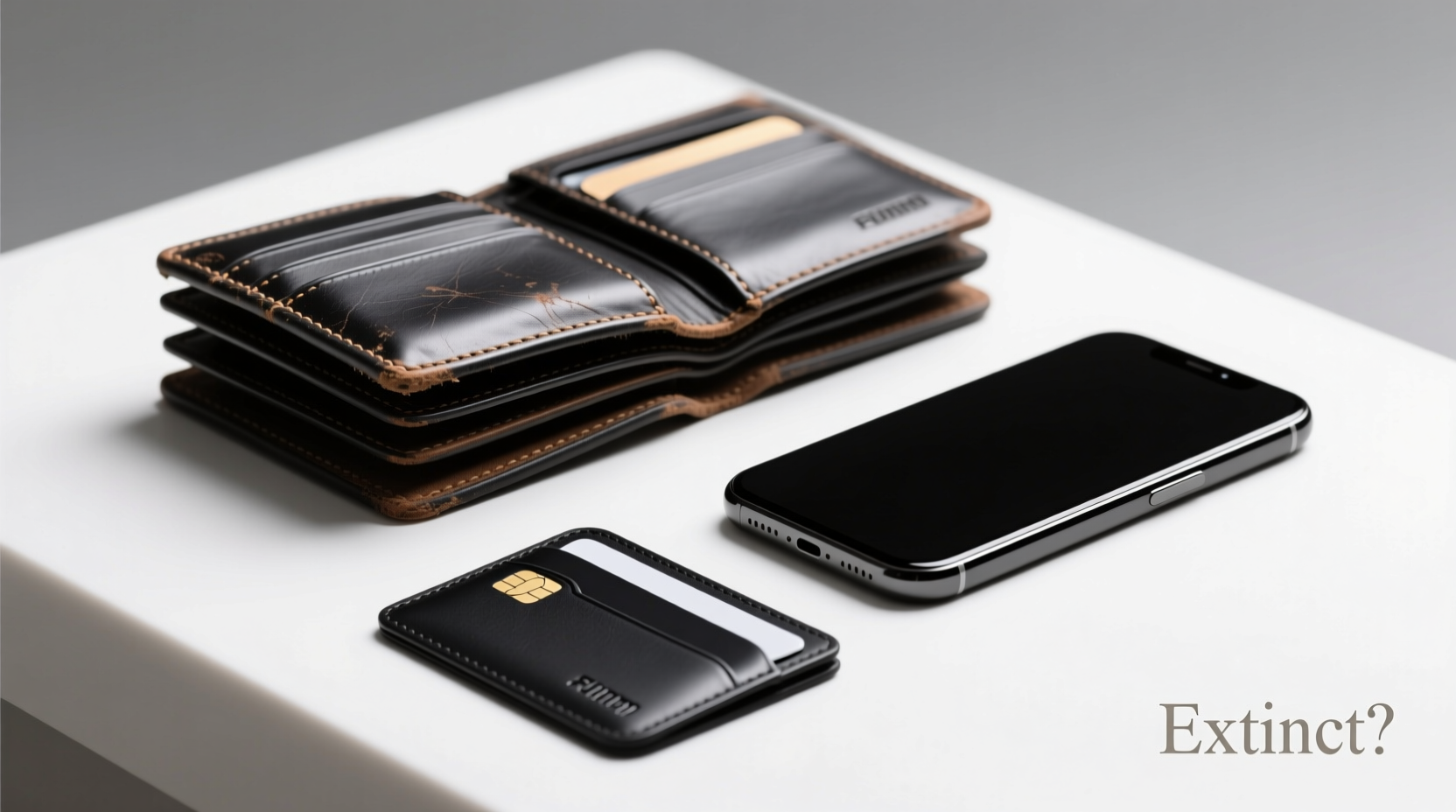
Wallets have long served as both functional tools and status symbols. In the 20th century, a well-worn leather wallet was a sign of maturity and responsibility. Men carried everything from ID and credit cards to photos, coupons, and even loose change. The thicker the wallet, the busier the life—so the logic went.
But today, that logic is being challenged. Smartphones now store digital IDs, boarding passes, payment methods, and loyalty cards. Mobile wallets like Apple Pay, Google Pay, and Samsung Pay have made transactions faster and more secure than ever. As a result, the average person carries fewer physical items, reducing the need for large storage solutions.
This shift hasn’t gone unnoticed by designers and consumers alike. The market has responded with a wave of slim, functional alternatives—most notably the minimalist card wallet and the hybrid leather wallet case designed to hold both phone and cards.
Leather Wallet Case vs Minimalist Card Wallet: A Detailed Comparison
To understand the future of wallets, it's essential to compare the two leading contenders: the classic leather wallet case (often combining phone protection with card slots) and the standalone minimalist card wallet.
| Feature | Leather Wallet Case | Minimalist Card Wallet |
|---|---|---|
| Primary Function | Phone + card protection in one unit | Card-only storage, ultra-slim profile |
| Thickness & Bulk | Moderate (adds phone thickness) | Extremely slim (fits in front pocket) |
| Capacity | 3–6 cards, sometimes cash | 2–4 cards, occasionally cash |
| Material | Genuine or synthetic leather | Leather, metal, carbon fiber, or recycled materials |
| Durability | High, especially with full-grain leather | Varies—metal lasts longer than fabric |
| RFID Protection | Sometimes included | Common in premium models |
| Price Range | $30–$120 | $25–$150+ |
| Lifestyle Fit | Convenience-focused, all-in-one users | Minimalists, urban commuters, tech adopters |
When the Leather Wallet Case Shines
A leather wallet case excels when integration is key. For users who want to reduce pocket clutter by combining phone and wallet into one device, these cases offer practicality. They’re ideal for frequent travelers needing quick access to boarding passes or business cards. Many high-end versions age beautifully, developing a patina that reflects personal use.
Where Minimalist Wallets Lead
Minimalist card wallets win on portability and philosophy. Brands like Secrid, Ridge, and Bellroy focus on ergonomics and intentional design. These wallets encourage users to carry only what they need—typically two to four essential cards. Their compact size reduces strain on clothing pockets and eliminates the “wallet bulge” that can distort pant lines.
Are Bulky Wallets Going Extinct?
While not yet extinct, bulky wallets are undeniably endangered. Several trends point to their gradual obsolescence:
- Digital Payments Growth: Over 75% of U.S. consumers now use mobile or contactless payments at least weekly (Statista, 2023).
- Fashion Trends: Slim-fit clothing dominates modern wardrobes, making thick wallets impractical and uncomfortable.
- Ergonomic Awareness: Chiropractors and posture experts warn that carrying a thick wallet in the back pocket can contribute to sciatica and pelvic misalignment.
- Sustainability Focus: Minimalist wallets often use less material and promote conscious consumption—a value increasingly prioritized by younger generations.
“People don’t want to carry weight anymore—physically or mentally. The minimalist wallet isn’t just a product; it’s a reflection of a decluttered lifestyle.” — Daniel Kim, Product Designer at Nomad Goods
A Real-Life Shift: The Case of James, a City Commuter
James, a 34-year-old financial analyst in Chicago, used to carry a bi-fold leather wallet packed with eight cards, folded bills, and expired gift cards. After months of discomfort from sitting on his wallet during commutes, he switched to a titanium minimalist wallet holding only his driver’s license, work badge, and two credit cards. “I didn’t realize how much mental load I carried until I removed half the junk,” he said. “Now I move faster, sit better, and feel lighter.” His experience mirrors a broader behavioral trend: less stuff, more intentionality.
How to Choose the Right Option for Your Lifestyle
Selecting between a leather wallet case and a minimalist card wallet depends on your daily habits, environment, and priorities. Follow this step-by-step guide to make the best decision:
- Inventory Your Essentials: Lay out everything you currently carry. Identify which items you actually use daily.
- Assess Your Phone Usage: Do you rely heavily on mobile payments? If yes, you likely need fewer physical cards.
- Test Pocket Comfort: Try placing your current wallet in your front pocket. Does it stay securely? Is it comfortable when sitting?
- Consider Security Needs: If you're concerned about skimming, prioritize RFID-blocking materials.
- Evaluate Durability Preferences: Full-grain leather ages well; metal wallets resist wear but may scratch phones.
- Budget Accordingly: While premium minimalist wallets can be expensive upfront, they often last longer than traditional wallets due to superior materials.
Checklist: Signs You Should Switch to a Minimalist Wallet
- ☑ You use Apple Pay or Google Pay regularly
- ☑ Your wallet feels heavy or causes discomfort
- ☑ You frequently remove cards you don’t need
- ☑ You value clean aesthetics and organized living
- ☑ You wear slim-cut pants or suits
FAQ
Can a minimalist wallet hold cash?
Some minimalist wallets are designed with a small money clip or foldable sleeve for a couple of bills. Others prioritize cards only. If carrying cash is essential, look for models like the Bellroy Note Sleeve or Secrid Compact Wallet, which balance slimness with functionality.
Do leather wallet cases damage phones?
Poorly designed cases with rough interiors can scratch screens or trap debris. However, high-quality leather cases from reputable brands include soft microfiber linings and precise cutouts to protect your device while enhancing grip and drop resistance.
Are RFID-blocking wallets necessary?
While RFID skimming is rare in real-world scenarios, the risk exists in crowded areas like airports or subways. If you carry sensitive cards (e.g., passports with chips), RFID protection offers peace of mind. For most daily users, it’s optional but increasingly standard in premium designs.
Conclusion: The Future Is Slim, Smart, and Intentional
The decline of the bulky wallet isn’t just about fashion—it’s a response to smarter technology, healthier habits, and a cultural embrace of simplicity. Whether you choose a sleek minimalist card wallet or a versatile leather wallet case, the trend is clear: people want less bulk, more function, and greater ease in their daily lives.
That doesn’t mean traditional wallets will vanish overnight. There will always be enthusiasts who appreciate craftsmanship, heritage, and the tactile satisfaction of a well-made bi-fold. But for the majority of users, especially those navigating fast-paced urban environments, the minimalist alternative offers undeniable advantages.




 浙公网安备
33010002000092号
浙公网安备
33010002000092号 浙B2-20120091-4
Comments
No comments yet. Why don't you start the discussion?