
Shoulder pain is a common complaint, but when it lingers or worsens, it can interfere with daily activities, sleep, and overall quality of life. Left shoulder ache, in particular, raises concerns due to its proximity to the heart and vital organs. While many cases stem from muscle strain or joint overuse, some causes demand urgent attention. Understanding the underlying reasons, recognizing warning signs, and knowing effective treatment paths can help you respond appropriately and prevent long-term complications.
Common Causes of Left Shoulder Pain
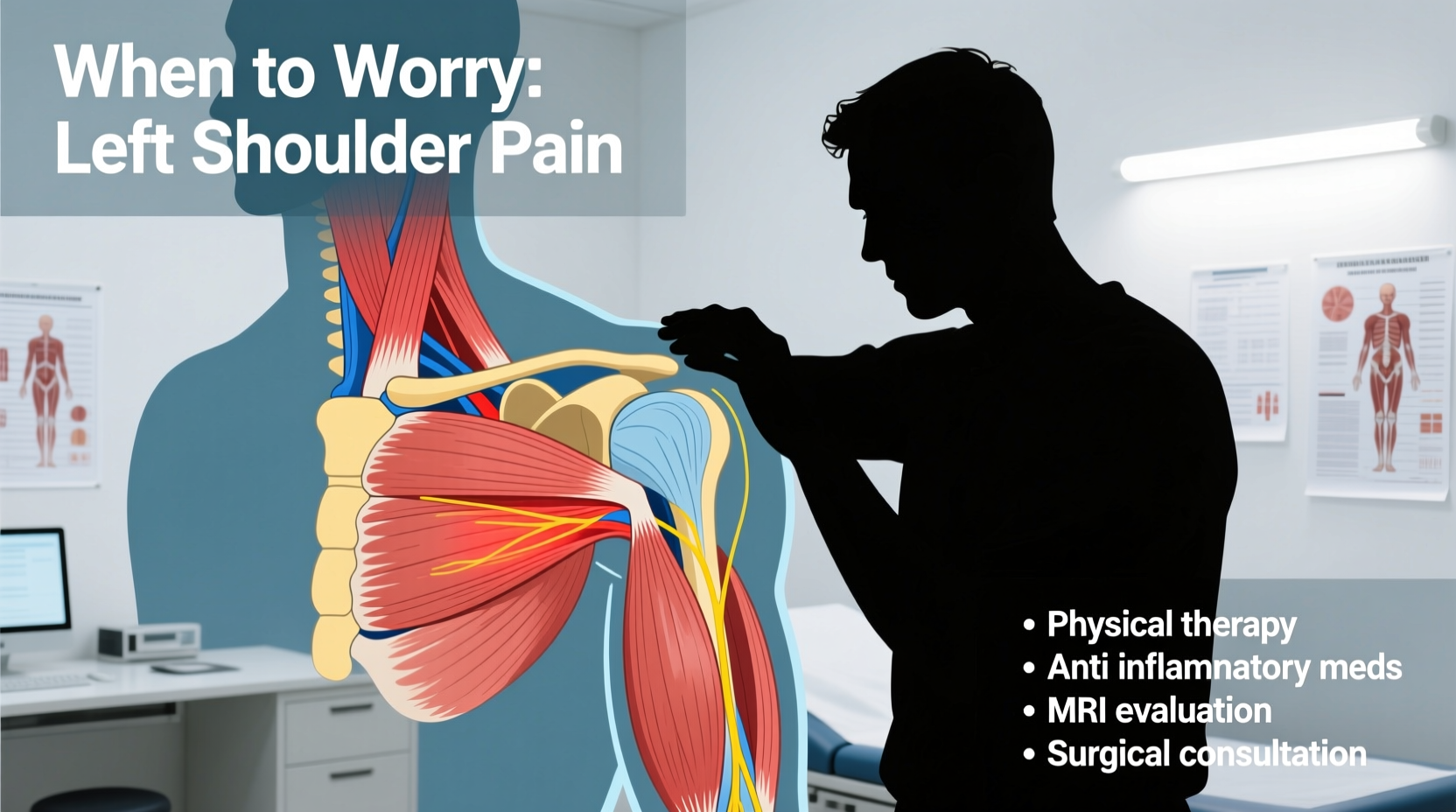
Not all left shoulder discomfort signals a serious issue. Most often, the pain originates from musculoskeletal sources. These include:
- Rotator cuff injuries: Tears or inflammation in the group of muscles and tendons that stabilize the shoulder.
- Shoulder impingement: Occurs when tendons rub against the acromion (a bony projection) during arm movement.
- Bursitis: Inflammation of the fluid-filled sacs (bursae) that cushion joints.
- Tendinitis: Overuse or repetitive motion leading to tendon irritation, especially in athletes or manual laborers.
- Adhesive capsulitis (frozen shoulder): Stiffness and pain caused by thickening and tightening of the shoulder capsule.
- Referred pain from the neck: Cervical spine issues like herniated discs or arthritis can radiate pain into the shoulder.
- Poor posture: Prolonged slouching or desk work strains the trapezius and other upper back muscles.
When to Worry: Red Flags That Require Immediate Attention
While most shoulder pain is benign, certain symptoms may point to systemic or life-threatening conditions. Seek emergency care if you experience any of the following:
“Sudden, severe left shoulder pain accompanied by chest pressure or shortness of breath should never be ignored—it could indicate a cardiac event.” — Dr. Lena Patel, Board-Certified Cardiologist
- Chest pain or pressure: Especially if radiating to the jaw, neck, or arm. This may signal a heart attack.
- Shortness of breath: Combined with shoulder discomfort, this increases concern for cardiovascular or pulmonary issues.
- Dizziness or nausea: Often associated with heart-related pain, particularly in women.
- Pain after trauma: A fall or impact causing deformity, inability to move the arm, or sharp pain suggests fracture or dislocation.
- Sudden onset without injury: Especially if persistent and worsening, possibly indicating referred pain from internal organs.
- Abdominal pain with shoulder pain: Could indicate gallbladder disease—pain often radiates to the right shoulder, but occasionally affects the left.
- History of cancer: Unexplained bone pain may suggest metastasis, requiring prompt imaging.
Diagnostic Process and Medical Evaluation
A thorough assessment begins with a detailed patient history and physical examination. Your doctor will evaluate range of motion, strength, and specific pain triggers. Depending on findings, they may recommend one or more diagnostic tools:
| Test | Purpose | What It Detects |
|---|---|---|
| X-ray | Visualize bones | Fractures, arthritis, joint alignment |
| MRI | Detailed soft tissue imaging | Rotator cuff tears, labral injuries, nerve compression |
| Ultrasound | Dynamic tendon evaluation | Bursitis, tendinitis, partial tears |
| Electromyography (EMG) | Nerve function test | Cervical radiculopathy, nerve entrapment |
| EKG & Blood Tests | Cardiac screening | Heart attack markers, arrhythmias |
Real Example: Recognizing Referred Pain
Mark, a 58-year-old accountant, experienced dull left shoulder pain for three days. He assumed it was from sleeping awkwardly. When he developed mild chest tightness during a walk, he visited urgent care. An EKG revealed subtle changes, and blood tests confirmed elevated troponin levels. He was diagnosed with a non-ST elevation myocardial infarction (NSTEMI). His shoulder pain was referred cardiac pain. Prompt intervention prevented further damage.
Treatment Options Based on Cause
Effective treatment depends on accurate diagnosis. Below are evidence-based approaches categorized by condition type:
Musculoskeletal Causes
- Rest and activity modification: Avoid movements that aggravate pain, especially overhead lifting.
- Ice and heat therapy: Ice for acute inflammation (first 48 hours), heat for chronic stiffness.
- Physical therapy: Targeted exercises improve strength, flexibility, and posture. Supervised rehab increases recovery success by 60% compared to self-care alone.
- NSAIDs: Ibuprofen or naproxen reduce pain and inflammation (use under medical guidance).
- Corticosteroid injections: For persistent bursitis or impingement, injections provide short-term relief.
- Surgery: Considered for full-thickness rotator cuff tears or recurrent instability unresponsive to conservative care.
Systemic or Referred Causes
- Cardiac-related: Managed with medications (beta-blockers, statins), angioplasty, or bypass surgery as needed.
- Cervical spine issues: Treated with physical therapy, epidural injections, or surgical decompression.
- Visceral causes (e.g., gallbladder, spleen): Addressed by treating the underlying organ condition.
Prevention and Long-Term Management Checklist
To minimize recurrence and support shoulder health, follow this actionable checklist:
- ✅ Maintain good posture at work and while using mobile devices
- ✅ Perform regular shoulder-strengthening exercises (e.g., external rotations with resistance bands)
- ✅ Warm up before physical activity and stretch afterward
- ✅ Avoid prolonged overhead positions or repetitive lifting
- ✅ Use ergonomic furniture and adjust workstation height
- ✅ Manage stress to reduce muscle tension in the neck and shoulders
- ✅ Schedule regular check-ups if you have chronic conditions like diabetes or arthritis
Frequently Asked Questions
Can left shoulder pain be a sign of a heart attack?
Yes. While chest pain is the most recognized symptom, up to 30% of heart attack patients experience atypical presentations, including isolated shoulder or arm pain—especially women and diabetics. Always rule out cardiac causes when pain is unexplained and accompanied by fatigue, nausea, or breathlessness.
How long should I wait before seeing a doctor for shoulder pain?
If pain persists beyond two weeks despite rest and over-the-counter care, consult a healthcare provider. Seek immediate help if symptoms worsen suddenly or red flags appear.
Is it safe to exercise with shoulder pain?
It depends on the cause. Light range-of-motion exercises may help, but avoid resistance training or overhead motions if pain increases. Consult a physical therapist before resuming activity.
Conclusion: Take Action Before Pain Becomes Chronic
Left shoulder ache is more than just a minor inconvenience—it can be a clue to deeper health issues or a sign of overuse that, if ignored, may lead to lasting disability. By understanding the possible causes, recognizing danger signs, and pursuing appropriate treatment, you protect both your mobility and overall well-being. Don’t dismiss persistent pain as normal wear and tear. Listen to your body, act early, and engage with healthcare professionals when needed.




 浙公网安备
33010002000092号
浙公网安备
33010002000092号 浙B2-20120091-4
Comments
No comments yet. Why don't you start the discussion?