
Sore legs without an obvious cause can be confusing and concerning. You may not have exercised recently, stood for long periods, or injured yourself—yet your legs ache, feel heavy, or throb unexpectedly. While muscle soreness is often benign and resolves on its own, persistent or unexplained discomfort can signal underlying health issues. Understanding the range of potential causes, recognizing warning signs, and knowing when to seek medical advice are essential steps in protecting your long-term well-being.
Common Non-Serious Causes of Leg Soreness
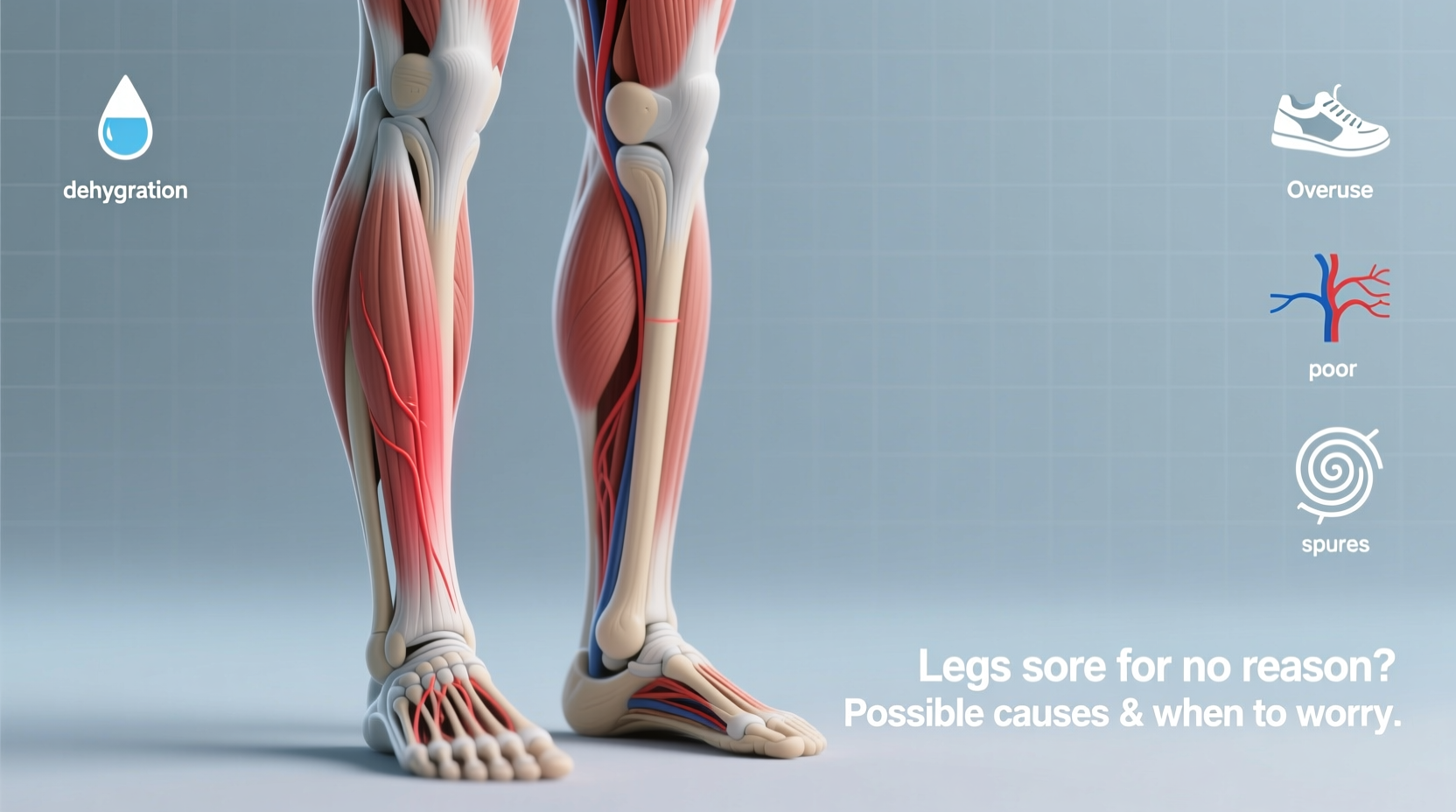
Many cases of leg soreness stem from lifestyle factors or minor physiological changes. These causes typically improve with rest, hydration, or simple adjustments.
- Inactivity followed by movement: Sitting for prolonged periods—especially during travel or desk work—can lead to stiffness and mild soreness when you finally stand or walk.
- Dehydration: Low fluid levels reduce electrolyte balance, increasing the risk of muscle cramps and aching.
- Vitamin or mineral deficiencies: Low levels of magnesium, potassium, calcium, or vitamin D can contribute to muscle fatigue and discomfort.
- Poor circulation due to posture: Crossing your legs or wearing tight clothing may temporarily restrict blood flow, causing heaviness or tingling.
- Stress and tension: Emotional stress can manifest physically, leading to muscle tightness, including in the legs.
Medical Conditions That May Cause Unexplained Leg Pain
When soreness persists without clear cause, it may point to an underlying condition requiring evaluation. Some of these are manageable; others need prompt attention.
Peripheral Artery Disease (PAD)
Narrowed arteries reduce blood flow to the limbs. Symptoms include cramping in the calves during walking (claudication), numbness, and coldness in the lower legs. PAD increases cardiovascular risk and should be diagnosed early.
Deep Vein Thrombosis (DVT)
A blood clot in a deep vein, usually in the leg, can cause localized pain, swelling, redness, and warmth. DVT is a medical emergency because clots can travel to the lungs (pulmonary embolism).
“Unilateral leg swelling with tenderness, especially without trauma, should never be ignored. It could indicate a deep vein thrombosis.” — Dr. Lena Torres, Vascular Medicine Specialist
Fibromyalgia
This chronic condition involves widespread musculoskeletal pain, fatigue, and tender points. Leg soreness may occur alongside sleep disturbances and cognitive difficulties, often without physical triggers.
Restless Legs Syndrome (RLS)
RLS causes uncomfortable sensations in the legs and an uncontrollable urge to move them, particularly at night. It’s frequently linked to iron deficiency or neurological imbalances.
Neuropathy
Nerve damage—often due to diabetes, autoimmune disorders, or vitamin B12 deficiency—can result in burning, tingling, or deep aching in the legs, even without injury.
When to Worry: Red Flags Requiring Medical Attention
Most leg soreness resolves within a few days. However, certain symptoms suggest the need for immediate medical assessment.
| Symptom | Possible Concern | Action |
|---|---|---|
| Swelling in one leg only | Deep vein thrombosis | Seek urgent care |
| Redness, warmth, and pain | Infection or inflammation | See a doctor within 24 hours |
| Numbness or weakness | Spinal or nerve issue (e.g., sciatica) | Consult neurologist or spine specialist |
| Chest pain with leg swelling | Potential pulmonary embolism | Call emergency services immediately |
| Open sores or skin discoloration | Poor circulation or venous insufficiency | Schedule vascular evaluation |
Step-by-Step Guide to Evaluating and Managing Leg Soreness
If your legs hurt without explanation, follow this practical timeline to assess and respond appropriately.
- Day 1–2: Monitor symptoms
Track when the pain occurs, its location, intensity, and any associated symptoms (swelling, skin changes, fever). Note recent activity, diet, and medication use. - Apply conservative measures
Elevate your legs, stay hydrated, gently stretch, and avoid prolonged standing. Use over-the-counter pain relief (e.g., acetaminophen) if needed—but don’t mask severe symptoms. - Day 3–4: Reassess
If soreness improves, continue self-care. If it worsens or remains unchanged, consider common contributors like poor sleep, stress, or nutrient gaps. - Day 5+: Seek professional input
Visit your primary care provider if pain persists beyond five days without explanation. Blood tests, ultrasound, or neurological exams may be recommended. - Follow through
Adhere to diagnostic recommendations. Early detection of conditions like neuropathy or circulatory disease improves outcomes significantly.
Real-Life Example: Recognizing a Hidden Condition
Mark, a 48-year-old office worker, began noticing dull aching in his left calf after sitting at his desk. He assumed it was from inactivity. Over two weeks, the pain intensified, and his ankle swelled slightly. He dismissed it until he developed shortness of breath while climbing stairs. Urgent care revealed a deep vein thrombosis. With anticoagulant treatment, Mark recovered—but his case underscores how subtle symptoms can escalate quickly.
His story highlights the importance of not normalizing persistent leg discomfort, especially when unilateral or progressive.
Prevention and Daily Care Checklist
Reducing the risk of unexplained leg soreness involves consistent habits that support circulation, nerve health, and muscle function.
- Stay hydrated (aim for 8+ glasses of water daily)
- Move every hour if sitting for long periods
- Stretch calves and hamstrings before bed
- Wear supportive footwear, especially if standing
- Maintain healthy blood pressure and cholesterol
- Get regular checkups for diabetes or thyroid issues
- Include magnesium and B-complex vitamins in your diet
Frequently Asked Questions
Can anxiety cause leg soreness?
Yes. Anxiety triggers muscle tension and hypervigilance, which may lead to physical symptoms like leg tightness or aching. Chronic stress can also disrupt sleep and nutrient absorption, indirectly contributing to muscle fatigue.
Why do my legs hurt at night with no injury?
Nighttime leg pain can stem from restless legs syndrome, nocturnal cramps due to dehydration or mineral imbalance, or positional nerve compression. In older adults, peripheral artery disease may also present as nighttime discomfort.
Is it normal for both legs to feel sore after sleeping?
Occasional stiffness can happen due to sleeping posture, but persistent morning soreness warrants investigation. Consider mattress quality, underlying arthritis, or inflammatory conditions if this becomes routine.
Conclusion: Listen to Your Body
Leg soreness without an apparent cause isn't always alarming, but it shouldn't be routinely ignored. Your body uses discomfort as a signal—sometimes subtle, sometimes urgent. By understanding potential causes, monitoring symptoms closely, and acting early when red flags appear, you protect not just your mobility but your overall health. Don’t dismiss recurring pain as “just aging” or “stress.” Take charge with informed choices, preventive habits, and timely medical consultation.




 浙公网安备
33010002000092号
浙公网安备
33010002000092号 浙B2-20120091-4
Comments
No comments yet. Why don't you start the discussion?