
For individuals managing blood sugar levels—whether due to prediabetes, type 2 diabetes, or metabolic syndrome—the glycemic index (GI) of foods plays a crucial role in dietary planning. Among legumes, lentils stand out not only for their rich nutrient profile but also for their remarkably low glycemic index. Unlike many carbohydrate-rich foods that cause rapid spikes in blood glucose, lentils release energy slowly, promoting stable insulin responses and sustained satiety. This makes them a cornerstone of balanced diets aimed at long-term health, weight management, and chronic disease prevention. Understanding the glycemic impact of lentils is essential for making informed food choices, especially when building meals around plant-based proteins and complex carbohydrates.
Definition & Overview
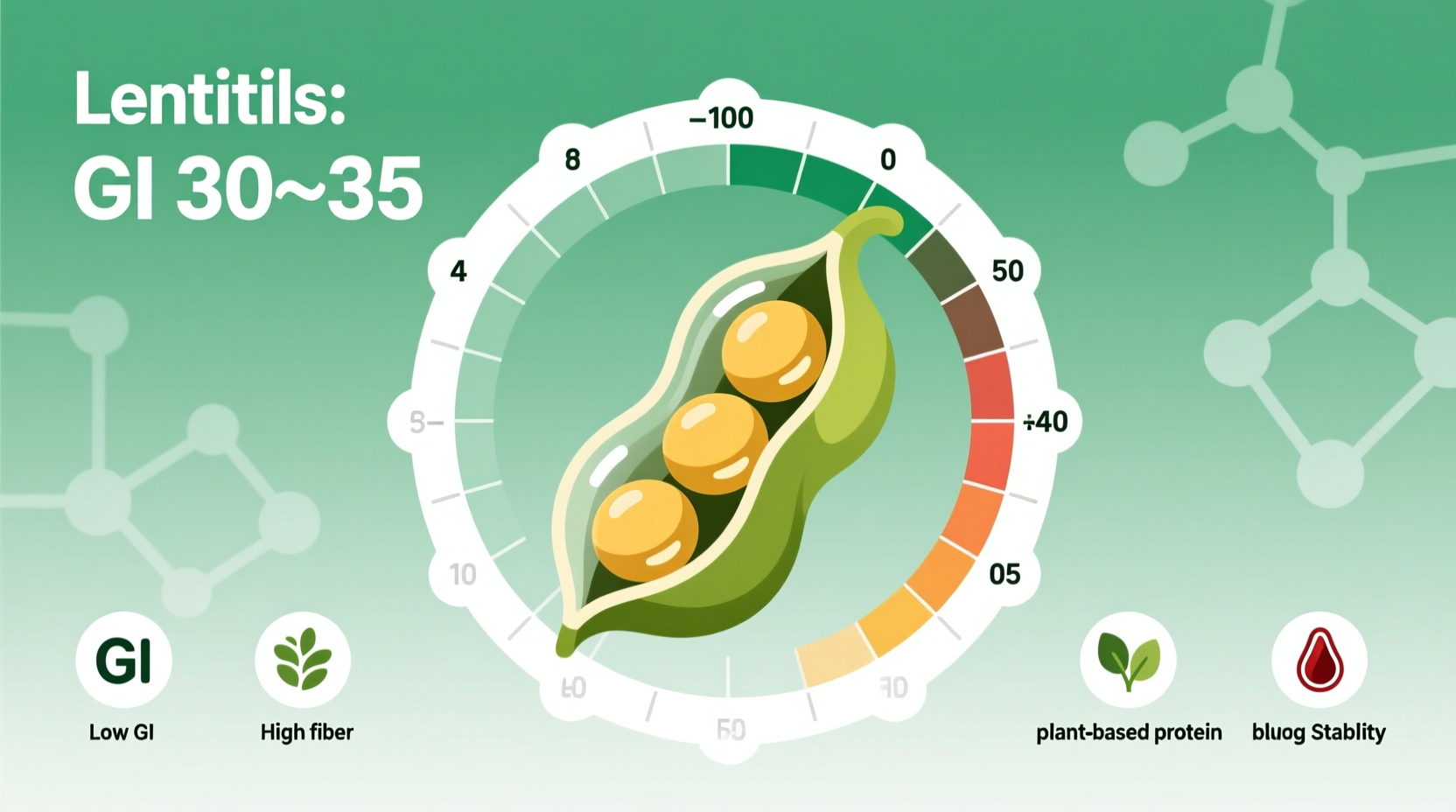
Lentils are edible seeds from the legume family (Lens culinaris), known for their lens-shaped form and earthy flavor. One of the oldest cultivated crops, originating in the Near East over 8,000 years ago, lentils have become a global staple due to their affordability, storage stability, and nutritional density. They are naturally high in protein, dietary fiber, B vitamins (especially folate), iron, magnesium, and polyphenols, while remaining low in fat and free of cholesterol.
From a metabolic standpoint, lentils are classified as complex carbohydrates. Their starch composition includes resistant starch and soluble fiber, both of which slow digestion and modulate glucose absorption. As a result, lentils consistently rank low on the glycemic index scale—a measure developed to rank carbohydrate-containing foods based on how quickly they raise blood glucose levels after consumption.
The glycemic index categorizes foods on a scale from 0 to 100, with pure glucose set at 100. Foods with a GI below 55 are considered low, those between 56–69 are medium, and anything above 70 is high. Most varieties of cooked lentils fall within the 20–35 range, placing them among the lowest-GI carbohydrate sources available.
Key Characteristics of Lentils
- Glycemic Index: 20–35 (low)
- Flavor Profile: Earthy, nutty, mildly sweet depending on variety
- Color/Form: Available in red, green, brown, black (beluga), yellow, and French (Puy) types
- Cooking Time: Varies by type—red lentils cook in 15–20 minutes; whole green or black may take 30–45 minutes
- Dietary Function: Plant-based protein source, fiber provider, blood sugar stabilizer
- Shelf Life: Up to 1–2 years when stored in a cool, dry place in an airtight container
- Allergen Status: Not a common allergen, though some may experience digestive discomfort if consumed in excess
Tip: Cooking lentils with acidic ingredients like tomatoes or vinegar can further lower their effective glycemic impact by slowing gastric emptying and starch breakdown.
How the Glycemic Index of Lentils Benefits Health
The low glycemic index of lentils translates into measurable health benefits, particularly for metabolic regulation. When lentils are consumed, their carbohydrates are broken down gradually, leading to a slow, steady rise in blood glucose rather than a sharp spike. This helps prevent insulin resistance over time and supports better glycemic control in people with type 2 diabetes.
A 2012 meta-analysis published in Archives of Internal Medicine found that substituting legumes—including lentils—for higher-GI foods significantly improved HbA1c levels, a key marker of long-term blood sugar control. Participants who ate about one daily serving (approximately 1/2 cup cooked) of lentils or other pulses experienced average reductions in HbA1c comparable to some oral diabetes medications.
Beyond glucose metabolism, the slow-release energy from lentils contributes to prolonged fullness, reducing overall calorie intake throughout the day. This makes them highly effective in weight management strategies. The combination of protein (about 18g per cooked cup) and fiber (15g per cup) creates a powerful satiety effect, minimizing cravings and snacking between meals.
“Replacing refined grains with lentils doesn’t just lower the meal’s glycemic load—it enhances micronutrient intake, improves gut microbiota, and reduces cardiovascular risk factors.” — Dr. Joanne Slavin, registered dietitian and professor of food science and nutrition, University of Minnesota
Practical Usage: Incorporating Low-GI Lentils into Daily Meals
Using lentils effectively requires understanding how preparation methods influence their glycemic response and culinary function. Here are practical ways to integrate lentils into everyday cooking while maximizing their metabolic benefits:
1. Choose Whole Over Split When Possible
Whole lentils (such as green, brown, or Puy) retain more of their cellular structure, resulting in slower digestion compared to split varieties like red or yellow lentils, which break down faster. While all lentil types remain low-GI, whole forms offer slightly better glucose modulation.
2. Combine With High-GI Foods to Balance the Meal
Lentils act as natural \"glycemic buffers.\" Pairing them with higher-GI foods such as white rice, potatoes, or bread lowers the overall glycemic load of the meal. For example, a traditional Indian dish like dal with basmati rice has a much lower net glycemic impact than rice eaten alone.
3. Add Acidic Ingredients During Cooking
Incorporating lemon juice, vinegar, yogurt, or tomato-based sauces during or after cooking can reduce the rate of starch digestion. Acidity slows gastric emptying and inhibits certain enzymes involved in carbohydrate breakdown, enhancing the blood sugar-stabilizing effects of lentils.
4. Use in Cold Salads for Enhanced Resistant Starch
Cooling cooked lentils before eating increases their resistant starch content—a type of fiber that resists digestion in the small intestine and feeds beneficial gut bacteria. Chilled lentil salads made ahead of time and stored in the refrigerator overnight provide even greater prebiotic and glycemic benefits.
5. Substitute for Higher-GI Proteins or Carbohydrates
Replace ground meat in tacos, shepherd’s pie, or pasta sauce with cooked brown or green lentils. Not only does this cut saturated fat and increase fiber, but it also results in a lower-GI version of the dish. Similarly, use mashed lentils instead of mashed potatoes or serve lentil-based soups as a warming, filling alternative to noodle-heavy options.
Actionable Recipe Idea: Make a Mediterranean lentil bowl with chilled green lentils, diced cucumber, cherry tomatoes, olives, feta cheese, olive oil, and lemon juice. Serve over a small portion of quinoa for complete protein and balanced energy release.
Variants & Types: How Different Lentils Compare
While all lentils share a low glycemic index, subtle differences in texture, cooking behavior, and nutrient content make certain types more suitable for specific uses.
| Type | Glycemic Index (Approx.) | Texture After Cooking | Best Uses | Notes |
|---|---|---|---|---|
| Brown Lentils | 25–30 | Firm, hold shape well | Soups, stews, casseroles | Most widely available; excellent all-purpose choice |
| Green/Puy Lentils | 20–25 | Firm, peppery bite | Salads, side dishes | Higher in polyphenols; best cold applications |
| Red/Yellow Lentils | 30–35 | Soft, mushy when cooked | Dals, curries, purees | Split varieties digest slightly faster; still low-GI |
| Black (Beluga) Lentils | 25 | Shiny, caviar-like, very firm | Garnishes, upscale salads | Premium option; visually striking and nutrient-dense |
Despite minor variations, no lentil type crosses into the medium or high GI category. Therefore, personal preference and recipe requirements should guide selection more than glycemic concerns alone.
Comparison with Similar Ingredients
Lentils are often grouped with other legumes and plant proteins, but their glycemic performance distinguishes them from several commonly used alternatives.
| Food (1/2 cup cooked) | Glycemic Index | Fiber (g) | Protein (g) | Key Difference |
|---|---|---|---|---|
| Lentils | 20–35 | 8–9 | 9 | Lowest GI among common legumes; highest fiber-to-carb ratio |
| Chickpeas | 28–35 | 6 | 7 | Slightly denser texture; similar GI but lower fiber |
| Black Beans | 30 | 7.5 | 7.5 | Comparable GI; lentils cook faster and require no soaking |
| Quinoa | 53 | 2.5 | 4 | Medium GI; lacks same level of blood sugar control |
| White Rice | 73 | 0.4 | 2 | High GI; causes rapid glucose spikes unless paired with lentils |
This comparison highlights why lentils are uniquely positioned as a functional food for metabolic health. Even against other nutritious legumes, they offer superior digestibility, faster cooking times, and unmatched versatility across cuisines.
Practical Tips & FAQs
Do canned lentils have the same GI as dried?
Yes. Canned lentils undergo minimal processing and retain their low glycemic properties. However, check labels for added sodium or preservatives. Rinsing canned lentils reduces sodium by up to 40% without affecting GI.
Can I eat lentils if I’m following a low-carb diet?
Yes, in moderation. Though lentils contain carbohydrates (~20g per ½ cup cooked), most are complex carbs bound to fiber and protein. Their net digestible carb count is relatively low, and their metabolic impact mimics that of non-starchy vegetables. Many low-glycemic and plant-forward keto plans include small servings of lentils.
Why do lentils sometimes cause bloating?
Lentils contain oligosaccharides—complex sugars that human enzymes cannot fully break down. These reach the colon intact, where gut bacteria ferment them, producing gas. Soaking dried lentils before cooking (though not required) and introducing them gradually into the diet can minimize digestive discomfort.
Does cooking method affect the glycemic index?
Yes. Overcooking lentils until very soft increases their GI slightly by breaking down cell walls and releasing starch more readily. To maintain the lowest possible GI, avoid prolonged boiling and consider al dente textures, especially for salads.
Are sprouted lentils better for blood sugar?
Sprouting may modestly improve mineral bioavailability and reduce antinutrients like phytic acid, but research shows little change in glycemic index. Sprouted lentils retain their low-GI status and may be easier to digest for some individuals.
How much should I eat per serving?
A standard serving is ½ cup cooked (about 100g). For blood sugar management, aim for one serving per meal, ideally combined with non-starchy vegetables and healthy fats (e.g., olive oil, avocado). This balance optimizes nutrient absorption and further stabilizes glucose response.
Storage Tip: Store dried lentils in an airtight glass jar away from heat and light. Keep cooked lentils refrigerated for up to 5 days or freeze in portions for quick meal prep.
Summary & Key Takeaways
Lentils are a nutritional powerhouse with a glycemic index ranging from 20 to 35—solidly in the low category. Their slow-digesting carbohydrates, high fiber, and plant-based protein make them ideal for maintaining stable blood sugar, supporting weight control, and improving long-term metabolic health. Whether you're managing diabetes, aiming for heart health, or simply seeking more sustainable protein sources, lentils offer a scientifically supported solution.
- Lentils have one of the lowest GIs among carbohydrate-rich foods, promoting gradual glucose release.
- All major types—brown, green, red, black—are low-GI, though whole forms offer slight advantages over split versions.
- Pairing lentils with higher-GI foods lowers the overall glycemic load of a meal.
- Acidic ingredients, cooling after cooking, and proper portioning enhance their health benefits.
- They outperform grains like quinoa and rice in blood sugar control and fiber content.
- No special preparation is needed—canned, dried, or sprouted lentils all contribute meaningfully to a low-GI diet.
Incorporating lentils into your weekly routine doesn’t require drastic changes. Start by replacing one serving of refined grain or animal protein per day with a lentil-based alternative. Over time, these shifts can lead to significant improvements in energy levels, digestive health, and metabolic markers. As both a culinary staple and a functional food, lentils represent one of the smartest, simplest choices for lifelong wellness.
Call to Action: Try this week’s challenge: Swap lentils into three meals—make a hearty soup, a grain-free taco filling, and a chilled salad. Track how you feel in terms of energy and fullness. You might find yourself reaching for the bag more often than ever.




 浙公网安备
33010002000092号
浙公网安备
33010002000092号 浙B2-20120091-4
Comments
No comments yet. Why don't you start the discussion?