
Bowel movements are a window into digestive health. While many people focus on frequency or consistency, stool color provides valuable clues about internal processes. Light brown poop is generally within the normal range, but noticeable shifts in shade can signal changes in diet, medication, or underlying conditions. Understanding why stool color varies—and when a change warrants concern—helps you respond appropriately and maintain optimal gut health.
What Determines Stool Color?
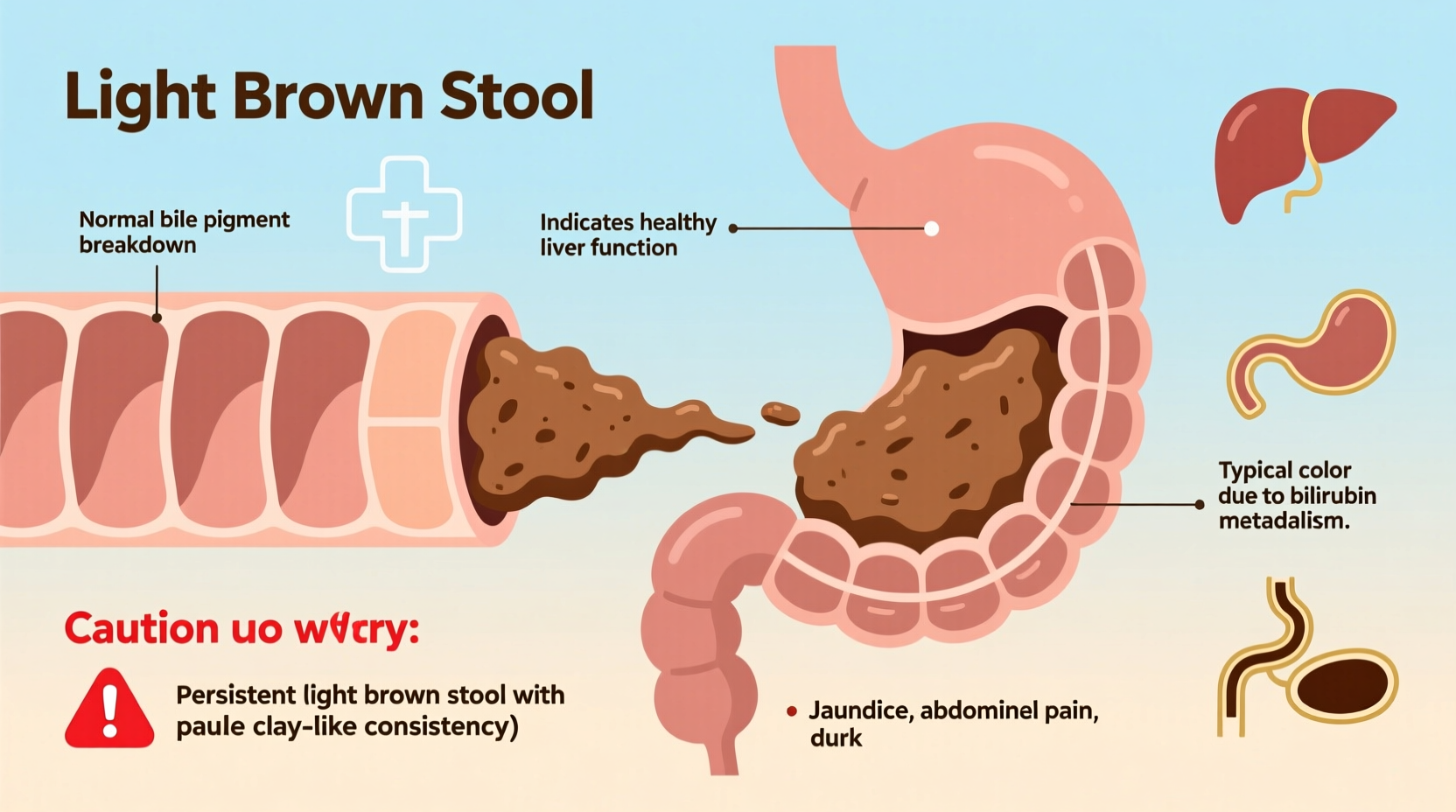
Stool color primarily results from bile, a digestive fluid produced by the liver and stored in the gallbladder. Bile starts as a greenish-yellow substance and undergoes chemical changes as it travels through the intestines. The longer it takes for food to move through the digestive tract, the more time bile has to break down, which typically results in medium to dark brown stools.
Light brown poop occurs when bile pigments are present but not fully transformed. This may happen due to faster transit time through the intestines or slight variations in bile production or release. In most cases, a temporary shift to light brown is harmless and resolves on its own.
Common Causes of Light Brown Poop
Several everyday factors can lead to lighter-than-usual stool color. Most are benign and easily reversible.
- Dietary changes: Consuming large amounts of rice, pasta, bread, or dairy can lighten stool color. Foods low in pigment and high in refined carbohydrates may reduce the intensity of stool color.
- Increased fat intake: High-fat meals, especially those rich in saturated fats, can speed up intestinal transit, reducing bile breakdown and resulting in paler stools.
- Medications: Antacids containing aluminum hydroxide, certain antibiotics, and anti-diarrheal drugs like loperamide can alter stool appearance.
- Supplements: Calcium and iron supplements may influence digestion and stool tone, sometimes leading to lighter shades.
- Mild dehydration: When the body lacks sufficient fluids, digestion slows, and bile concentration may fluctuate temporarily.
In these cases, returning to a balanced diet and staying hydrated often restores normal stool color within a day or two.
When Light Brown Poop May Signal a Problem
While occasional light brown stool isn’t alarming, persistent pale, clay-colored, or chalky bowel movements should not be ignored. These could indicate issues with the liver, gallbladder, or pancreas—organs responsible for producing or delivering bile.
Bile duct obstruction, hepatitis, cirrhosis, or gallstones can prevent adequate bile from reaching the intestines, resulting in pale or grayish stools. If bile flow is significantly reduced, stool may lose its typical brown hue entirely.
“Persistent changes in stool color, especially toward pale or clay-like appearances, warrant evaluation. It could reflect impaired bile excretion.” — Dr. Alan Reyes, Gastroenterologist
Symptoms That Require Medical Attention
Light brown poop becomes concerning when accompanied by other symptoms. Seek prompt medical evaluation if you experience:
- Pale or clay-colored stools lasting more than 2–3 days
- Dark urine (like tea or cola)
- Abdominal pain, especially in the upper right quadrant
- Jaundice (yellowing of skin or eyes)
- Nausea, vomiting, or unexplained weight loss
- Fever or chills
Diagnostic Process and Testing
If abnormal stool color persists, a healthcare provider may order tests to assess liver and pancreatic function. Common diagnostic steps include:
- Medical history review: Discussion of diet, medications, alcohol use, and symptom onset.
- Physical examination: Checking for abdominal tenderness, liver enlargement, or jaundice.
- Blood tests: Liver enzyme levels (ALT, AST, ALP), bilirubin, and pancreatic markers (amylase, lipase).
- Imaging: Ultrasound, CT scan, or MRI to visualize the liver, gallbladder, and bile ducts.
- Stool analysis: In some cases, testing for fat content or infections.
Early diagnosis of conditions like gallstones or hepatitis improves outcomes significantly. For example, gallstones blocking the common bile duct can often be removed endoscopically without surgery if caught early.
Preventive Measures and Digestive Health Tips
Maintaining healthy digestion reduces the risk of both temporary and serious causes of light brown stool. A proactive approach supports long-term wellness.
Daily Habits for Optimal Digestion
| Habit | Benefit | How to Implement |
|---|---|---|
| Stay hydrated | Supports bile flow and prevents constipation | Drink at least 8 glasses of water daily |
| Eat balanced meals | Provides nutrients for liver and gut health | Include lean protein, healthy fats, and fiber |
| Limits processed foods | Reduces strain on liver and digestion | Choose whole foods over packaged snacks |
| Moderate alcohol | Protects liver function | Follow recommended limits (1 drink/day for women, 2 for men) |
| Exercise regularly | Encourages healthy gut motility | Aim for 30 minutes of activity most days |
Real-Life Example: Recognizing a Hidden Issue
Sarah, a 42-year-old teacher, noticed her stool had turned consistently light tan over a two-week period. She initially dismissed it, attributing it to increased yogurt and toast consumption. However, she began experiencing fatigue, itching, and darker urine. Concerned, she visited her doctor. Blood tests revealed elevated liver enzymes and bilirubin. An ultrasound detected a small gallstone obstructing her bile duct. After a minimally invasive procedure to remove the stone, her stool returned to normal within days. Sarah’s case highlights how subtle changes in stool color, when combined with other symptoms, can reveal significant health issues.
FAQ: Common Questions About Light Brown Poop
Is light brown poop always a sign of a problem?
No. Light brown stool is often normal and can result from diet, hydration, or minor digestive changes. It only becomes concerning if it persists beyond a few days or is accompanied by other symptoms like jaundice, pain, or dark urine.
Can medications cause light colored stools?
Yes. Certain antacids, antibiotics, and cholesterol-lowering drugs can affect bile processing or intestinal transit, leading to lighter stool. Always review medication side effects with your pharmacist or doctor.
How quickly should I see a doctor if my stool stays light brown?
If the color change lasts more than three days and doesn’t improve with dietary adjustments—or if you develop additional symptoms—schedule a medical evaluation. Early assessment prevents complications.
Action Plan: What to Do If You Notice Light Brown Stool
- Observe for 2–3 days: Track stool color, frequency, and any associated symptoms.
- Review recent changes: Consider new foods, supplements, or medications.
- Hydrate and eat balanced meals: Support digestion with water and whole foods.
- Check for red flags: Look for dark urine, abdominal pain, or yellowing skin.
- Contact your doctor: If symptoms persist or worsen, schedule an appointment for further evaluation.
Conclusion
Light brown poop is usually a temporary and harmless variation in bowel habits. However, it can occasionally point to deeper digestive or liver-related concerns, especially when persistent or paired with other symptoms. By paying attention to your body, maintaining healthy lifestyle habits, and seeking timely medical advice when needed, you can safeguard your digestive health and catch potential issues early.




 浙公网安备
33010002000092号
浙公网安备
33010002000092号 浙B2-20120091-4
Comments
No comments yet. Why don't you start the discussion?