
Choosing the right carpet color for your home is more than a matter of style—it directly impacts how clean your space appears over time. While light and dark carpets each offer aesthetic appeal and functional benefits, one key concern stands out: visibility of dirt and stains. Homeowners, renters, and interior designers alike face this dilemma when selecting flooring. Understanding how each shade performs under real-life conditions can help you make a decision that balances beauty with practicality.
The Visibility Factor: How Light and Dark Carpets React to Soil
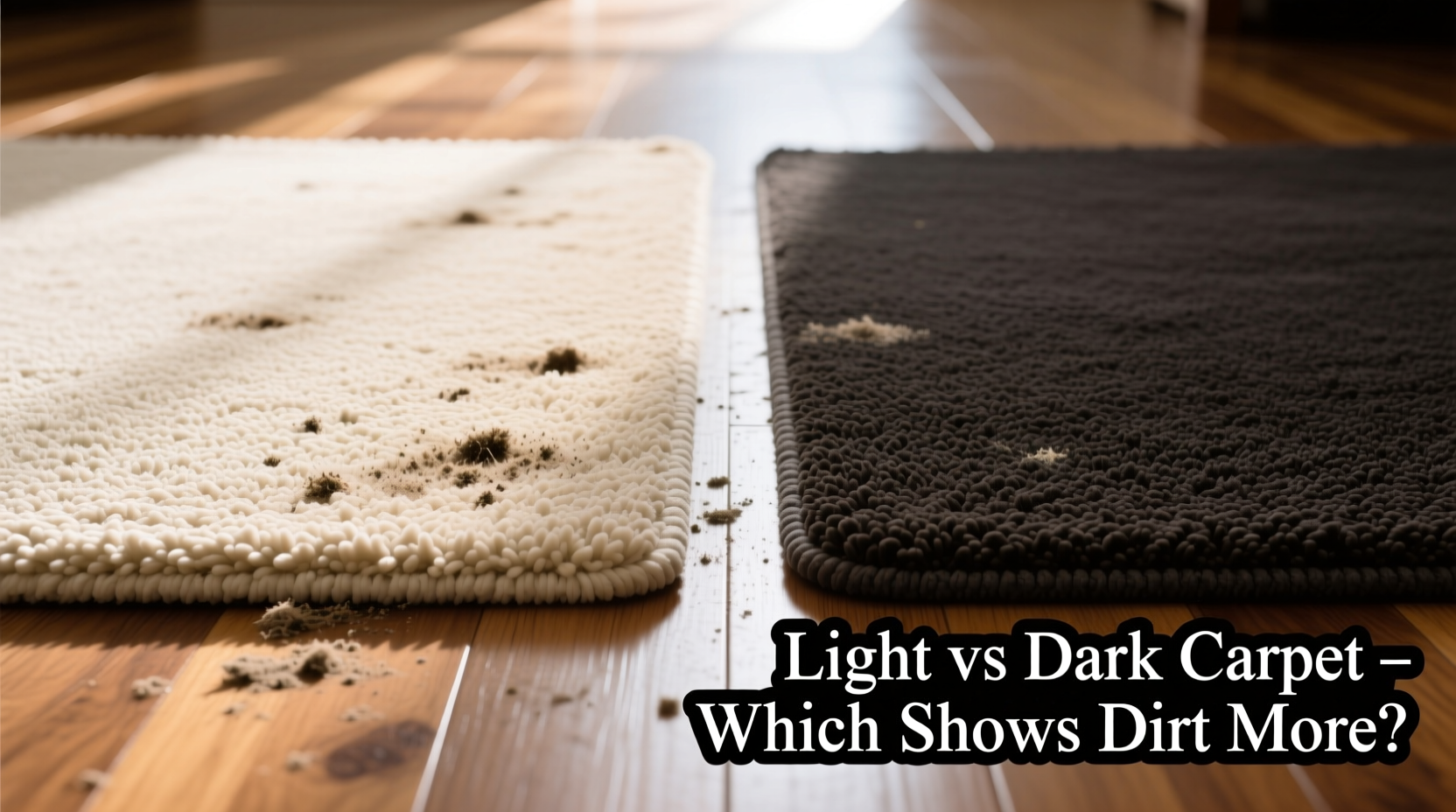
Carpets act as filters for airborne particles, foot traffic debris, and accidental spills. The color of the carpet determines how quickly these elements become noticeable. Light-colored carpets—especially whites, creams, and soft grays—tend to show dust, pet hair, and scuff marks almost immediately. A single footprint in a darker environment can stand out vividly on a pale surface. This high contrast makes maintenance feel more urgent, even if the actual level of soiling isn’t severe.
In contrast, dark carpets—such as charcoal, deep brown, or navy—absorb light rather than reflect it, masking small particles like lint, sand, and fine dust. However, they are not immune to visibility issues. Light-colored soils, such as white chalk, spilled milk, or certain cleaning residues, can appear stark against a black or dark gray background. Moreover, wear patterns from furniture movement or heavy foot traffic often leave noticeable fading or sheen differences on dark fibers, creating a \"polished\" look that signals age and use.
Stain Performance: Real-World Scenarios
Liquids behave differently depending on carpet color. On light carpets, dark spills—coffee, red wine, or muddy water—create immediate visual alarms. These stains are easier to spot early, allowing for faster intervention. However, because the contrast is so dramatic, even a well-cleaned area may leave a faint shadow or discoloration that remains visible.
Dark carpets handle dark liquids better. A drop of coffee on a black rug might go unnoticed until cleaned, reducing stress over minor accidents. But lighter spills—like milk, juice, or vomit—can set quickly and blend into the fibers unless addressed promptly. Once dried, these organic stains may yellow or attract more dirt, worsening their appearance over time.
Synthetic fibers like nylon and polyester dominate the market due to their stain resistance, especially when treated with protective coatings. However, color still plays a role: a stained dark carpet may not reveal the full extent of contamination until professionally cleaned, potentially allowing mold or odor to develop unnoticed.
Mini Case Study: The Family Living Room Dilemma
A suburban family with two young children and a golden retriever chose a light beige carpet for their living room, aiming for a bright, open aesthetic. Within three months, footprints, crayon marks, and occasional pet accidents made the space look perpetually unclean despite weekly vacuuming and spot cleaning. They switched to a medium-toned heather gray carpet the following year. The new color masked everyday wear far more effectively, requiring fewer deep cleans and maintaining a fresher appearance between maintenance sessions. The change didn’t reduce mess—it simply reduced visual stress.
Comparative Analysis: Light vs Dark Carpet Traits
| Feature | Light Carpet | Dark Carpet |
|---|---|---|
| Dust & Lint Visibility | High – shows fine particles clearly | Low – blends most dry soils |
| Pet Hair & Dander | Very visible, especially dark hair | Less visible on matching tones |
| Liquid Stains (dark) | Extremely visible | Often camouflaged |
| Liquid Stains (light) | May be less obvious | Highly visible (e.g., milk, urine) |
| Traffic Wear & Fading | Shows less pile distortion | Shows shine patterns and matting |
| Perceived Cleanliness | Looks dirty quickly | Appears cleaner longer |
| Allergen Accumulation Risk | More likely to prompt frequent cleaning | May delay cleaning due to hidden buildup |
“Carpet color influences perception more than hygiene. A dark carpet may look clean, but without regular maintenance, it can harbor more allergens and odors than a lighter one that’s cleaned frequently out of necessity.” — Dr. Lena Patel, Indoor Air Quality Specialist
Action Plan: Choosing and Maintaining Based on Lifestyle
Your household’s daily routine should guide your carpet color decision. High-traffic homes with pets and children benefit from textured, medium-toned carpets in earthy hues. These shades disguise messes while avoiding the extreme contrasts that highlight imperfections. For formal spaces used occasionally, light carpets can remain pristine with disciplined upkeep.
Regardless of color, consistent care is non-negotiable. Follow this step-by-step maintenance timeline:
- Daily: Spot clean spills immediately using a clean cloth and mild detergent solution. Blot—never rub—to prevent fiber damage.
- Weekly: Vacuum all carpeted areas at least twice, focusing on entryways and hallways. Use a HEPA-filter vacuum to capture fine particles.
- Monthly: Rotate rugs and furniture to prevent permanent indentations and uneven wear.
- Every 6 Months: Schedule professional steam cleaning to remove embedded soils and restore fiber resilience.
- Annually: Inspect for signs of wear, moth damage, or moisture retention, especially under furniture.
Checklist: Picking the Right Carpet Color for Your Home
- Assess foot traffic: high-use areas favor darker or patterned carpets
- Evaluate pet and child activity levels
- Consider natural lighting—dark carpets can make rooms feel smaller
- Test samples in your space at different times of day
- Choose textures (e.g., twist pile, berber) that hide soil better than flat weaves
- Opt for stain-resistant fiber treatments, especially in kitchens and playrooms
- Match carpet color to common local soils (e.g., red clay areas may avoid light tan)
Frequently Asked Questions
Does a dark carpet make a room look smaller?
Yes, dark colors absorb light and can create a cozier but more enclosed feeling. In small or low-light rooms, this effect may feel oppressive. To counteract it, pair dark carpets with light walls, reflective surfaces, and ample lighting.
Which carpet color lasts the longest visually?
Mid-tone neutrals—such as greige (gray-beige), soft taupe, or mushroom—tend to maintain their fresh appearance the longest. They resist both dark stains and light soil visibility better than extremes. Additionally, subtly patterned carpets extend visual longevity by diffusing spots and wear.
Can I have a light carpet in a busy household?
You can, but it requires commitment. Light carpets in high-activity homes demand near-daily vacuuming, immediate spill response, and frequent professional cleaning. If convenience is a priority, consider washable area rugs over hard flooring instead.
Final Thoughts: Balancing Aesthetics and Practicality
The debate between light and dark carpet isn’t about which is objectively better—it’s about alignment with your lifestyle. Light carpets radiate brightness and openness but reveal every speck of dust. Dark carpets exude sophistication and conceal daily chaos but risk hidden buildup and wear patterns. The smartest choice often lies in the middle: a thoughtfully selected mid-tone with texture and durability engineered for real life.
Don’t let fear of stains dictate your design choices. Instead, equip yourself with knowledge, preventive habits, and quality materials that support both beauty and function. A well-maintained carpet—regardless of shade—reflects care, comfort, and intentionality.




 浙公网安备
33010002000092号
浙公网安备
33010002000092号 浙B2-20120091-4
Comments
No comments yet. Why don't you start the discussion?