
Feeling lightheaded and nauseous at the same time can be disorienting and concerning. These symptoms often occur together because they share underlying physiological pathways involving the nervous system, blood flow, and inner ear balance. While occasional episodes may result from benign triggers like dehydration or hunger, persistent or severe symptoms could indicate a more serious health issue. Understanding the potential causes and knowing how to respond can help you manage discomfort safely and determine when medical evaluation is necessary.
Common Causes of Lightheadedness and Nausea
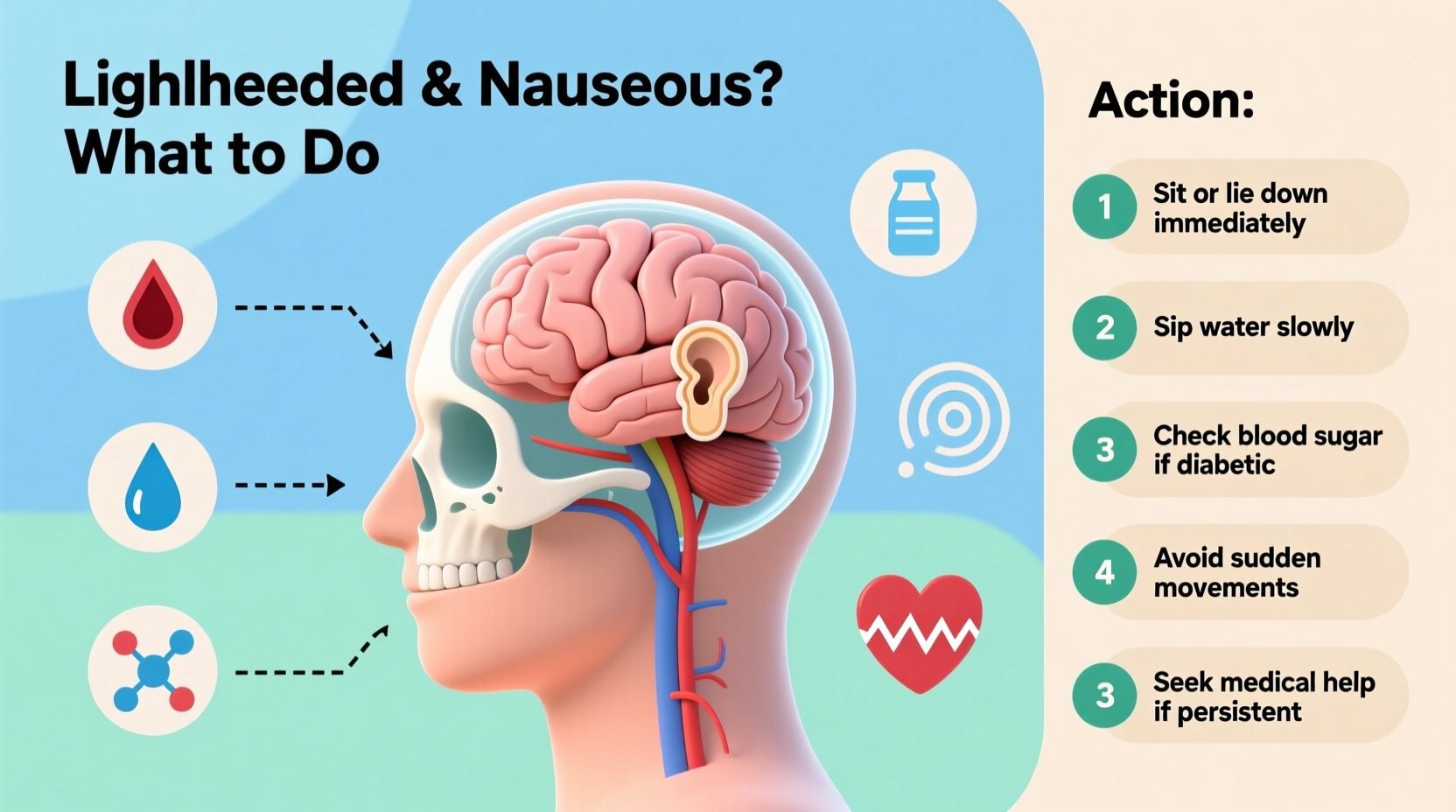
Lightheadedness (a sensation of dizziness or feeling faint) combined with nausea (the urge to vomit) arises from disruptions in the brain’s regulation of balance, blood pressure, or gastrointestinal function. The body’s systems are interconnected—so a disturbance in one area often affects others.
- Low blood sugar (hypoglycemia): Skipping meals or intense physical activity without adequate fuel can cause blood glucose to drop, leading to dizziness, shakiness, sweating, and nausea.
- Dehydration: Inadequate fluid intake, excessive sweating, vomiting, or diarrhea reduce blood volume, lowering blood pressure and triggering lightheadedness and queasiness.
- Inner ear disorders: Conditions like vertigo, labyrinthitis, or Meniere’s disease disrupt the vestibular system, which controls balance. This often results in spinning sensations, imbalance, and nausea.
- Orthostatic hypotension: A sudden drop in blood pressure upon standing up too quickly causes temporary lightheadedness and sometimes nausea, especially in older adults or those on certain medications.
- Anxiety or panic attacks: Hyperventilation and adrenaline surges during anxiety episodes can lead to dizziness, chest tightness, and stomach upset.
- Pregnancy: Early pregnancy commonly causes nausea (morning sickness) and hormonal changes that affect blood pressure, contributing to lightheadedness.
- Infections: Viral illnesses such as the flu or stomach bugs impact both the digestive tract and overall energy levels, producing these dual symptoms.
When to Seek Medical Attention
Most cases of lightheadedness and nausea resolve with rest and hydration. However, some warning signs suggest a more urgent condition requiring immediate care. Recognizing these red flags can be life-saving.
“Sudden dizziness accompanied by chest pain, slurred speech, or limb weakness must be treated as a medical emergency—it could signal a stroke or heart issue.” — Dr. Alan Reyes, Neurologist
Seek emergency help if you experience any of the following:
- Chest pain or pressure
- Difficulty speaking or confusion
- Sudden vision changes or double vision
- Severe headache unlike any before
- Fainting or loss of consciousness
- Rapid or irregular heartbeat
- Symptoms lasting more than an hour without improvement
For recurring but non-emergent episodes, schedule a visit with your primary care provider. They may evaluate for conditions such as anemia, arrhythmias, neurological disorders, or chronic inner ear problems.
Step-by-Step Guide: What to Do When Symptoms Strike
If you begin to feel lightheaded and nauseous, follow this practical timeline to stabilize your condition and prevent worsening:
- Sit or lie down immediately: Prevent falls by lowering yourself to the ground or reclining. Elevate your legs slightly if possible to improve blood return to the brain.
- Stay still and breathe slowly: Close your eyes and take deep, controlled breaths. Rapid breathing worsens dizziness and can intensify nausea.
- Hydrate cautiously: Sip small amounts of water, clear broth, or an electrolyte solution. Avoid large gulps, which may trigger vomiting.
- Eat something light if low blood sugar is suspected: Try a few crackers, a banana, or a tablespoon of honey. Wait 15 minutes to assess improvement.
- Monitor symptoms: Note how long symptoms last, whether they worsen with movement, and if other signs appear (e.g., sweating, palpitations).
- Rest in a quiet space: Reduce sensory input—dim lights, avoid screens, and stay away from strong odors that might increase nausea.
- Seek help if no improvement occurs within 30–60 minutes, or if symptoms escalate.
Do’s and Don’ts: Quick Reference Table
| Do’s | Don’ts |
|---|---|
| Drink water or oral rehydration solutions | Consume caffeine or alcohol |
| Eat small, bland meals when nauseous | Eat greasy, spicy, or heavy foods |
| Rise slowly from sitting or lying positions | Stand up quickly after lying down |
| Keep a symptom journal (timing, triggers, duration) | Ignore frequent or worsening episodes |
| Use ginger tea or peppermint to ease nausea | Take over-the-counter medication without diagnosis |
Real-Life Scenario: Recognizing a Pattern
Sarah, a 34-year-old office worker, began experiencing weekly episodes of lightheadedness and nausea mid-morning. She initially dismissed them as stress-related, but after nearly fainting during a meeting, she decided to investigate. By tracking her symptoms, she noticed they occurred only on days she skipped breakfast and drank minimal water. Her doctor confirmed mild hypoglycemia and dehydration. With simple changes—eating a balanced breakfast and carrying a water bottle—her symptoms resolved completely within two weeks. Sarah’s case illustrates how identifying patterns can uncover easily treatable root causes.
Prevention Checklist
To reduce the likelihood of future episodes, incorporate these evidence-based practices into your daily routine:
- ✅ Eat regular, balanced meals with protein and complex carbohydrates
- ✅ Drink at least 8 cups (64 oz) of fluids daily, more in hot weather or during exercise
- ✅ Limit alcohol and caffeine, both of which can dehydrate and affect blood pressure
- ✅ Practice slow movements when changing positions (sit → stand)
- ✅ Manage stress through mindfulness, yoga, or breathing exercises
- ✅ Monitor blood pressure periodically, especially if on medications
- ✅ Consult your doctor before starting new supplements or medications known to affect dizziness
Frequently Asked Questions
Can anxiety really cause both lightheadedness and nausea?
Yes. During periods of heightened anxiety, the body activates its “fight-or-flight” response. This increases heart rate, alters breathing patterns, and diverts blood flow, all of which can lead to dizziness and gastrointestinal distress. Hyperventilation reduces carbon dioxide levels in the blood, further contributing to lightheadedness.
Is it normal to feel dizzy and nauseous during pregnancy?
Very common, especially in the first trimester. Hormonal shifts relax blood vessels, lowering blood pressure, while increased sensitivity to smells and digestive changes contribute to nausea. Staying hydrated, eating small frequent meals, and avoiding overheated environments can help manage symptoms.
Can certain medications cause these symptoms?
Absolutely. Blood pressure drugs, antidepressants, sedatives, and some antibiotics are known to cause dizziness and nausea as side effects. Always review medication side effects with your pharmacist and report persistent issues to your prescribing doctor.
Conclusion: Take Control of Your Well-Being
Lightheadedness and nausea are symptoms—not diagnoses—and their meaning depends on context. While many causes are minor and self-limiting, ignoring recurring or severe episodes risks missing underlying health concerns. You know your body best. Pay attention to patterns, act early, and don’t hesitate to seek professional insight. Small lifestyle adjustments often make a significant difference, but medical evaluation ensures safety when uncertainty remains.




 浙公网安备
33010002000092号
浙公网安备
33010002000092号 浙B2-20120091-4
Comments
No comments yet. Why don't you start the discussion?