
When it comes to staying comfortable during daily commutes, weekend errands, or casual outings, choosing the right outerwear matters. Two popular options—lightweight jackets and cycling jackets—often appear similar at first glance. Both are designed to be portable, breathable, and weather-resistant. However, their intended purposes differ significantly, and understanding those differences can help you make a smarter choice for everyday wear.
A lightweight jacket is typically built for general urban use, offering subtle protection from wind and light rain while prioritizing style and versatility. A cycling jacket, on the other hand, is engineered for performance—optimized for breathability, moisture management, and visibility during physical activity. While both have merits, only one may truly suit your day-to-day needs depending on your lifestyle, climate, and fashion preferences.
Understanding the Core Differences
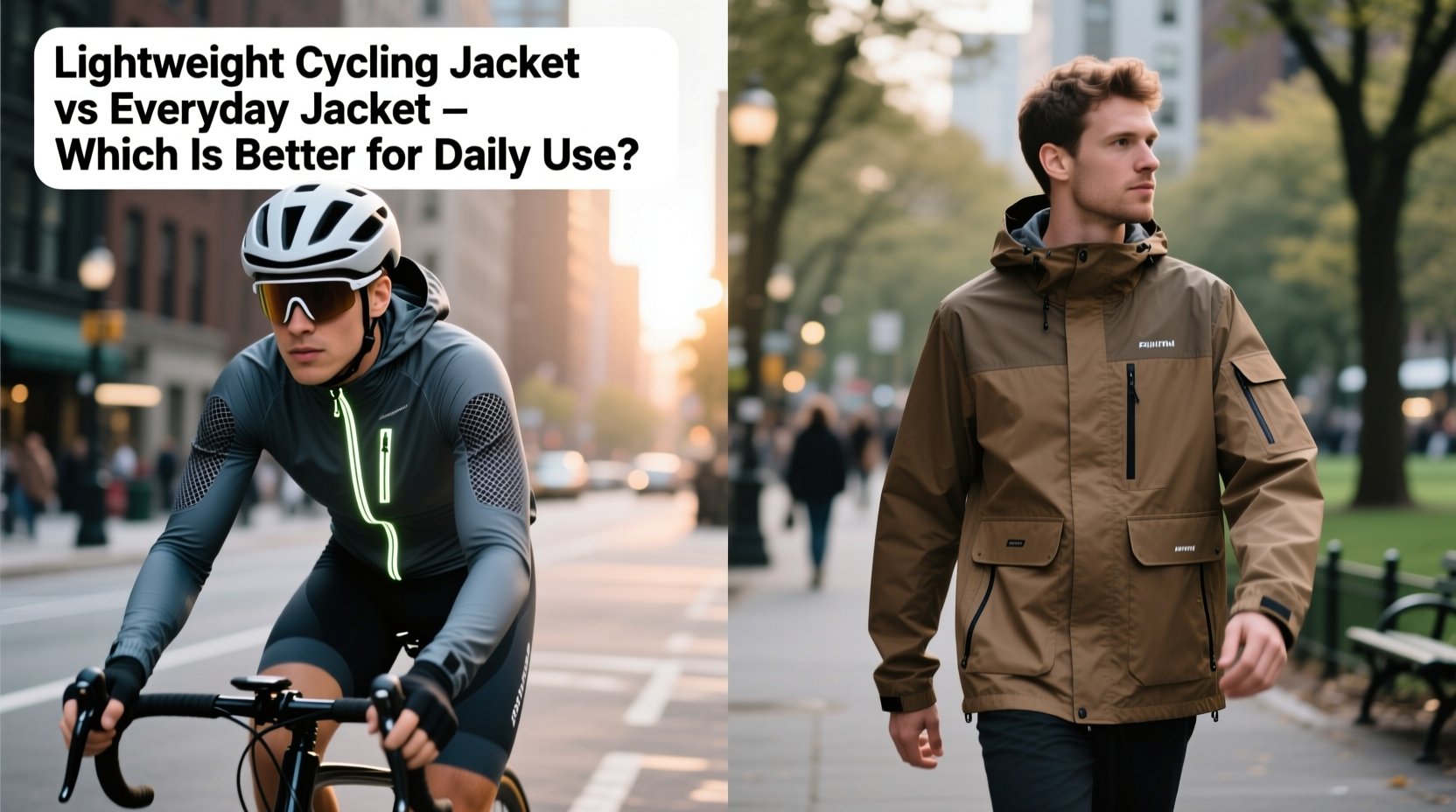
The fundamental distinction lies in design intent. Lightweight jackets are made for passive wear—slipping on over a shirt when the temperature dips or stepping outside into a drizzle. They’re often constructed with minimal insulation, soft linings, and clean silhouettes that integrate well into casual or semi-formal wardrobes.
Cycling jackets, by contrast, are built for motion. They feature articulated sleeves, stretch panels, longer hems to cover the back while leaning forward, and high-visibility elements like reflective strips. Many include ventilation zippers, underarm gussets, and waterproof membranes such as Gore-Tex or proprietary laminates designed to handle sustained exposure to rain and sweat.
This functional divergence means that while a cycling jacket might outperform a basic lightweight shell in a downpour, it could feel overly technical, restrictive, or out of place in office environments or social settings.
“Performance gear excels in its niche, but everyday wear demands balance between function and form.” — Lena Patel, Urban Apparel Designer
Weather Protection: Real-World Performance
Rain resistance is often a deciding factor. Most lightweight jackets use water-repellent coatings (DWR) that shed light moisture but may saturate under prolonged exposure. Once the outer fabric soaks through—a phenomenon known as “wetting out”—the jacket loses its ability to breathe, leading to internal condensation.
Cycling jackets usually incorporate fully taped seams and waterproof-breathable membranes, making them far more reliable in heavy or extended rain. Brands like Castelli, Rapha, and Pearl Izumi build their outerwear to endure hours of riding in wet conditions without compromising core temperature regulation.
However, unless you're regularly caught in storms during your commute, this level of protection may be overkill. For cities with mild, intermittent showers, a well-made lightweight jacket with a good DWR finish is often sufficient—and much more comfortable during dry spells.
Comfort and Wearability Throughout the Day
Everyday clothing should move with you—not against you. Lightweight jackets win here in terms of all-day comfort. Their simpler construction avoids excess bulk, fits naturally over various layers, and doesn’t restrict movement when sitting at a desk or walking through a store.
Cycling jackets, due to their race-inspired cuts, often fit snugly to reduce wind drag. This tightness can feel constricting when not pedaling, especially across the shoulders and arms. Additionally, features like drop tails and helmet-compatible hoods aren't necessary—and sometimes awkward—when you're not on a bike.
Breathability is another trade-off. While cycling jackets manage sweat effectively during exertion, they can feel too airy or thin in cooler indoor environments like offices or cafes. Lightweight jackets frequently offer better thermal balance for mixed indoor-outdoor routines.
Style and Versatility Comparison
Fashion plays a major role in daily wear decisions. Lightweight jackets come in a broad range of styles: bomber, field, coach, trench-inspired, and minimalist windbreakers. These easily pair with jeans, chinos, or even smart-casual outfits.
Cycling jackets tend to look sporty, with bold branding, bright colors, and technical fabrics that scream \"athleisure.\" While acceptable in fitness-centric cultures or bike-commuting hubs, they may clash with professional attire or evening wear.
If blending into diverse environments matters to you—say, transitioning from a morning ride to a work meeting—consider a hybrid option: some brands now offer “commuter” jackets that borrow performance materials but adopt a subtler aesthetic.
| Feature | Lightweight Jacket | Cycling Jacket |
|---|---|---|
| Water Resistance | Moderate (DWR-treated) | High (waterproof membranes) |
| Breathability | Fair to good | Excellent (during activity) |
| Fit | Relaxed, natural drape | Slim, aerodynamic cut |
| Style Flexibility | High (works with many outfits) | Low to moderate (sport-focused) |
| Packability | Very packable | Packable (but bulkier due to lining) |
| Durability | Good (lighter fabrics) | Excellent (abrasion-resistant zones) |
Real-Life Scenario: The Commuter’s Dilemma
Take James, a graphic designer who bikes 3 miles to work each morning in Seattle. His route includes hills, traffic, and frequent rain. Initially, he bought a sleek nylon lightweight jacket because it looked sharp and folded into his bag. But after two weeks of damp mornings, he arrived at the office chilled and slightly sweaty, the jacket soaked through by mile two.
He switched to a premium cycling jacket with sealed seams and pit zips. Now, even in steady rain, he stays dry and ventilated. The downside? Coworkers comment on his “racing gear,” and he feels underdressed at client meetings. On non-riding days, he wears a separate lightweight parka just to look appropriate.
Eventually, James invests in a hybrid commuter jacket—waterproof, moderately styled, with discreet reflectivity. It bridges the gap perfectly: functional enough for wet rides, neutral enough for office culture.
How to Choose Based on Your Lifestyle
Selecting the right jacket depends less on specs and more on how you live. Ask yourself these questions:
- Do I bike regularly, or just occasionally?
- Am I exposed to long durations of rain, or just quick showers?
- Do I value looking polished, or am I okay with athletic aesthetics?
- Will I wear this indoors, or just outdoors?
- Do I need high visibility for safety?
If your answer leans toward occasional biking, mixed use, and style-conscious dressing, a high-quality lightweight jacket is likely your best bet. Look for models with durable water resistance, articulated shoulders, and understated details.
If you cycle daily, especially in variable weather, a true cycling jacket offers unmatched protection and comfort in motion. Just be prepared to change at your destination if appearance matters.
Checklist: Choosing Your Everyday Jacket
- Assess your primary use: commuting, walking, biking?
- Check local weather patterns—how often do you face rain?
- Evaluate your wardrobe: does a sporty look fit in?
- Try both types on—notice fit, noise, and ease of movement.
- Look for hidden features: packability, ventilation, hood adjustability.
- Consider a hybrid if you split time between activities.
Frequently Asked Questions
Can I wear a cycling jacket casually?
Yes, but with limitations. In casual or active-lifestyle environments, a cycling jacket can work. However, in professional or formal settings, it may appear out of place due to its technical look and tight fit.
Are lightweight jackets warm enough for winter?
Not typically. Most are designed as outer shells for layering. In cold climates, pair them with a sweater or mid-layer fleece. For standalone warmth, consider insulated variants or heavier coats.
Do cycling jackets last longer than lightweight ones?
Generally, yes. Reinforced elbows, abrasion-resistant panels, and higher-grade zippers contribute to greater durability. However, longevity also depends on frequency of use and care.
Final Recommendation
For most people navigating city life—walking to transit, grabbing coffee, running errands—a well-designed lightweight jacket offers the ideal blend of practicality, comfort, and style. It handles typical weather, transitions seamlessly between settings, and maintains a put-together appearance.
Cycling jackets are superior in extreme conditions and during intense activity, but their specialized design sacrifices everyday versatility. Unless you're logging serious miles weekly, the extra performance may not justify the compromise in wearability.
The smart solution? Own both—but lead with the lightweight option for daily rotation. Add a cycling-specific jacket only if your routine demands it, or opt for a thoughtfully designed hybrid that merges utility with discretion.




 浙公网安备
33010002000092号
浙公网安备
33010002000092号 浙B2-20120091-4
Comments
No comments yet. Why don't you start the discussion?