
When summer heat turns your bedroom into a sauna, your sheets can be the difference between restful sleep and restless tossing. For hot sleepers, choosing the right fabric isn’t just about comfort—it’s about thermoregulation, airflow, and long-term durability. Two of the most popular natural fiber options—linen and cotton percale—both claim to offer cool, breathable sleep. But which one truly delivers when temperatures rise?
This comparison dives deep into the science, feel, and real-world performance of linen and cotton percale sheets. From fiber origin to moisture management, we’ll examine how each performs under summer conditions so you can make an informed decision based on your sleep needs.
Fiber Origins and Fabric Construction
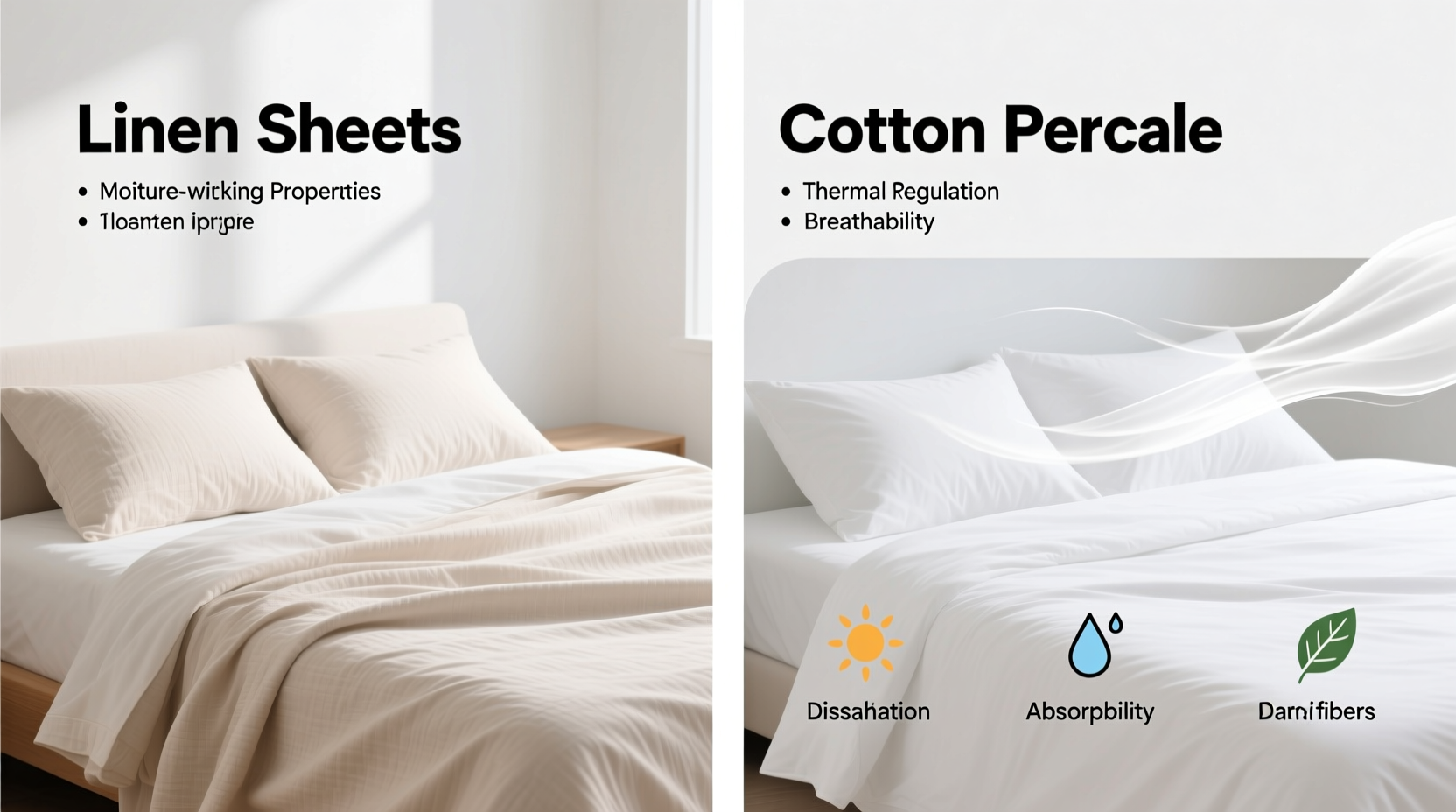
Linen and cotton percale start from different plants and are processed in distinct ways, resulting in unique textures and functional properties.
Linen is made from the flax plant (*Linum usitatissimum*). The fibers are extracted from the stalks through a process called retting, then spun into yarn. Linen is known for its strength, low elasticity, and exceptional ability to wick moisture. It becomes softer with each wash but retains a slightly textured, slubby handfeel that many describe as “lived-in” luxury.
Cotton percale, on the other hand, refers not just to the fiber (cotton) but also to the weave. Percale uses a plain 1x1 weave—over one thread, under one thread—which creates a crisp, matte finish. While cotton can be woven into sateen or twill, percale is specifically designed for breathability and lightness. High-quality percale typically has a thread count between 200 and 400, avoiding the density that can trap heat.
The structural differences matter: linen fibers are hollow, allowing air to circulate more freely within the yarn itself. Cotton fibers are solid, so breathability depends largely on the weave. In this regard, percale’s open structure gives it an edge over other cotton weaves—but how does it stack up against linen?
Breathability and Temperature Regulation
For hot sleepers, breathability is non-negotiable. Both fabrics allow airflow, but they manage heat differently.
Linen excels at passive cooling. Its fibers conduct heat away from the body efficiently and dry quickly after absorbing sweat. Studies have shown that linen can reduce skin temperature by up to 2°C compared to synthetic blends, thanks to its high thermal conductivity and moisture-wicking capacity. Because linen absorbs up to 20% of its weight in moisture before feeling damp, it pulls sweat away from the skin without clinging.
Cotton percale is also highly breathable due to its tight yet open weave. It doesn’t conduct heat as effectively as linen, but its lightweight nature prevents insulation buildup. However, once cotton becomes saturated with moisture, it dries more slowly than linen—sometimes taking hours longer. This can lead to a clammy sensation during particularly humid nights.
Maintenance and Long-Term Performance
Durability and care routines influence not only longevity but also comfort over time.
Linen is one of the strongest natural fibers, resistant to pilling and abrasion. With proper washing—preferably in cool water on a gentle cycle—linen sheets can last 5–10 years or more. They soften significantly with repeated laundering and develop a relaxed drape that many find appealing. However, linen wrinkles easily, even straight out of the dryer. Some users embrace this rumpled aesthetic; others find it requires more effort to maintain a polished look.
Cotton percale is machine-washable and generally easier to iron due to its smooth surface. High-thread-count versions may begin to break down after 2–3 years of frequent washing, especially if exposed to high heat. Over time, percale can lose some crispness and become slightly less breathable as fibers degrade. Still, it remains a favorite for those who prefer a hotel-like feel—crisp, clean, and neatly pressed.
“Natural fibers like linen and cotton are inherently better for temperature regulation than synthetics, but linen’s microstructure gives it a measurable advantage in moisture dispersion and heat dissipation.” — Dr. Lena Patel, Textile Scientist, University of Leeds
Side-by-Side Comparison: Linen vs Cotton Percale
| Feature | Linen Sheets | Cotton Percale Sheets |
|---|---|---|
| Material Source | Flax plant | Cotton plant |
| Weave Type | Plain or basket weave | 1x1 percale (plain) |
| Moisture Absorption | Up to 20% of weight | Up to 7% of weight |
| Drying Speed | Very fast | Moderate |
| Breathability | Excellent (hollow fibers) | Very good (open weave) |
| Durability | High (stronger than cotton) | Moderate to high |
| Wrinkling | High (naturally crinkled) | Low to moderate |
| Initial Feel | Rustic, textured | Crisp, smooth |
| Ideal for Humid Climates? | Yes | Yes, but less effective than linen |
Real-World Sleep Test: A Mini Case Study
Sarah, a 38-year-old software engineer living in Miami, struggled with night sweats during summer months. Her previous cotton sateen sheets felt sticky by midnight, despite using a fan and keeping her AC at 72°F. She decided to test two sets: premium European linen and a 300-thread-count organic cotton percale.
Over four weeks, she rotated weekly and tracked her sleep quality using a wearable device. During the linen week, her average skin temperature dropped 1.8°F compared to the sateen baseline. She reported waking up only once due to heat, versus three times during the percale week. While she appreciated the crispness of percale, she noted that it didn’t “pull sweat away” as effectively as linen.
After the trial, Sarah switched entirely to linen. “It’s not as polished-looking,” she said, “but I sleep cooler, wake up drier, and don’t have to change my sheets mid-week anymore.”
How to Choose Based on Your Needs
Choosing between linen and cotton percale comes down to personal priorities. Use this checklist to guide your decision:
- ✅ Do you frequently wake up hot or sweaty? → Lean toward linen.
- ✅ Do you live in a humid climate? → Linen handles moisture better.
- ✅ Do you prefer a crisp, hotel-style bed? → Cotton percale fits best.
- ✅ Are you sensitive to texture? → Percale is smoother; linen is coarser initially.
- ✅ Do you want long-term durability? → Linen lasts longer with proper care.
- ✅ Is wrinkle resistance important? → Choose cotton percale.
Care Tips for Maximum Coolness
No matter which fabric you choose, maintenance affects performance. Follow these steps to keep your sheets functioning optimally in summer:
- Wash in cold water to preserve fiber integrity and prevent shrinkage.
- Avoid fabric softeners, which coat fibers and reduce breathability.
- Tumble dry on low or air-dry to minimize damage and static.
- Rotate sheet sets weekly to extend lifespan and ensure freshness.
- Store in a cool, ventilated drawer—avoid plastic bins that trap moisture.
Frequently Asked Questions
Are linen sheets worth the higher price?
Yes, for hot sleepers. Linen sheets typically cost 20–50% more than premium cotton percale, but their superior moisture management, durability, and cooling properties justify the investment. Over five years, the cost per use is often lower due to extended lifespan.
Can I use linen sheets year-round?
Absolutely. While ideal for summer, linen adapts well to colder months. Layer with a blanket or duvet, and the fabric’s insulating properties help retain warmth without overheating. Many users appreciate its year-round versatility.
Do cotton percale sheets get softer over time?
Yes, but moderately. Unlike linen, which undergoes a dramatic softening process, percale gains slight suppleness with washing but retains its crisp character. Some brands pre-wash their percale to accelerate this process.
Final Recommendation
For hot sleepers seeking maximum relief during summer, **linen sheets hold a clear advantage**. Their natural thermoregulation, rapid moisture evaporation, and long-term resilience make them the top performer in high-heat environments. While cotton percale offers a cleaner aesthetic and easier pressing, it falls short in sustained cooling and humidity control.
If you prioritize function over form and value staying dry and comfortable throughout the night, linen is the superior choice. However, if you love the structured feel of freshly made hotel beds and don’t experience extreme night sweating, high-quality cotton percale remains a solid, accessible option.
Ultimately, the best sheets are the ones that let you fall asleep quickly and stay asleep through the heat. Consider starting with a single linen pillowcase or flat sheet to test compatibility with your sleep habits. Once you experience true breathability, you may never go back to conventional cotton.




 浙公网安备
33010002000092号
浙公网安备
33010002000092号 浙B2-20120091-4
Comments
No comments yet. Why don't you start the discussion?