
For cat owners, a clean home often hinges on one critical factor: managing litter box odors effectively. While air fresheners and scented litters may offer temporary relief, they do nothing to address the root cause of unpleasant smells. Ammonia from urine breakdown, bacterial growth in feces, and moisture retention in litter are the real culprits. To truly eliminate odor, you must attack it at the source—not cover it up. This guide outlines actionable, scientifically supported methods to neutralize litter box smells where they start, ensuring a healthier environment for both pets and people.
Understanding the Science Behind Litter Box Smells
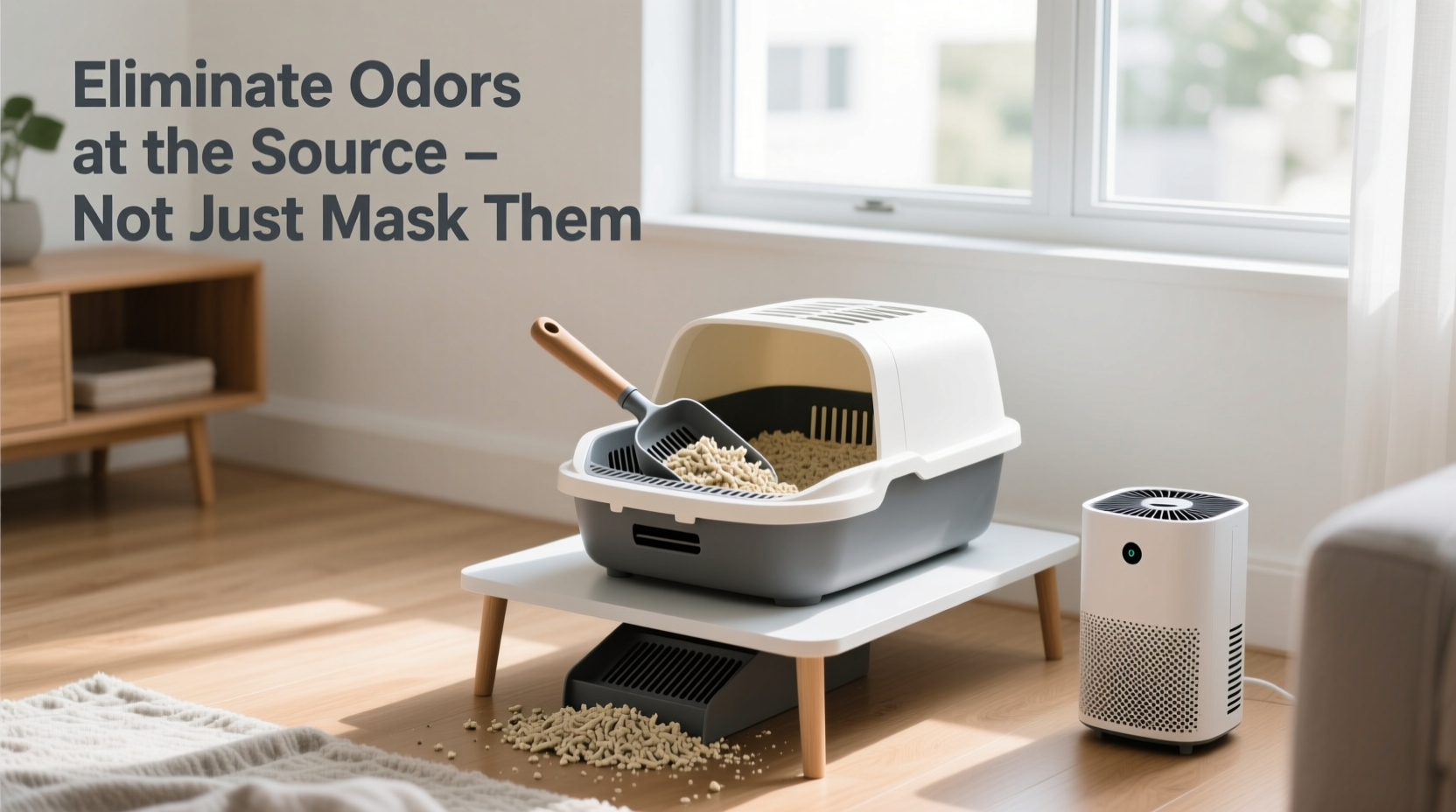
Litter box odor isn’t just an inconvenience—it’s a biological process. When cats urinate, urea in the urine begins breaking down almost immediately due to bacterial action, releasing ammonia gas. Feces contribute hydrogen sulfide and other volatile organic compounds (VOCs), which produce the familiar “rotten egg” or sour stench. These gases are not only offensive but can be harmful with prolonged exposure, especially for individuals with respiratory sensitivities.
Most commercial solutions focus on masking these odors with perfumes or charcoal filters. However, fragrances don’t stop bacterial activity—they simply compete with it. True elimination requires disrupting the conditions that allow odor-causing compounds to form in the first place: moisture, waste accumulation, and poor ventilation.
“Odor control starts with understanding microbial activity. You can’t out-spray biology—you have to outsmart it.” — Dr. Lena Pruitt, DVM, Feline Health Researcher
Step-by-Step Guide to Eliminating Odor at the Source
The most effective way to eliminate litter box smells is through a consistent, multi-layered approach. Follow this 5-step protocol to tackle odor where it begins:
- Choose the Right Litter Type
Select a clumping, unscented, silica-based or plant-derived litter with high absorbency. Clay clumping litters trap liquid but can harbor odor over time. Silica gel crystals excel at moisture absorption and ammonia suppression. Natural options like pine, wheat, or corn break down waste enzymes and naturally inhibit bacterial growth. - Scoop Daily, Replace Weekly
Remove solid waste and wet clumps every 24 hours. Even if the box looks clean, microscopic residue builds up. Replace the entire litter bed weekly—even with low-tracking formulas—to prevent deep-seated bacteria colonies. - Clean the Box Thoroughly
Once a week, empty the litter box completely. Wash it with warm water and mild dish soap. Avoid bleach or ammonia-based cleaners, as residual chemicals can react with urine and intensify odors. For stubborn buildup, use a vinegar-water solution (1:1 ratio) and scrub with a non-abrasive brush. - Improve Ventilation
Place the litter box in a well-ventilated area, ideally near an openable window or with a small fan nearby. Stagnant air allows gases to concentrate. Consider installing a quiet bathroom exhaust fan if the box is indoors. - Add a Carbon Filter or Air Purifier
Use an air purifier with a true HEPA and activated carbon filter within 6–8 feet of the litter box. These units capture airborne particles and adsorb VOCs, reducing ambient odor before it spreads.
Do’s and Don’ts: A Practical Comparison Table
| Do | Don’t |
|---|---|
| Use unscented, high-absorbency litter – Fragrance-free options reduce respiratory irritation and avoid mixing scents with waste gases. | Rely on scented litter – Perfumes can worsen indoor air quality and confuse cats, leading to avoidance. |
| Provide one extra box – The rule is: number of cats plus one. More boxes reduce overcrowding and waste concentration. | Use only one box for multiple cats – Leads to territorial stress and irregular use, increasing odor hotspots. |
| Wash liners and mats weekly – Litter mats trap tracked waste; liners hold moisture if not replaced. | Leave mats unwashed for weeks – They become secondary sources of odor and bacteria. |
| Opt for larger, open-top boxes – Cats prefer space; bigger boxes reduce splash and tracking. | Force cats into small, covered boxes – Poor airflow traps odors and discourages use. |
Real-World Case Study: From Overpowering to Odor-Free
Sarah, a pet owner in Portland, struggled with persistent litter box smell despite daily scooping and using premium scented litter. Her two cats used a single covered box in a basement utility room with minimal airflow. Within days, the ammonia was strong enough to irritate her allergies.
She implemented the following changes over two weeks:
- Bought a second, uncovered box and placed it near the laundry room (better ventilation).
- Switched to an unscented pine pellet litter known for enzymatic odor control.
- Installed a $30 USB-powered desk fan nearby to circulate air.
- Started washing the boxes weekly with vinegar instead of bleach.
- Added a compact air purifier with a carbon filter.
Within ten days, Sarah noticed a dramatic difference. The sharp ammonia smell vanished, and she no longer needed to light candles when guests arrived. Most importantly, both cats continued using the boxes consistently, indicating the changes improved—not disrupted—their routine.
Checklist: Your Weekly Odor Prevention Routine
Follow this checklist every seven days to maintain long-term odor control:
- ☑ Scoop waste at least once per day (morning or evening).
- ☑ Replace all litter with fresh product.
- ☑ Empty and wash the box with vinegar or mild soap.
- ☑ Clean the surrounding floor and mat with pet-safe disinfectant.
- ☑ Check air purifier filter; replace if clogged or expired.
- ☑ Inspect box for cracks or scratches where bacteria can hide.
- ☑ Ensure ventilation is unobstructed (fan working, door ajar, etc.).
FAQ: Common Questions About Litter Box Odor Control
Why does my litter box still smell even after scooping?
Scooping removes solids and clumps, but microscopic urine residues remain in the litter and box pores. Over time, these accumulate and foster bacterial growth. Without full replacement and deep cleaning, odor will persist regardless of surface-level maintenance.
Is baking soda safe for cats in litter?
Yes, food-grade baking soda is non-toxic and safe when used in moderation. It works by neutralizing acidic components in urine. However, avoid inhaling large amounts of dust—mix it gently into litter and keep the area ventilated during application.
Can diet affect litter box odor?
Absolutely. High-quality, digestible proteins produce less smelly waste. Diets rich in fillers (like corn or soy) lead to increased fecal volume and stronger odors. Some cat foods include probiotics or fiber blends specifically designed to reduce stool odor. Consult your vet before making dietary changes.
Advanced Strategies for Persistent Odor Problems
If basic measures aren’t enough, consider upgrading your system:
- Self-Cleaning Litter Boxes: Models like the Litter-Robot or PetSafe ScoopFree automatically remove waste within minutes of use, drastically reducing exposure time for odor-producing reactions.
- Enzymatic Cleaners: Use products containing live enzymes (e.g., Nature’s Miracle) on floors, walls, or baseboards near the box. These break down organic residues at a molecular level, unlike traditional cleaners.
- Double-Box System: Place a second tray beneath the main box to catch leaks and overflow. Empty it daily to prevent hidden puddles from festering.
- Litter Lock Mats: Use a sealed-edge mat with a raised border to contain tracked litter and simplify cleanup.
Also, evaluate placement. Avoid storing the box next to furnaces, water heaters, or enclosed closets where heat accelerates bacterial growth. Instead, choose a quiet but open location with natural airflow.
“Odor isn’t just about cleanliness—it’s about timing. The faster waste is isolated, the less chance it has to create lasting smells.” — Dr. Marcus Lin, Environmental Veterinarian
Conclusion: Take Control of Your Home’s Air Quality
Eliminating litter box odors isn’t about overpowering smells with perfume—it’s about creating a system that prevents them from forming. By targeting the biological roots of odor with smart litter choices, rigorous cleaning, proper ventilation, and strategic tools, you can maintain a fresh, healthy home without compromising your cat’s comfort.
This isn’t a one-time fix but a sustainable routine. Every scoop, wash, and filter change adds up to a cleaner living space and better well-being for both you and your feline companion. Start today: empty the box, inspect your supplies, and implement one new habit from this guide. Small changes yield powerful results when done consistently.




 浙公网安备
33010002000092号
浙公网安备
33010002000092号 浙B2-20120091-4
Comments
No comments yet. Why don't you start the discussion?