
Cat owners know that a clean litter box is essential—but even the most diligent scooping routine won’t solve problems if the box is in the wrong place. Poor placement can lead to persistent odors, litter tracking, and even inappropriate elimination. More importantly, it can affect your cat’s emotional well-being. Cats are creatures of habit and sensitivity, and their bathroom habits reflect their comfort level in the home. The right location supports cleanliness, reduces household smells, and fosters a calm, confident feline.
Strategic litter box placement isn’t just about convenience; it’s a balance of hygiene, behavioral science, and environmental design. Whether you live in a studio apartment or a multi-level house, understanding how to position your cat’s litter box effectively can transform both your living space and your pet’s quality of life.
Why Placement Matters More Than You Think
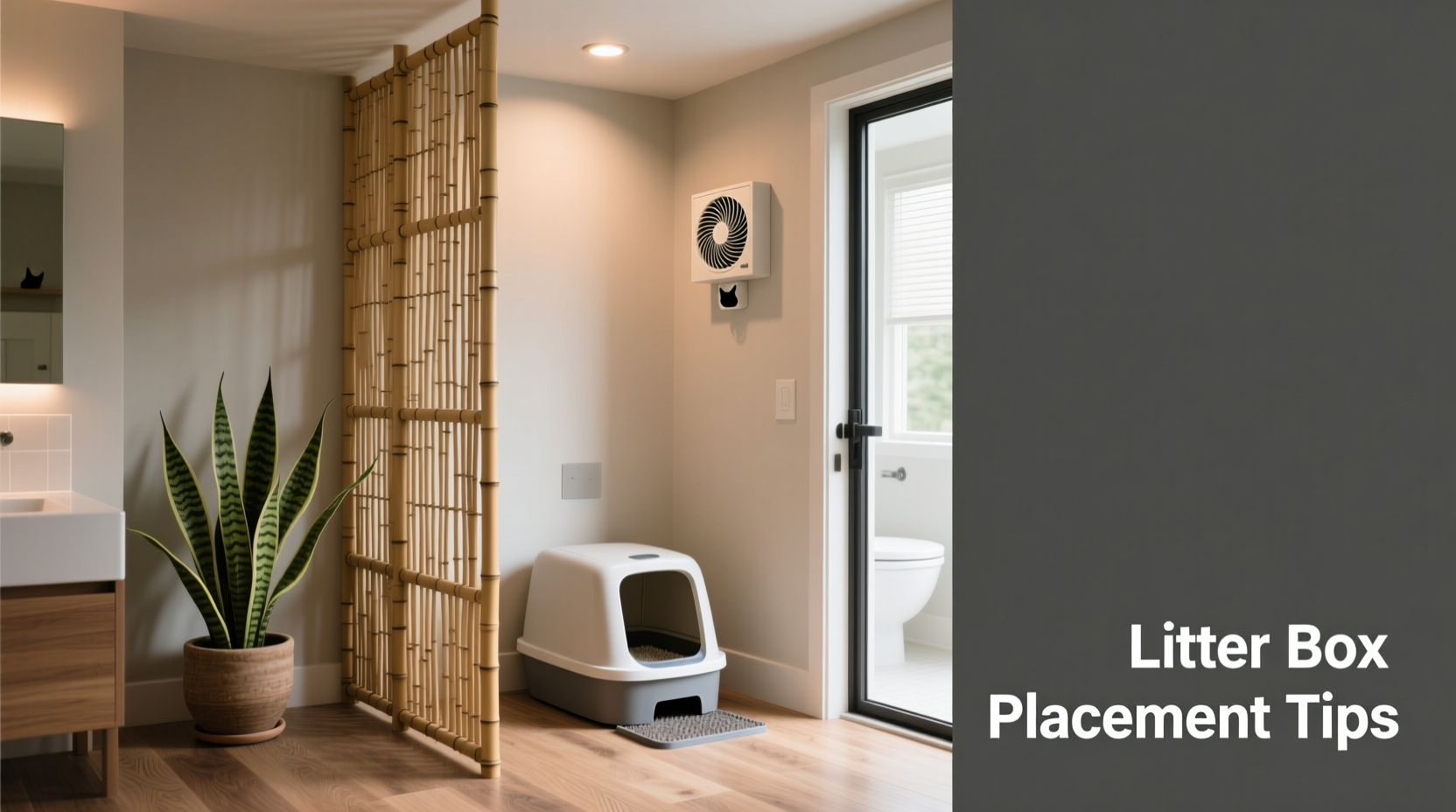
The location of your cat’s litter box influences more than just odor control—it directly impacts your cat’s behavior, health, and sense of security. A poorly placed box may cause your cat to avoid using it altogether, leading to accidents on carpets, furniture, or even in hidden corners of the home. This avoidance often stems from stress, fear, or discomfort related to the environment around the box.
Cats value privacy and safety when eliminating. In the wild, animals seek secluded spots to reduce vulnerability. Your indoor cat retains this instinct. If the litter box is in a high-traffic area, near loud appliances, or beside a noisy washer, your cat may feel exposed and anxious. Over time, this stress can manifest as litter box aversion, urinary issues, or territorial marking.
Odor containment is another critical factor. Even with daily cleaning, ammonia and waste gases accumulate. Placing the box in an enclosed but poorly ventilated space—like a small closet without airflow—can trap smells and make the room unpleasant. Conversely, placing it too openly can spread litter and odor throughout common areas.
“Cats are fastidious by nature. When their litter box environment feels unsafe or unclean, they’ll express it—often through behavior.” — Dr. Lena Reyes, Feline Behavior Specialist
Key Principles for Optimal Litter Box Placement
Successful litter box placement follows a few foundational rules rooted in feline psychology and practical home management. These principles help ensure your cat feels secure while minimizing mess and odor in your living space.
1. Prioritize Quiet and Low-Traffic Areas
Your cat needs peace during bathroom breaks. Choose locations away from foot traffic, such as a spare bathroom, quiet hallway corner, or a dedicated nook in a home office. Avoid placing the box near entryways, kitchens, or children’s play areas where noise and movement are frequent.
2. Ensure Easy Access at All Times
The box should be accessible 24/7, especially for kittens, seniors, or cats with mobility issues. Avoid locking the door to a room containing the only litter box. Stairs, baby gates, or sudden closures can prevent access and lead to accidents.
3. Separate from Food and Water Stations
Cats instinctively avoid eliminating near where they eat. Placing the litter box next to food bowls violates this natural preference and can deter use. Maintain at least a six-foot distance between feeding areas and the litter zone.
4. Consider Multi-Level Homes
If your home has multiple floors, provide at least one litter box per level. Cats dislike long trips, especially when urgency strikes. A second-floor cat shouldn’t have to run downstairs to relieve itself.
5. Avoid Shared Spaces with Loud Appliances
Washing machines, dryers, and furnaces may seem like convenient spots for a litter box, but sudden noises can startle cats. An unexpected spin cycle or heater kick-on can create lasting fear of the area. If you must use a utility room, choose a corner farthest from active machinery and consider sound-dampening solutions.
Do’s and Don’ts of Litter Box Placement
| Do’s | Don’ts |
|---|---|
| Place boxes in quiet, private areas with minimal foot traffic | Put the box in a high-traffic hallway or entryway |
| Ensure good ventilation (near vents or with air purifiers) | Enclose the box in a sealed closet with no airflow |
| Use corner spaces for a sense of enclosure and safety | Place near loud appliances like washers or HVAC units |
| Elevate slightly if drainage is a concern (on a tray or mat) | Set directly on carpet, which traps odor and moisture |
| Provide one box per cat, plus one extra | Share a single box among multiple cats |
Step-by-Step Guide to Finding the Best Spot
Finding the ideal location isn’t guesswork—it’s a process of observation, testing, and adjustment. Follow these steps to identify the best possible spot for your cat’s litter box.
- Assess your home layout. Map out quiet zones, ventilation sources, and existing cat activity areas. Look for underutilized corners or secondary rooms.
- Identify potential candidates. List 2–3 possible locations based on privacy, accessibility, and separation from food.
- Test one location at a time. Place the box in the first candidate area for 3–5 days. Observe your cat’s behavior: Are they using it confidently? Do they approach without hesitation?
- Monitor for odor buildup. Check the surrounding air quality daily. Use a fan or air purifier if needed to test ventilation effectiveness.
- Adjust based on feedback. If your cat avoids the box or shows signs of stress (circling, sniffing without using), move it to the next candidate spot.
- Finalize and maintain. Once you find a successful location, commit to keeping it consistent. Sudden moves can reset the adaptation process.
Real-Life Example: Solving Odor and Avoidance in a Two-Cat Home
Sarah, a cat owner in Portland, struggled with persistent litter odor despite daily scooping. Her two cats, Milo and Luna, were also having occasional accidents outside the box. The litter box was in the basement laundry room—convenient for her, but problematic for the cats.
After consulting a feline behaviorist, Sarah realized the issue: the dryer would rumble unexpectedly, startling the cats mid-use. Additionally, the room had poor airflow, trapping ammonia smells. The box was also the only one for two cats, violating the “one plus one” rule.
She moved one box to a quiet upstairs bathroom and kept a second in a ventilated corner of the basement, now positioned far from the washer. She added an air purifier and placed both boxes on washable mats. Within a week, accidents stopped, and household odors significantly decreased. Most importantly, both cats began using the boxes consistently and without hesitation.
This case illustrates how combining behavioral insight with strategic placement leads to tangible improvements in both hygiene and feline well-being.
Odor Control Through Smart Design and Maintenance
Even with perfect placement, odor will persist without proper maintenance. However, the right location amplifies your cleaning efforts. Here’s how to maximize odor containment:
- Use covered or top-entry boxes in open areas. These help contain dust and smell but ensure adequate ventilation to prevent ammonia buildup inside.
- Invest in carbon-filtered air purifiers. Units designed for pet odors can neutralize volatile compounds before they spread.
- Place boxes on non-porous flooring. Tile, vinyl, or laminate resist odor absorption better than carpet or wood.
- Use odor-neutralizing mats. Position washable litter mats underneath and around the box to trap particles and reduce tracking.
- Deep clean weekly. Empty, scrub with mild soap and water, and replace litter entirely at least once a week to prevent bacterial growth.
“Odor isn’t just a nuisance—it’s a signal. Persistent smells mean waste is breaking down in ways that harm air quality and irritate sensitive respiratory systems, including your cat’s.” — Dr. Alan Meeks, Veterinary Environmental Health Researcher
Checklist: Is Your Litter Box in the Right Place?
Use this checklist to evaluate your current setup or plan a new one:
- ✅ Located in a quiet, low-traffic area
- ✅ At least 6 feet away from food and water bowls
- ✅ Accessible 24/7, with no barriers
- ✅ On each floor of a multi-level home
- ✅ Away from loud appliances or sudden noises
- ✅ In a well-ventilated space or paired with an air purifier
- ✅ One box per cat, plus one extra
- ✅ Positioned on easy-to-clean flooring with a litter mat
- ✅ Not hidden behind closed doors or in dark, confined closets
- ✅ Free of strong-smelling cleaners or air fresheners nearby
Frequently Asked Questions
Can I keep the litter box in the bathroom?
Yes, bathrooms can be excellent locations—especially guest bathrooms not in constant use. Just ensure the door stays open, the room is well-ventilated, and the box isn’t tucked too tightly behind the toilet where it’s hard to clean. Avoid placing it directly under a vent that blows air downward, as this can scatter litter.
What if I live in a small apartment?
In compact spaces, prioritize corners with visual barriers, such as behind a tall piece of furniture or in a partitioned nook. Use a covered box to contain odor and litter, and run an air purifier nearby. Consider vertical space: some cat owners use custom cabinets with cutouts to hide the box while maintaining accessibility.
Why does my cat scratch the wall after using the box?
This behavior often indicates dissatisfaction with the surroundings. It could mean the area feels too exposed, lacks privacy, or has lingering odors. Reevaluate placement, increase enclosure (e.g., with a screen or half-wall), and ensure thorough cleaning. Scratching may also be marking behavior if the cat feels insecure about the space.
Final Thoughts: Creating Harmony Through Thoughtful Placement
A well-placed litter box does more than manage waste—it supports your cat’s dignity, reduces household stress, and preserves indoor air quality. By aligning placement with your cat’s instincts and your home’s layout, you create an environment where both species thrive. The effort you invest in thoughtful positioning pays off in fewer odors, cleaner floors, and a happier, healthier cat.
Remember, consistency is key. Once you find the right spot, stick with it. Cats appreciate predictability, and a stable litter environment reinforces their sense of safety. Combine smart placement with regular maintenance, and you’ll enjoy a harmonious home where both you and your cat feel comfortable.




 浙公网安备
33010002000092号
浙公网安备
33010002000092号 浙B2-20120091-4
Comments
No comments yet. Why don't you start the discussion?