
For individuals with noise sensitivity—whether due to autism, ADHD, migraines, or general auditory hypersensitivity—finding the right ear protection can be life-changing. Loop Earplugs has emerged as a leader in this space, offering stylish, high-fidelity hearing protection designed not just to block sound, but to preserve clarity while reducing volume. Among their most popular models are the Loop Engage and the Loop Experience. While both promise relief from overwhelming noise, they differ significantly in design, performance, and ideal use cases. Understanding these differences is essential for choosing the one that aligns best with your sensory needs.
Understanding Noise Sensitivity and Hearing Protection Needs
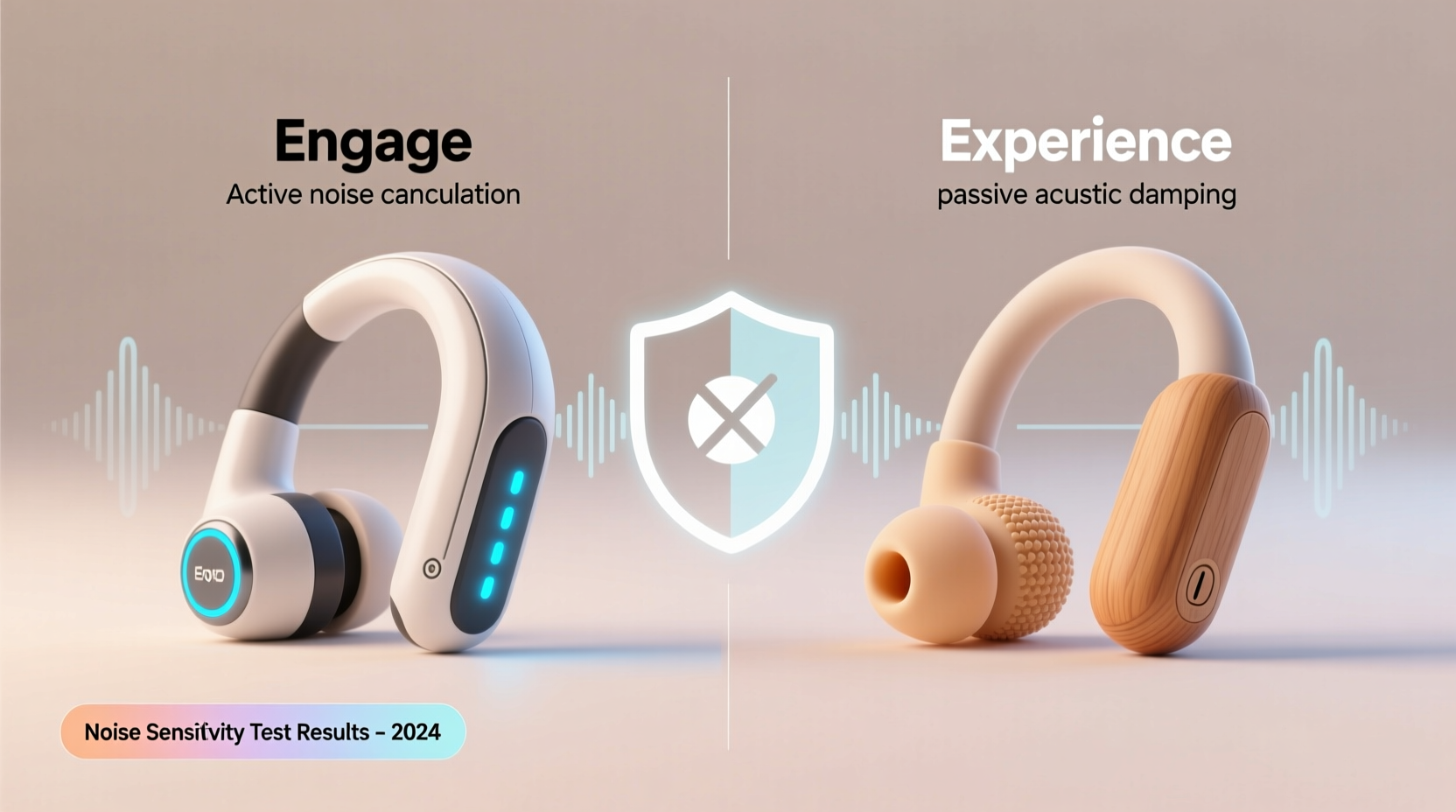
Noise sensitivity isn’t just about disliking loud environments—it’s a neurological response where certain sounds trigger discomfort, anxiety, or even physical pain. Common triggers include crowded restaurants, public transit, fluorescent lighting hum, or sudden high-pitched noises. For those affected, everyday situations can become exhausting or unbearable without proper support.
Traditional foam earplugs often muffle all sound, creating a sense of isolation or imbalance. High-fidelity earplugs like Loop’s aim to solve this by evenly attenuating frequencies so speech remains intelligible and ambient noise is reduced—not eliminated. This makes them ideal for social interactions, workspaces, travel, and sensory-overload prevention.
The Loop Engage and Loop Experience both use precision-engineered filters to deliver balanced sound reduction. However, their structural design, fit, and acoustic profiles vary enough to make one more suitable than the other depending on your lifestyle and sensitivity thresholds.
Design and Fit: Key Differences Between Engage and Experience
The most noticeable distinction between the two models lies in their shape and how they sit in the ear. These factors directly impact comfort during extended wear and effectiveness in blocking intrusive noise.
- Loop Engage: Features a low-profile, rounded design that sits flush inside the ear canal. It’s made from soft silicone and includes an ergonomic stem that helps secure it in place. The shallow fit makes it less likely to trigger the occlusion effect (the “in-your-head” echo some people feel with deeper earplugs).
- Loop Experience: Has a slightly larger, winged design with flexible fins that grip the contours of the outer ear. This provides a more secure seal, especially during movement, and offers deeper insertion for higher noise attenuation.
The Engage prioritizes discretion and comfort for all-day wear, while the Experience leans toward maximum sound reduction and stability—important for highly stimulating environments.
Sound Attenuation Comparison
Both models use Loop’s proprietary Filter Technology, but the level and balance of noise reduction differ based on design and filter type.
| Model | NRR (Noise Reduction Rating) | Attenuation Profile | Best For |
|---|---|---|---|
| Loop Engage | Approx. 23 dB | Even across frequencies; preserves speech clarity | Offices, light crowds, studying, daily commutes |
| Loop Experience | Approx. 33 dB | Greater mid-to-high frequency blocking | Loud concerts, airports, construction zones, sensory overload scenarios |
The Experience’s higher NRR means it blocks nearly 10 dB more sound than the Engage—making it significantly more effective in extremely noisy settings. However, this increased attenuation can sometimes make conversations harder to follow unless you're in close proximity to the speaker.
For those with moderate noise sensitivity, the Engage may provide just enough relief without disconnecting them from their environment. But for severe sensitivity—such as in autism or post-concussion syndrome—the extra buffering of the Experience can mean the difference between enduring an event and being able to participate at all.
“Patients with hyperacusis benefit most from earplugs that reduce overall volume without distorting pitch or tone. Loop’s flat-response filters help maintain auditory context, which supports cognitive processing.” — Dr. Lena Patel, Audiologist & Sensory Integration Specialist
Comfort and Wearability: Who Will Tolerate Them Better?
Comfort is critical when managing noise sensitivity. Even the best-performing earplug fails if it causes irritation after 20 minutes.
The Loop Engage excels in long-term comfort. Its minimalist shape avoids deep insertion, making it ideal for people who find traditional earbuds uncomfortable. Many users report wearing them for 6–8 hours during workdays without fatigue. The smooth silicone also resists moisture buildup, reducing the risk of ear canal irritation.
The Loop Experience, while highly effective, requires a firmer seal for optimal performance. The flexible wings create pressure points for some users, particularly those with smaller or uniquely shaped ears. First-time users often need a break-in period of 15–30 minutes before adapting to the sensation.
If you’ve struggled with in-ear devices before—like earbuds or hearing aids—the Engage is likely the gentler starting point. That said, many who initially resist the Experience grow to prefer it once they adjust, citing superior noise blocking as worth the minor discomfort.
Mini Case Study: Office Worker with Migraine Triggers
Sarah, a 34-year-old project manager, experiences migraines triggered by open-plan office noise—particularly HVAC systems and overlapping conversations. She tried standard foam plugs but found them disorienting and isolating. After testing both Loop models, she chose the Engage.
“The Experience blocked too much,” she explained. “I couldn’t hear my coworkers when they approached, and I felt cut off. But the Engage brought the volume down just enough. I still get audio cues, but without the sharp edges of sound that used to set off headaches.”
She now wears her Engage earplugs daily from 9 to 5, reporting a 70% reduction in migraine frequency over three months.
Step-by-Step: How to Choose the Right Model for Your Sensitivity Level
Selecting between the Engage and Experience shouldn’t be guesswork. Follow this decision-making process to match your needs with the right product:
- Assess your typical environments: Do you face constant background noise (e.g., offices), or occasional extreme noise (e.g., concerts, subways)? Mild-to-moderate settings favor the Engage; intense ones lean toward the Experience.
- Evaluate your ear comfort history: Have you tolerated in-ear headphones or earplugs before? If not, start with the shallower Engage model.
- Determine your priority: Is preserving natural sound quality more important than maximum quiet? Choose Engage. Is minimizing sensory input the top goal? Go for Experience.
- Test both if possible: Loop offers bundles or trial packs. Wear each for a full day in a challenging setting and compare mental fatigue, clarity, and physical comfort.
- Adjust expectations: No earplug eliminates all sound perfectly. Success should be measured in reduced stress, fewer meltdowns, or longer endurance in noisy spaces—not silence.
Checklist: Choosing Between Loop Engage and Experience
- ✅ I spend most of my time in moderately noisy environments → Lean toward Engage
- ✅ I attend loud events frequently (concerts, festivals, flights) → Lean toward Experience
- ✅ I have small or sensitive ear canals → Start with Engage
- ✅ I need maximum noise reduction for sensory overload → Experience is stronger
- ✅ I value discretion and all-day wear → Engage is sleeker and lighter
- ✅ I move around a lot during the day → Experience stays in better
- ✅ I struggle to understand speech when wearing earplugs → Try Engage first
Frequently Asked Questions
Can I use Loop Engage or Experience for sleeping?
The Loop Experience offers better noise blocking for sleep, especially if you're disturbed by snoring, traffic, or partner movement. However, its winged design may press against the pillow. Some users remove the wings for side-sleeping. The Engage is flatter and more comfortable for back sleepers but may not block enough sound for light sleepers in noisy homes.
Are Loop earplugs safe for children with noise sensitivity?
Yes, but fit is crucial. The Engage is generally recommended for younger teens and children due to its smaller profile and gentler seal. Always supervise initial use and ensure the child can insert and remove them safely. Consult an audiologist before regular use in children under 12.
Do these help with tinnitus or hyperacusis?
Loop earplugs do not treat tinnitus, but they can prevent further damage by reducing exposure to loud sounds. For hyperacusis, the flat attenuation of Loop filters helps avoid frequency distortion, which can worsen symptoms. Many ENT specialists recommend Loop products as part of a broader sound tolerance management plan.
Final Recommendation: Which One Wins for Noise Sensitivity?
There is no universal “better” option between Loop Engage and Experience—it depends on the individual and their specific sensory challenges.
The Loop Engage is the superior choice for those seeking subtle, everyday protection. It’s ideal for office workers, students, or anyone needing gentle noise buffering without sacrificing environmental awareness. Its comfort and discreet appearance make it sustainable for long-term use.
The Loop Experience, on the other hand, is built for resilience in high-stimulus environments. If your noise sensitivity severely limits your ability to function in public spaces, travel, or social gatherings, the Experience provides the robust defense you need. The trade-off in comfort is often justified by the dramatic reduction in sensory load.
Ultimately, many users find value in owning both. They keep the Engage for daily routines and switch to the Experience when entering particularly challenging acoustic environments.
“The right earplug doesn’t just reduce decibels—it restores agency. When people can control their auditory input, they regain confidence in navigating the world.” — Dr. Marcus Tran, Occupational Therapist specializing in sensory processing
Take Control of Your Sound Environment
Noise sensitivity doesn’t have to dictate your limits. With tools like Loop Engage and Loop Experience, you can reclaim participation in life’s moments—big and small—on your own terms. Whether you prioritize seamless integration into daily life or maximum defense against sensory overwhelm, there’s a Loop model designed to support you.
Start by identifying your primary challenge: Is it constant low-grade noise, or sudden, intense stimulation? Test the model that aligns with your needs, give yourself time to adapt, and track changes in your stress levels and focus. Small adjustments in auditory input can yield profound improvements in well-being.




 浙公网安备
33010002000092号
浙公网安备
33010002000092号 浙B2-20120091-4
Comments
No comments yet. Why don't you start the discussion?