
The sweater debate isn’t new—fashion enthusiasts and casual wearers alike have long wrestled with whether fit should follow form or feeling. On one side, there’s the cozy, relaxed silhouette of the loose sweater; on the other, the clean, tailored look of the fitted version. But beyond aesthetics, does the difference actually impact how we wear, live in, and present ourselves through our clothes? Or is it simply about personal “vibe”? The answer lies somewhere between structure and expression.
The Functional Difference Between Loose and Fitted Sweaters
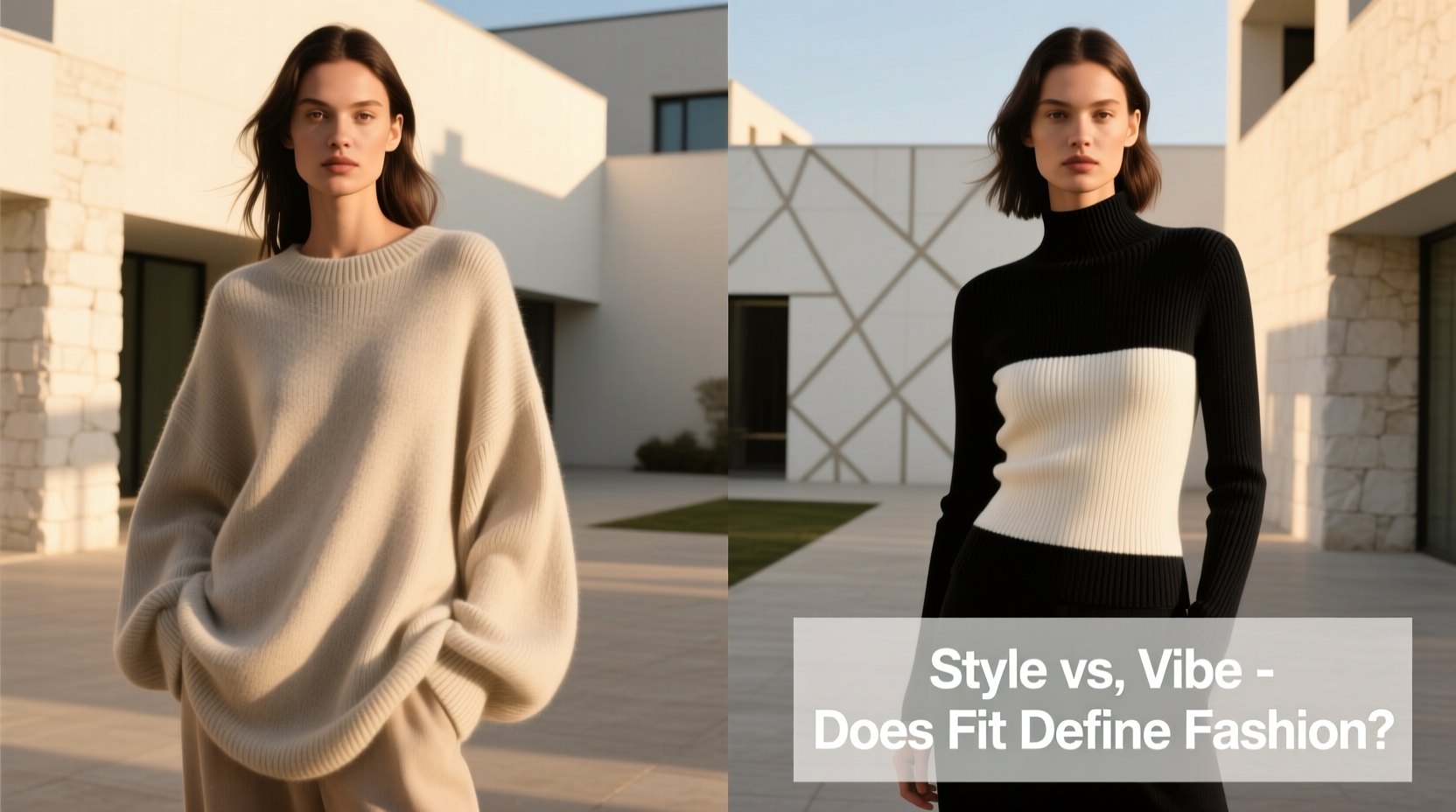
At their core, sweaters serve two primary purposes: warmth and self-expression. How they’re cut directly influences both. A loose sweater typically features extra fabric across the chest, shoulders, and sleeves, creating volume and air pockets that trap heat. This makes it ideal for layering over shirts or even lightweight jackets during colder months. In contrast, a fitted sweater hugs the body closely, minimizing excess material and offering a streamlined profile.
Functionally, loose sweaters excel in insulation and comfort. They allow freedom of movement and are often preferred in casual or loungewear settings. Fitted sweaters, however, offer precision. They maintain shape under outerwear like blazers or coats and are less likely to bunch or ride up when seated. For active use—think walking the dog or commuting—they provide fewer snags and better temperature regulation without overheating.
Style Implications: When Fit Shapes Perception
Fashion is rarely just about utility. The way clothing fits sends subtle social signals. A well-fitted sweater suggests intentionality—it communicates that the wearer pays attention to detail, values proportion, and understands tailoring. It can elevate an outfit from \"casual\" to \"refined,\" especially when paired with chinos or dark jeans.
On the flip side, a loose sweater carries its own language. Oversized knits have become synonymous with effortless cool, intellectual nonchalance, or artistic flair. Think of the poet in a slouchy turtleneck or the designer sketching at a café in a billowy cardigan. These looks aren’t sloppy; they’re curated expressions of comfort and confidence.
“Fit isn’t just about measurements—it’s about presence. A sweater should complement your posture, lifestyle, and energy.” — Lena Park, Menswear Stylist & Creative Director at Threadline Studio
A Practical Comparison: Loose vs Fitted Sweaters
| Feature | Loose Sweater | Fitted Sweater |
|---|---|---|
| Warmth | Higher (traps more air) | Moderate (less insulation space) |
| Mobility | Excellent (unrestricted movement) | Good (close but not restrictive if sized right) |
| Layering Ability | Ideal for multiple layers | Better as a base layer |
| Durability | Potential for shoulder sagging over time | Holds shape longer if cared for properly |
| Formality | Casual to avant-garde | Semi-formal to smart-casual |
| Wardrobe Pairings | Joggers, relaxed denim, boots | Tailored pants, leather shoes, structured coats |
Real-Life Scenario: Choosing the Right Fit for the Occasion
Consider Marcus, a graphic designer who works remotely but meets clients quarterly. On regular days, he wears an oversized merino wool crewneck with cuffed sweatpants and sneakers. It’s comfortable, reflects his creative identity, and allows him to move freely while sketching or video conferencing. But when client presentations roll around, Marcus switches to a slim-fit cashmere V-neck in charcoal gray. Paired with navy trousers and oxfords, the look conveys professionalism without sacrificing softness.
This shift isn’t about conforming—it’s strategic dressing. He uses fit as a tool. The loose sweater expresses his everyday self; the fitted one amplifies credibility in high-stakes moments. His wardrobe isn’t inconsistent; it’s adaptive.
When to Choose Each Style: A Decision Checklist
- Choose a loose sweater if:
- You prioritize comfort and ease of movement
- You frequently layer clothing
- Your environment is cold and requires maximum insulation
- You lean toward minimalist, bohemian, or streetwear aesthetics
- Choose a fitted sweater if:
- You want a polished, put-together appearance
- You wear structured outerwear (trench coats, blazers)
- You work in environments where neatness impacts perception
- You prefer defined silhouettes and balanced proportions
The Role of Fabric and Construction
Fit doesn’t exist in isolation. The choice of material significantly affects how both loose and fitted sweaters perform. For example, cotton and acrylic blends tend to stretch over time, especially in looser cuts. Without proper care, an oversized cotton sweater may lose its shape after repeated washing, turning from intentionally slouchy into unintentionally sloppy.
In contrast, natural fibers like merino wool or cashmere retain elasticity and drape beautifully—even in fitted styles. These materials respond well to body heat and movement, making them ideal for close-fitting designs that need to stay sharp throughout the day.
How to Build a Balanced Sweater Wardrobe
Rather than treating loose and fitted sweaters as opposites, consider integrating both into a cohesive rotation. Here’s a practical step-by-step approach:
- Assess Your Lifestyle Needs: Track how many days per week you spend in casual, professional, or hybrid settings.
- Invest in One Signature Piece: Start with either a premium fitted turtleneck or a high-quality oversized shawl collar cardigan—whichever aligns most with your dominant aesthetic.
- Add Contrast: Introduce the opposite fit in a neutral color (black, gray, beige) to expand versatility.
- Test Layering Combinations: Try each sweater over a dress shirt, under a coat, or with different bottoms to evaluate real-world functionality.
- Evaluate Long-Term Wear: After three months, note which sweater you reach for most often—and why.
This method moves beyond trend-chasing and centers on personal utility. Over time, you’ll develop a nuanced understanding of what “works” beyond surface-level vibes.
FAQ: Common Questions About Sweater Fit
Can a loose sweater look professional?
Yes—if it’s intentional. A high-quality, well-maintained oversized knit in a refined fabric like fine-gauge merino or cashmere can look sophisticated when paired with tailored trousers and minimal accessories. Avoid overly bulky textures or frayed edges in formal contexts.
Do fitted sweaters shrink more than loose ones?
Shrinkage depends on fabric and care, not fit. However, because fitted sweaters are already close to the body, any shrinkage—especially in wool or cotton—will be more noticeable. Always follow care labels to prevent distortion.
Is one style more sustainable than the other?
Not inherently. Sustainability comes down to material sourcing, manufacturing ethics, and longevity. That said, well-made fitted sweaters often last longer due to consistent shaping, while oversized styles may degrade faster if worn loosely and frequently stretched.
Conclusion: Style Matters—But So Does Substance
The question isn’t whether loose or fitted sweaters matter—it’s whether you’re wearing the right one for the moment. Yes, personal vibe plays a role. Confidence transforms any garment. But dismissing fit entirely overlooks how clothing interacts with context, movement, and communication.
Ultimately, the best sweater is the one that feels right on your body and aligns with your life. Whether you gravitate toward the enveloping comfort of a slouchy cable knit or the crisp elegance of a tailored crewneck, make the choice deliberate. Understand the strengths of each style, respect the craftsmanship behind them, and wear them with awareness.




 浙公网安备
33010002000092号
浙公网安备
33010002000092号 浙B2-20120091-4
Comments
No comments yet. Why don't you start the discussion?