
When it comes to protecting your belongings while traveling, two common solutions often come up: luggage covers and built-in locks. Both promise enhanced security, but they serve very different purposes—and their actual effectiveness varies widely depending on context. One is primarily a deterrent and physical protector; the other is a mechanical barrier. Understanding how each works, where they fall short, and when to use them can make the difference between arriving at your destination with peace of mind—or missing valuables.
The truth is, neither solution offers complete protection on its own. However, when used strategically, both can play important roles in safeguarding your luggage. Let’s break down their functions, benefits, and limitations to determine which truly contributes more to keeping your stuff safe.
Understanding Luggage Covers: Protection Beyond Security
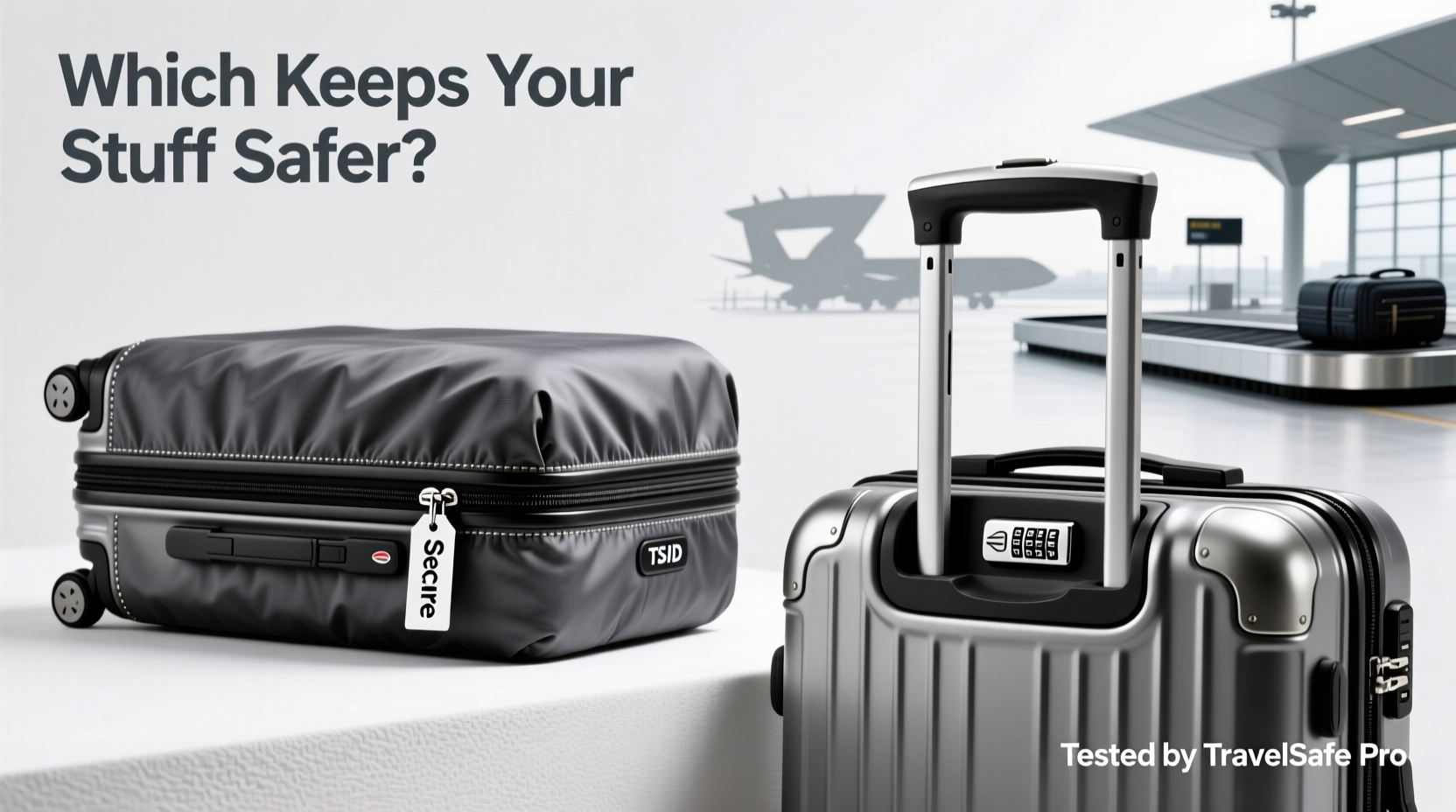
Luggage covers—also known as suitcase sleeves or protective wraps—are stretchable fabric encasements designed to fit over your entire suitcase. They’re typically made from spandex, nylon, or polyester blends and are marketed for both style and protection.
Their primary function isn’t theft prevention but rather protection against external damage. Think scuffs, scratches, spills, dust, and even minor punctures. In high-traffic airports or on crowded baggage carousels, these hazards are real. A luggage cover acts like a shield, absorbing wear that would otherwise degrade your suitcase’s exterior.
Some travelers also use brightly colored or uniquely patterned covers to make their bags easier to spot, reducing the risk of mistaken pickup. Others appreciate the psychological comfort of seeing their bag fully enclosed, giving the impression of added security—even if that perception doesn't always match reality.
Built-In Locks: The Real Theft Deterrent?
Built-in locks, especially TSA-approved combination locks integrated into suitcases, are designed with one goal: prevent unauthorized access. These locks secure zippers and are recognized by Transportation Security Administration officers in the U.S., who can open them using master keys without damaging the case.
While no lock can guarantee 100% safety, a well-designed locking mechanism significantly raises the effort required to tamper with your bag. Opportunistic thieves—such as baggage handlers looking for quick grabs—are less likely to target a locked suitcase, especially when surrounded by dozens of unlocked alternatives.
According to a 2022 report by the U.S. Department of Transportation, approximately 25 million bags are mishandled annually across American airlines. While not all involve theft, unsecured bags are disproportionately affected. A lock won’t stop every thief, but it removes your bag from the “low-hanging fruit” category.
“Locks don’t make luggage impenetrable, but they do reduce casual tampering by 70% or more.” — Mark Reynolds, Aviation Security Consultant and Former TSA Advisor
Comparative Breakdown: Cover vs Lock
To understand which option offers greater protection, consider what kind of threat you're guarding against. Below is a comparison highlighting key differences:
| Feature | Luggage Cover | Built-In Lock |
|---|---|---|
| Primary Purpose | Physical protection (scratches, dirt, moisture) | Access control (theft deterrence) |
| Theft Prevention | Minimal – does not stop zipper pulls from being opened | Moderate – deters casual tampering |
| Durability Boost | High – absorbs impact and abrasion | Low – no external protection |
| Identification Ease | High – unique designs increase visibility | Low – unless color-coded |
| Security Check Convenience | Can delay screening if full cover must be removed | TSA-approved locks allow inspection without damage |
| Cost | $10–$30 | Included in most mid-to-high-end luggage |
Real-World Scenario: What Happens at the Airport?
Consider this common situation: Sarah flies from Chicago to Tokyo with a carry-on and checked bag. Her checked suitcase has a sleek design but no lock. She adds a bright floral luggage cover for style and protection.
During transit, her bag passes through multiple hubs. At one stop, a handler notices the lack of resistance when tugging on the zipper pull. Within seconds, the bag is opened, a wallet and noise-canceling headphones are taken, and it’s resealed. The luggage cover remains intact—visually undisturbed—but the contents are compromised.
Had the suitcase had a TSA-approved lock, the same handler might have moved on quickly, opting for an easier target. The cover alone offered zero resistance to unauthorized access.
This scenario illustrates a critical point: appearance of security ≠ actual security. A luggage cover may make a bag look more protected, but only a lock introduces a meaningful barrier.
Best Practices: Combining Both for Maximum Safety
The smartest approach isn’t choosing between a cover and a lock—it’s using both together. Each addresses a different vulnerability:
- Luggage covers protect against environmental damage and aid identification.
- Built-in locks deter tampering and unauthorized access.
When combined, they create a layered defense strategy. Here’s how to implement it effectively:
- Purchase a suitcase with a TSA-approved integrated lock system.
- Select a luggage cover with a partial zipper or removable flap for easy inspection access.
- Always lock your zippers before checking the bag, even on domestic flights.
- Avoid placing high-value items (passports, jewelry, cash) in checked luggage regardless of security measures.
- Use RFID-blocking pouches inside your bag for added digital protection.
Frequently Asked Questions
Can a luggage cover stop someone from opening my suitcase?
No. Most luggage covers are made of stretchy fabric and do not secure zipper pulls. They offer no real resistance to someone trying to unzip your bag. At best, they obscure the zipper path slightly, but this is not a reliable deterrent.
Are built-in locks enough to keep my luggage safe?
They significantly improve safety but aren’t foolproof. Determined thieves with tools can bypass most locks. However, built-in locks are highly effective against opportunistic tampering—the most common form of luggage theft.
Do airlines recommend luggage covers or locks?
Airlines generally don’t endorse either, but the TSA explicitly recommends using TSA-approved locks. Covers are neutral—they’re allowed but may need to be removed during screening if they obstruct X-ray visibility.
Final Verdict: Which Actually Keeps Your Stuff Safer?
If forced to choose only one, the built-in lock is the clear winner in terms of actual security. It directly addresses the risk of theft by making unauthorized access more difficult. A luggage cover, while useful for preserving your suitcase’s condition and helping you spot it quickly, does little to prevent someone from opening it.
That said, dismissing luggage covers entirely would be shortsighted. Their value lies in longevity and convenience. A well-maintained suitcase is less likely to break open mid-transit, which indirectly improves security. Plus, a damaged bag draws attention—not always in a good way.
The bottom line: **A built-in lock protects what's inside. A luggage cover protects the container itself.** For comprehensive safety, use both. But if your main concern is theft, prioritize the lock every time.
Take Action Today
Your next trip doesn’t have to start with anxiety about lost or stolen items. Audit your current luggage setup. Does your suitcase have a working TSA lock? Is it set to a custom code? If not, upgrade now. If you already have a lock, consider adding a durable luggage cover to extend its life and improve visibility.
Security isn’t about one perfect solution—it’s about layers. Start with the lock, add the cover, pack smartly, and travel with confidence.




 浙公网安备
33010002000092号
浙公网安备
33010002000092号 浙B2-20120091-4
Comments
No comments yet. Why don't you start the discussion?