
Sleep is one of the most fundamental pillars of health, yet many people overlook a critical factor: what they’re sleeping on. While standard bedding may seem like a practical choice, luxury options have gained popularity for their promise of superior comfort, breathability, and longevity. But does upgrading your sheets and duvet covers truly lead to better rest, or is it just marketing hype? The answer depends on materials, craftsmanship, personal preferences, and long-term value.
Luxury bedding isn’t just about brand names or price tags—it often reflects higher thread counts, premium fabrics like Egyptian cotton or silk, advanced weaving techniques, and ethical production standards. On the other hand, standard bedding prioritizes affordability and availability, sometimes at the expense of durability and sensory experience. Understanding the real differences can help determine whether investing in high-end linens improves your sleep quality enough to justify the cost.
Material Matters: What Sets Luxury Bedding Apart
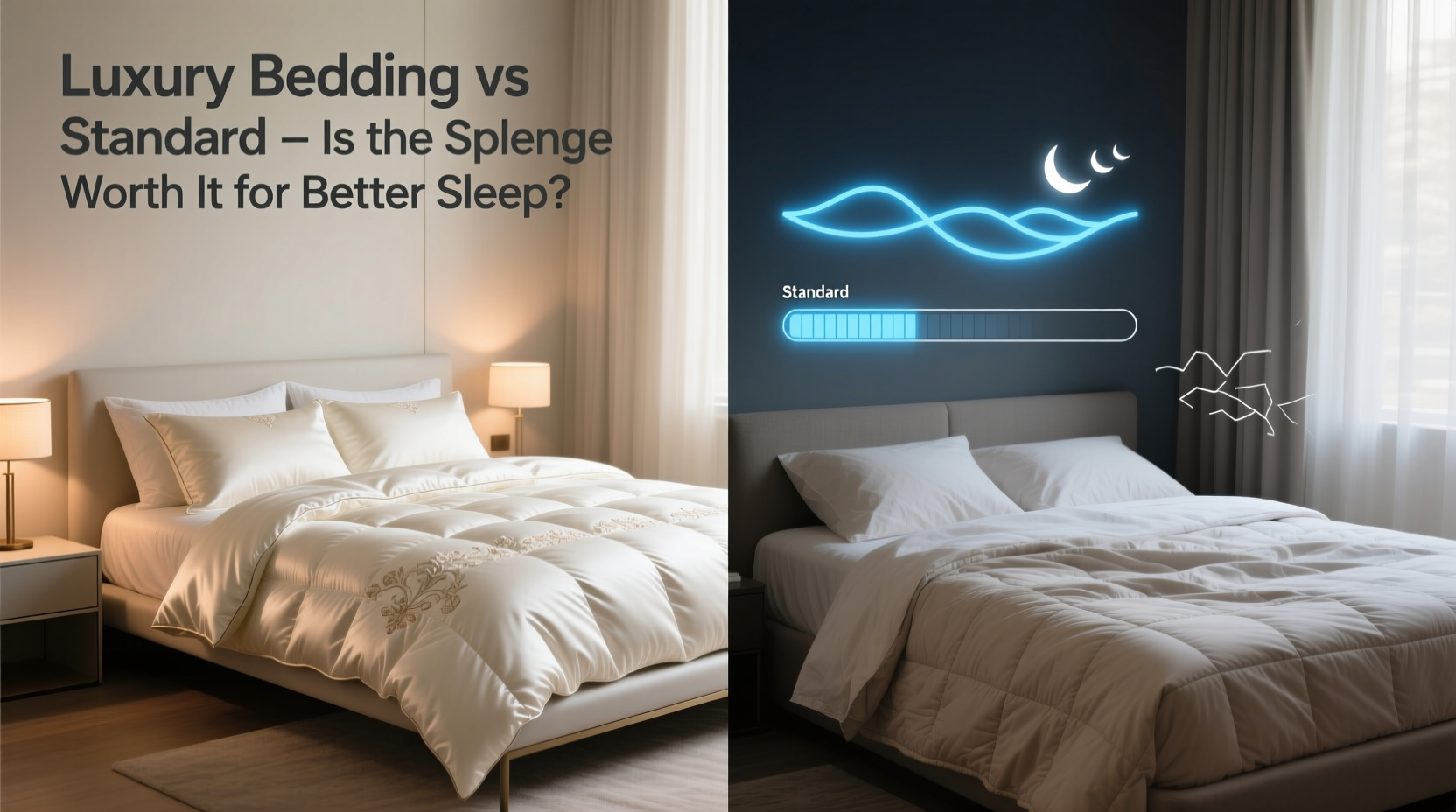
The foundation of any bedding set lies in its fabric. Standard bedding typically uses short-staple cotton, polyester blends, or basic microfiber—materials that are cost-effective but prone to pilling, shrinking, and reduced breathability over time. In contrast, luxury bedding sources longer-staple natural fibers such as Egyptian or Pima cotton, which produce smoother, stronger yarns with fewer loose ends.
These premium fibers result in softer, more lustrous fabrics that feel cool against the skin and improve with each wash. Percale and sateen weaves used in high-end sheets offer distinct textures—crisp and breathable (percale) versus silky and smooth (sateen)—allowing users to choose based on climate and preference. Silk and linen options in the luxury tier also provide natural temperature regulation, making them ideal for hot sleepers or those seeking hypoallergenic properties.
“High-quality natural fibers not only enhance tactile comfort but also support better thermoregulation during sleep, which is crucial for maintaining deep sleep cycles.” — Dr. Lena Patel, Sleep Scientist and Biomedical Researcher
Performance Comparison: Comfort, Durability, and Care
Beyond initial softness, how bedding performs over months and years is where the true difference emerges. Standard sets may fade, pill, or lose shape after repeated washing, while well-made luxury linens maintain integrity thanks to tighter weaves and pre-shrinking processes. This translates into consistent comfort and appearance across seasons.
| Feature | Luxury Bedding | Standard Bedding |
|---|---|---|
| Fabric Quality | Long-staple cotton, silk, TENCEL™ | Short-staple cotton, polyester blends |
| Thread Count Range | 300–800 (optimized for breathability) | 150–500 (often inflated or poorly woven) |
| Durability | 5+ years with proper care | 1–3 years before degradation |
| Breathability | Excellent moisture-wicking and airflow | Moderate to poor; traps heat |
| Care Requirements | Gentle wash, line dry recommended | Machine washable, durable but less refined |
| Average Price (Sheet Set) | $150–$500+ | $25–$80 |
It’s important to note that thread count alone doesn’t define quality. Some brands inflate numbers using multi-ply threads or dense weaves that sacrifice breathability. True luxury bedding balances thread count with fiber length and weave type to optimize both comfort and function.
Real Impact on Sleep Quality: A Mini Case Study
Sarah, a 38-year-old software developer from Portland, struggled with night sweats and restless sleep for years. She assumed her issues were stress-related until she participated in a sleep clinic study that monitored environmental factors. After switching from a standard polyester-blend sheet set to a 400-thread-count organic percale cotton set, her nighttime awakenings dropped by 40% over four weeks.
Temperature tracking showed her skin stayed within an optimal range throughout the night, and she reported feeling “cooler and more settled” almost immediately. While lifestyle changes also played a role, clinicians noted that improved bedding contributed significantly to reducing thermal discomfort—a common but overlooked disruptor of REM sleep.
This case illustrates how material performance directly influences physiological conditions during sleep. For individuals sensitive to heat, texture, or allergens, upgrading bedding can be as impactful as adjusting room temperature or mattress firmness.
Step-by-Step Guide to Choosing the Right Bedding
Deciding whether to invest in luxury bedding should be based on individual needs, not trends. Follow this sequence to make an informed decision:
- Assess Your Sleep Challenges: Do you overheat? Wake up with static shocks? Feel rough textures? Identify pain points first.
- Determine Climate Needs: Hot climates favor breathable percale or linen; cooler regions may benefit from brushed sateen or flannel (even in luxury tiers).
- Set a Realistic Budget: Consider cost-per-use. A $300 sheet set used nightly for five years costs less than $0.17 per night.
- Research Materials and Certifications: Prioritize single-ply, long-staple cotton, TENCEL™, or silk with eco-labels like OEKO-TEX or Fair Trade.
- Test Before Committing: Purchase one item first—like a pillowcase or flat sheet—to evaluate softness, weight, and maintenance needs.
- Evaluate Long-Term Value: Track durability, fading, and comfort over six months. Replace only when truly necessary.
Expert Tips for Maximizing Bedding Performance
- Wash new sheets before use to remove sizing agents and increase softness.
- Use mild, fragrance-free detergents to preserve fibers and reduce skin irritation.
- Avoid fabric softeners—they coat fibers and reduce absorbency over time.
- Rotate between two sets to extend lifespan and maintain freshness.
- Store off-season bedding in breathable cotton bags, away from sunlight and moisture.
FAQ: Common Questions About Luxury vs Standard Bedding
Does higher thread count always mean better quality?
No. Thread counts above 600 are often achieved using multi-ply yarns or tight weaves that compromise breathability. A well-woven 300–400 thread count sheet made from long-staple cotton typically outperforms a poorly constructed 800-count set.
Can luxury bedding help with allergies?
Yes. High-density weaves in premium cotton or silk act as natural barriers to dust mites and allergens. Organic, chemical-free production further reduces irritants, benefiting sensitive skin and respiratory conditions.
How often should I replace my bedding?
Standard sets should be replaced every 1–3 years due to wear and hygiene concerns. Well-maintained luxury bedding can last 5 years or more. Signs it’s time to replace include thinning fabric, persistent stains, or loss of elasticity in elastic bands.
Conclusion: Is the Splurge Worth It?
The decision to upgrade to luxury bedding ultimately hinges on how much you value long-term comfort, sustainability, and sleep hygiene. While standard bedding meets basic needs, luxury options deliver measurable improvements in temperature control, tactile comfort, and durability. For those who prioritize restful, uninterrupted sleep—or struggle with sensitivities—premium materials offer tangible benefits that go beyond indulgence.
When viewed as an investment in health rather than mere home decor, high-quality bedding proves its worth over time. The initial cost may be higher, but the return comes in cooler nights, deeper sleep, and fewer replacements. If you spend a third of your life in bed, shouldn’t your sheets support that time with excellence?




 浙公网安备
33010002000092号
浙公网安备
33010002000092号 浙B2-20120091-4
Comments
No comments yet. Why don't you start the discussion?