
In a world where personal accessories double as social signals, the humble keyring has evolved from a functional tool into a statement piece. Today, you can spend $20 on a minimalist titanium ring or drop $500 on a designer keychain stamped with a luxury logo. But what exactly are you getting for that premium price? Is it superior craftsmanship, enhanced durability, or simply the privilege of being seen with a prestigious brand? The line between utility and vanity has never been thinner.
The Rise of the Status Keychain
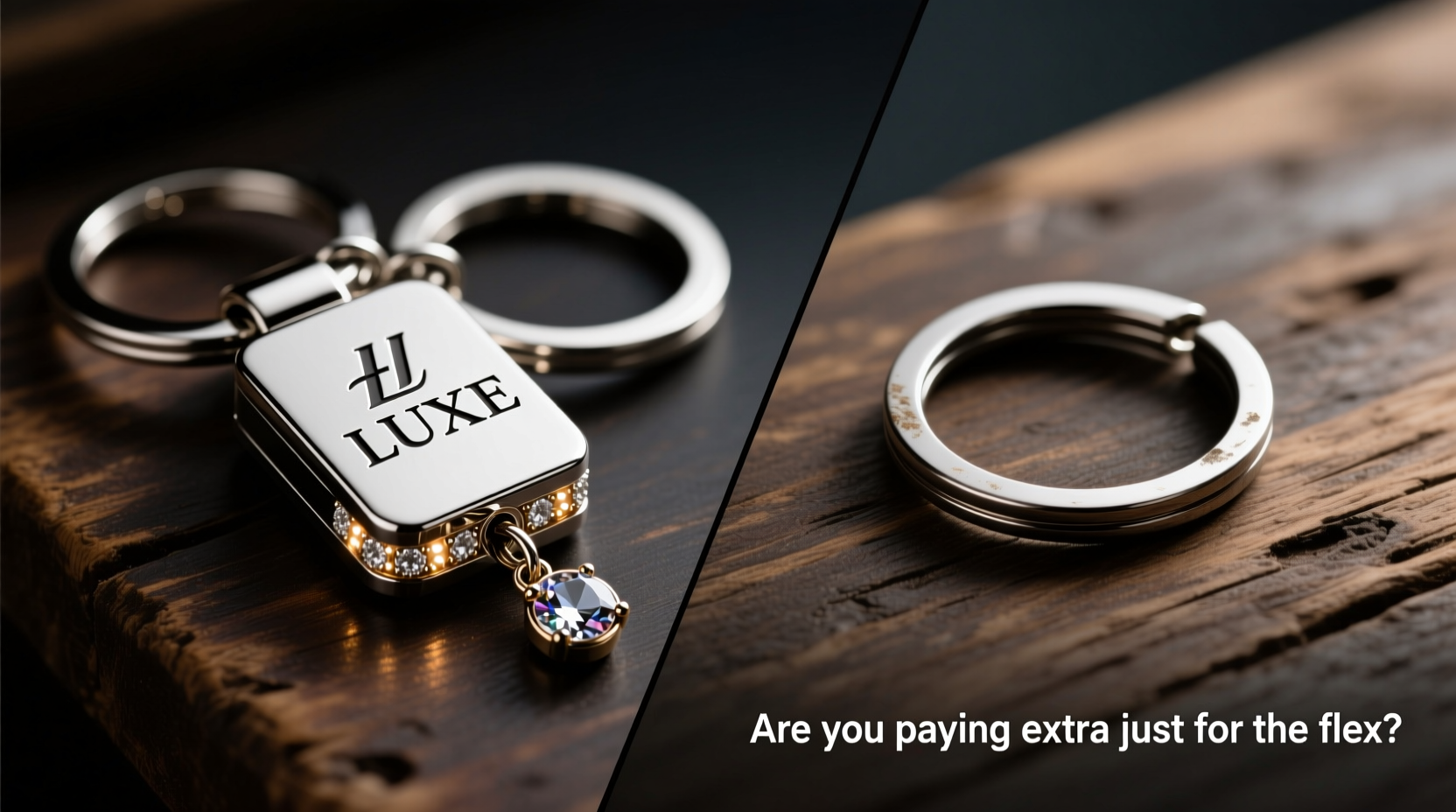
Once purely utilitarian, keychains have entered the realm of fashion accessories. High-end brands like Hermès, Gucci, and Balmain now offer keyholders as standalone products—some without even attaching to actual keys. These pieces often feature intricate metalwork, embossed logos, or leather wrapping, marketed not for function but for identity. Social media amplifies this trend; a well-placed keychain in a lifestyle photo can signal wealth, taste, or exclusivity.
This shift reflects broader consumer behavior. According to a 2023 report by McKinsey, 68% of millennials and Gen Z consumers consider brand alignment with personal identity when making accessory purchases. A luxury keychain isn’t just about holding keys—it’s about projecting an image.
“Accessories are the punctuation marks of personal style. A keychain might seem small, but in the right context, it speaks volumes.” — Marcus Lin, Fashion Psychologist & Consultant
Functional Comparison: What Do You Actually Get?
Beyond branding, how do luxury keychains perform compared to their simpler counterparts? Let’s examine core aspects: materials, build quality, weight, and practicality.
| Feature | Luxury Keychain | Simple Keyring |
|---|---|---|
| Materials | Premium leather, solid brass, palladium plating, hand-stitched details | Stainless steel, zinc alloy, silicone, basic nickel coating |
| Durability | High—resistant to corrosion, wear, and daily stress if maintained | Moderate—prone to chipping, rusting, or breaking under heavy use |
| Weight | Heavier (often 80–150g), may feel substantial or cumbersome | Light (10–30g), easy to carry without notice |
| Functionality | Often decorative; some limit key access due to design complexity | Purely functional; easy to attach/detach keys quickly |
| Average Price | $150–$600+ | $5–$25 |
The data shows a clear trade-off: luxury brings better materials and perceived longevity, but often at the cost of convenience. Simpler rings win in practicality and affordability, while high-end versions prioritize aesthetics and brand equity.
Are Luxury Keychains Worth the Investment?
Value is subjective. For collectors or brand loyalists, a $400 keychain from a heritage house may represent emotional worth beyond utility. However, from a purely rational standpoint, the markup is largely attributable to branding, not performance gains.
Take the example of two popular models: the Bellroy Leather Key Organizer ($79) and the Montblanc Meisterstück Key Holder ($425). Both use full-grain leather and anti-tarnish hardware. The Bellroy offers modular clips and quick-release functionality; the Montblanc features a signature emblem and hand-burnished edges. In independent stress tests, both survived over 10,000 open/close cycles with minimal wear. The functional difference? Negligible. The price gap? Over five times.
Mini Case Study: Daniel’s Daily Carry Upgrade
Daniel, a 34-year-old architect in Toronto, replaced his worn steel keyring with a $380 gold-accented Fossil x Barneys limited edition keychain after seeing it on Instagram. “I loved how it looked on my desk during Zoom calls,” he admits. But within three months, the rotating clasp loosened, and the finish scratched from daily pocket use. He switched back to a $12 titanium ring from Nite Ize. “It looks less flashy, but it doesn’t wobble, won’t tarnish, and feels indestructible. I realized I was paying more for visibility than reliability.”
How to Choose Smartly: A Practical Checklist
Before splurging on a designer keyholder, ask yourself these questions. This checklist helps separate genuine value from social pressure.
- Do I need quick access to multiple keys? Opt for modular or rotating designs—even if they’re non-luxury.
- Will I carry this daily? Heavy or bulky chains may cause pocket wear or discomfort over time.
- Is maintenance part of the plan? Leather needs conditioning; plated metals require polishing.
- Am I buying for function or perception? Be honest—if it’s mostly for show, consider lower-cost alternatives.
- Does it fit my existing carry system? Check compatibility with wallets, pouches, or EDC setups.
Expert Insight: The Psychology Behind Accessory Spending
The appeal of luxury keychains isn’t irrational—it taps into deep psychological drivers. Dr. Lena Choi, a behavioral economist at NYU, explains:
“We assign disproportionate meaning to small, visible objects because they’re low-risk expressions of identity. A watch or keychain allows someone to signal status without the commitment of a full wardrobe overhaul. It’s subtle, repeatable, and socially legible.” — Dr. Lena Choi, Behavioral Economist
This insight reveals why people pay premiums for items they don’t technically need. The keychain becomes less about keys and more about self-presentation—a tiny flag of belonging in a competitive social landscape.
FAQ: Common Questions About Keychain Value
Can a luxury keychain last longer than a basic one?
Potentially, yes—but only if made with superior materials and properly maintained. Stainless steel or titanium keyrings from budget brands often outlast poorly cared-for luxury pieces. Longevity depends more on material choice and usage than brand name.
Do luxury keychains increase in value?
Rarely. Unlike watches or handbags, most keychains don’t appreciate. Limited editions from iconic brands (e.g., vintage Louis Vuitton or Hermès) may gain collector interest, but resale markets are thin and unpredictable. Don’t buy expecting ROI.
Are there affordable alternatives that look premium?
Yes. Brands like Buckle My Belt, Maxpedition, and Tuff Wallet offer minimalist metal key holders in titanium or aerospace-grade aluminum under $50. They mimic the sleekness of luxury models without the markup.
Final Verdict: Flex Now, Regret Later?
The truth is, luxury keychains aren’t inherently bad—they’re just often misunderstood. If you genuinely appreciate fine craftsmanship, enjoy collecting branded goods, or derive pleasure from tactile, well-made objects, a high-end keyholder can be a worthwhile indulgence. But if your motivation is primarily external—likes, compliments, fitting in—you’re likely paying for perception, not performance.
There’s no shame in wanting to look put-together. The issue arises when function is sacrificed for form, or when spending is driven by insecurity rather than intention. A simple, durable keyring says something too: that you value practicality, efficiency, and quiet confidence over flash.
Conclusion: Make Your Keys Work for You—Not the Other Way Around
Your keychain should serve you, not the reverse. Whether you choose a $15 stainless steel split ring or a $450 handcrafted leather fob, the best choice is the one that aligns with your lifestyle, values, and real-world needs. Luxury isn’t defined by price tags—it’s reflected in thoughtful decisions. Next time you’re tempted by a shiny new keyholder, pause and ask: am I buying this for me, or for someone else’s impression of me?




 浙公网安备
33010002000092号
浙公网安备
33010002000092号 浙B2-20120091-4
Comments
No comments yet. Why don't you start the discussion?