
A well-dressed table sets the tone for any gathering—whether it's a holiday dinner, a weekend brunch, or a formal event. But when choosing between a luxurious fabric tablecloth and a practical plastic cover, many homeowners hesitate. Is investing in high-end linens truly worthwhile, or is plastic just as effective with far less effort? The answer depends on your priorities: elegance versus convenience, longevity versus disposability, sustainability versus ease of cleanup.
This comparison goes beyond surface appeal. It’s about lifestyle alignment, long-term value, and how each option performs under real conditions. Let’s explore what separates luxury tablecloths from their plastic counterparts—and whether the splurge pays off.
The Aesthetic Divide: First Impressions Matter
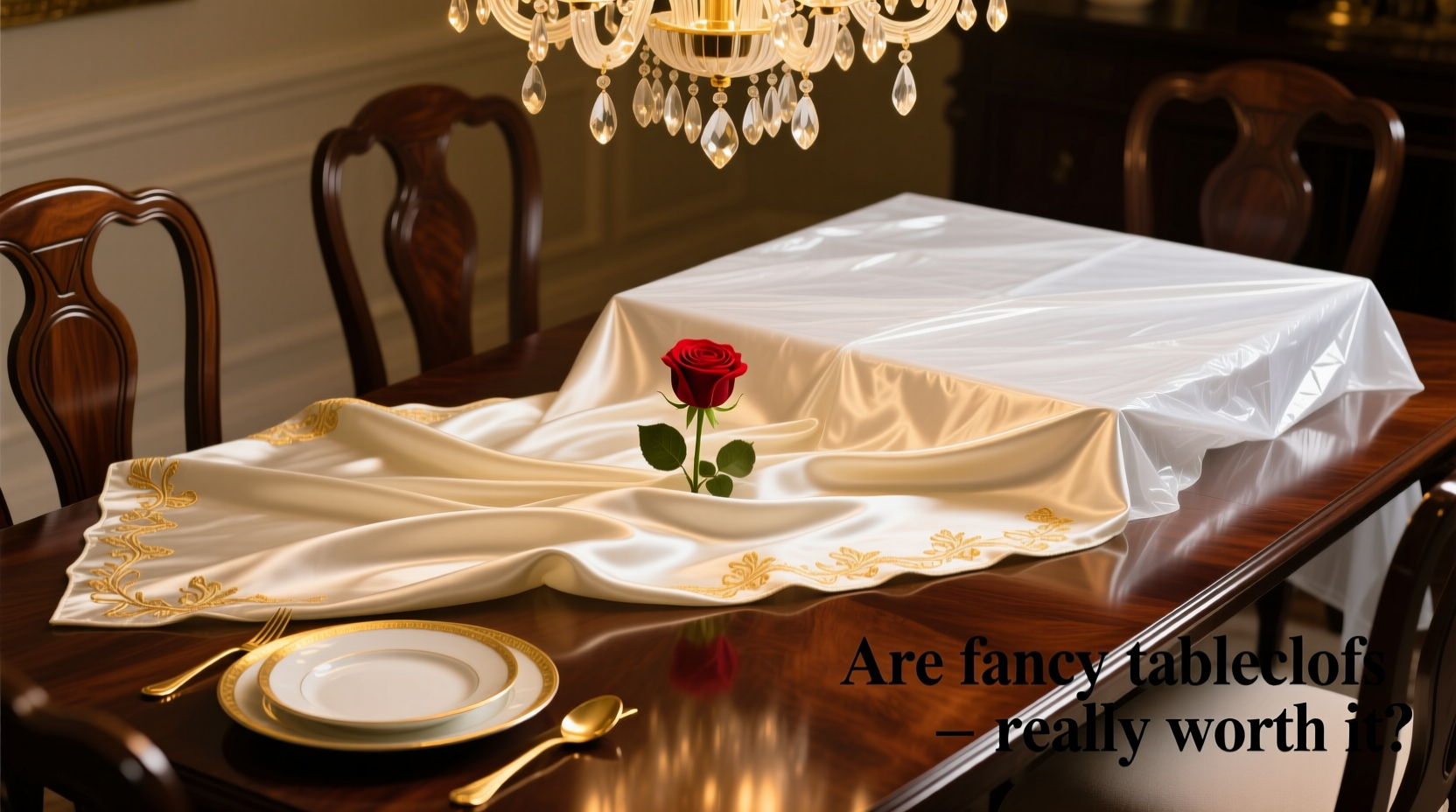
The most immediate difference lies in appearance. Luxury tablecloths—crafted from materials like cotton sateen, linen, damask, or silk—offer a refined drape, rich texture, and subtle sheen that elevate any dining space. They come in a spectrum of colors, patterns, and weaves, allowing for curated tablescapes that reflect personal style or seasonal themes.
In contrast, plastic table covers often appear flat, synthetic, and mass-produced. Even premium vinyl versions struggle to mimic the depth and softness of natural fabrics. While some modern designs attempt sophistication with lace trim or embossed textures, they rarely fool the eye at close range.
“Table linens are the silent ambassadors of hospitality. A beautifully laid table communicates care and intention.” — Clara Bennett, Interior Stylist & Tabletop Designer
Consider a dinner party hosted in a sunlit dining room. A crisp white Belgian linen tablecloth catches the light, its slight irregular weave adding organic charm. Paired with hand-thrown ceramic plates and polished silverware, the setting feels intentional and inviting. Now imagine the same scene with a glossy plastic cover. No matter how clean, it reads as temporary, even utilitarian—more suited to a picnic than a celebration.
Material Performance: Durability and Maintenance Compared
Beyond looks, performance matters. How do these options hold up over time, especially when exposed to spills, heat, and frequent use?
Luxury tablecloths require more upkeep but reward proper care with lasting beauty. Linen becomes softer with each wash and resists pilling when handled correctly. Cotton blends offer wrinkle resistance and color retention. However, they demand attention: machine washing at correct temperatures, air drying or low-heat tumble drying, and ironing for a polished look.
Plastic table covers, on the other hand, win on convenience. Wipe them down with a damp cloth, fold or roll for storage, and reuse—or discard after heavy staining. Yet this ease comes at a cost. Most plastic covers degrade quickly under sunlight, becoming brittle or discolored. Heat from hot dishes can warp or melt thinner plastics, creating permanent creases or holes.
Comparison Table: Key Features at a Glance
| Feature | Luxury Tablecloth | Plastic Table Cover |
|---|---|---|
| Material | Linen, cotton, silk, damask | Polyethylene, PVC, vinyl |
| Lifespan | 5–15 years (with care) | 1–12 months (often single-use) |
| Cleaning Method | Machine wash + ironing | Wipe clean or dispose |
| Heat Resistance | High (can withstand warm dishes) | Low (melts under hot pans) |
| Eco-Impact | Biodegradable, reusable | Non-recyclable, contributes to waste |
| Cost Over 5 Years | $100–$300 (one-time + care) | $60–$200 (repeated purchases) |
Real-World Scenarios: When Each Option Shines
The best choice isn’t universal—it depends on context. Here’s how different households might benefit from each:
Case Study: The Family with Young Children
Sarah, a mother of two toddlers, hosts weekly family dinners. Spills are inevitable. She once invested in a $120 French linen tablecloth, only to see it stained by grape juice and crayons within weeks. Frustrated, she switched to wipeable plastic covers. Though less elegant, they allow her to maintain cleanliness without anxiety. For her, plastic is a pragmatic solution that reduces stress.
Case Study: The Entertaining Enthusiast
James hosts monthly dinner parties with curated menus and fine wines. He owns three high-quality tablecloths in neutral tones that he rotates seasonally. He enjoys the ritual of ironing and folding them, treating them as part of the hosting experience. To him, the tablecloth is not just functional—it’s part of the ambiance. “When guests sit down,” he says, “they feel respected. That starts with how the table looks.”
These examples show there’s no one-size-fits-all answer. Your decision should align with your habits, values, and how often you entertain.
Long-Term Value and Sustainability
While plastic covers seem cheaper upfront, their cumulative cost and environmental toll add up. A single-use plastic tablecloth may cost $8, but replacing it monthly totals nearly $100 a year. Over five years, that’s $500—more than a lifetime supply of durable linen.
Moreover, most plastic table covers end up in landfills, where they take centuries to decompose. In contrast, natural fiber tablecloths are biodegradable at end-of-life and often recyclable through textile programs. Brands like Boll & Branch and Matteo emphasize ethical sourcing and low-impact dyes, appealing to eco-conscious consumers.
Luxury linens also retain sentimental and monetary value. Vintage damask tablecloths passed through generations carry emotional weight. Some even appreciate as collectibles. Plastic covers, by design, have no legacy.
Step-by-Step Guide: Choosing the Right Option for Your Home
- Assess Your Entertaining Frequency: Do you host formal meals weekly, or is dining casual and infrequent? High-frequency entertaining favors durable linens.
- Evaluate Cleanliness Tolerance: Are you comfortable laundering linens regularly, or do you prefer zero-effort cleanup?
- Consider Household Dynamics: With pets or young children, spills are more likely—plastic may reduce daily friction.
- Set a Style Goal: Want a magazine-worthy tablescape? Invest in fabric. Prioritize function over form? Plastic suffices.
- Calculate Long-Term Cost: Compare the price of one luxury tablecloth against projected plastic replacements over 3–5 years.
Frequently Asked Questions
Can I use a luxury tablecloth every day?
Yes, but choose durable weaves like cotton canvas or tightly woven linen. Avoid delicate silks or embroidered pieces for daily use. Pair with placemats to minimize wear.
Are there eco-friendly plastic alternatives?
Some brands offer biodegradable or compostable table covers made from plant-based polymers. However, they still lack the tactile quality of fabric and are typically single-use.
How do I store luxury tablecloths properly?
Store in a cool, dry place away from direct sunlight. Fold neatly and place in breathable cotton bags or drawers. Avoid plastic bins, which can trap moisture and cause mildew.
Conclusion: Worth It Depends on What You Value
So—are fancy tablecloths really worth it? For those who cherish tradition, craftsmanship, and the sensory details of hospitality, the answer is yes. A luxury tablecloth isn’t just a covering; it’s an investment in atmosphere, longevity, and mindful living. It ages gracefully, gains character, and supports sustainable consumption.
But for busy households prioritizing speed and simplicity, plastic remains a valid, functional option. The key is honesty about your lifestyle. Don’t buy linen to impress others if you’ll resent the upkeep. Likewise, don’t dismiss plastic if it genuinely fits your needs.
You don’t have to choose one forever. Many savvy hosts keep both: elegant linens for special occasions, and discreetly stored plastic covers for rainy-day barbecues or kids’ birthday parties. Flexibility, not perfection, defines smart home management.




 浙公网安备
33010002000092号
浙公网安备
33010002000092号 浙B2-20120091-4
Comments
No comments yet. Why don't you start the discussion?