
In a world where even everyday household items are being reimagined with premium finishes and artisan branding, the humble tissue box has not been left behind. Once a utilitarian object tucked discreetly in a corner, today’s tissue boxes range from plain cardboard containers to handcrafted wooden cases retailing for over $100. But with such a stark price gap—sometimes 20x more for \"luxury\" versions—is the upgrade truly worthwhile? Or is it simply paying for aesthetics without functional gain?
The answer isn’t straightforward. While both standard and luxury tissue boxes serve the same basic purpose—dispensing facial tissues—their differences extend beyond appearance. From material quality and environmental impact to user experience and longevity, several factors influence whether the splurge makes sense for your lifestyle.
Material & Build Quality: What You’re Actually Paying For
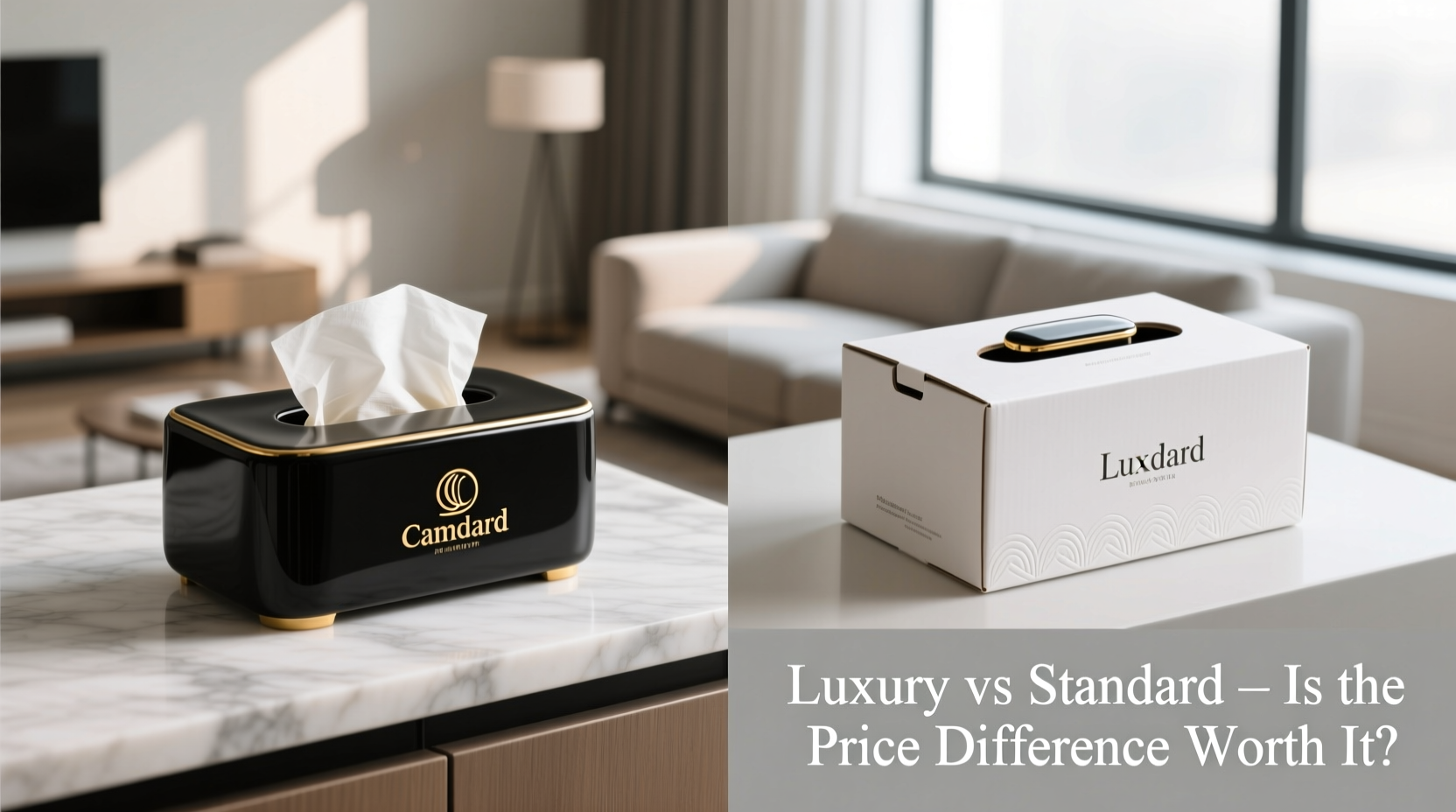
The most obvious distinction lies in construction. Standard tissue boxes are typically made from recyclable cardboard, designed for single-use convenience. They’re lightweight, inexpensive to produce, and meant to be discarded after the last tissue is pulled. In contrast, luxury tissue boxes are often crafted from solid wood, ceramic, metal, or high-grade acrylic. These materials are chosen not just for durability but also for their tactile appeal and ability to complement interior decor.
A well-made wooden tissue box, for example, can last decades with minimal maintenance. It resists warping, doesn’t degrade with humidity, and maintains its finish over time. Compare that to a standard box, which begins to fray at the dispensing slit after a few days of use, especially in high-traffic areas like living rooms or guest bathrooms.
Design & Aesthetic Integration
Luxury tissue boxes are often marketed as decorative objects. Brands like Umbra, Menu, and Georg Jensen treat them as functional sculptures—pieces that enhance a room’s ambiance rather than hide in plain sight. These designs emphasize clean lines, minimalist forms, and neutral palettes that blend seamlessly into modern interiors.
In contrast, standard tissue boxes come wrapped in printed paperboard featuring brand logos, floral patterns, or seasonal themes. While some find this charming, others see it as visual clutter. A luxury dispenser eliminates the need for decorative covers or hiding the box behind books or plants.
This shift reflects a broader trend in home goods: the desire for “invisible utility.” Consumers increasingly prefer tools and containers that perform their function without compromising on style. In homes where every object is curated, even a tissue box becomes part of the aesthetic equation.
Environmental Impact Comparison
Sustainability plays a growing role in consumer decisions. At first glance, standard tissue boxes appear more eco-friendly—they’re made from renewable resources (wood pulp), are widely recyclable, and have a low carbon footprint per unit. However, their disposable nature means repeated production and constant replacement.
Luxury tissue boxes, while heavier and more resource-intensive to manufacture, are built to last. One solid oak dispenser replaces hundreds of cardboard boxes over its lifetime. When paired with recycled or sustainably sourced tissues, the long-term environmental benefit becomes clear.
That said, not all luxury options are created equal. Some imported models involve long shipping distances and non-recyclable packaging, offsetting their longevity benefits. The key is choosing locally made or responsibly sourced luxury products to maximize ecological value.
“Durability is one of the most underrated aspects of sustainability. A well-crafted item used for years beats dozens of ‘eco-friendly’ disposables.” — Dr. Lena Torres, Sustainable Design Researcher at MIT
Price Breakdown: Short-Term Cost vs Long-Term Value
Let’s examine the numbers. A typical pack of four standard tissue boxes costs around $5–$7. Assuming monthly replacement, annual spending totals approximately $15–$20. Over five years, that’s $75–$100.
A luxury tissue box ranges from $40 for basic bamboo models to $120+ for designer pieces. While the initial outlay is higher, if the product lasts five years or more, the annualized cost drops significantly—often below $10 per year. Factor in reduced waste and fewer replacements, and the economic argument strengthens.
However, this only holds true if the luxury item is actually used and maintained. Many consumers buy upscale dispensers as gifts or décor accents but continue using standard boxes due to compatibility issues (e.g., oversized tissues not fitting) or reluctance to refill manually.
Cost Comparison Table
| Category | Standard Tissue Box | Luxury Tissue Box |
|---|---|---|
| Initial Cost (per unit) | $1.50 – $2.00 | $40 – $120 |
| Lifespan | 1 month (per box) | 5–20 years |
| Annual Replacement Cost | $15 – $20 | $0 (after purchase) |
| Materials | Cardboard, printed paper | Wood, ceramic, metal, acrylic |
| Recyclability | High (if uncontaminated) | Varies (some components non-recyclable) |
| Primary Benefit | Cheap, convenient, disposable | Durable, stylish, reusable |
Real-World Example: The Smith Family’s Bathroom Upgrade
The Smiths, a family of four in Portland, Oregon, decided to test the luxury tissue box concept in their main bathroom. They replaced their usual bulk-pack cardboard boxes with a $65 walnut-finish dispenser from a local artisan brand.
Initially, they worried about inconvenience—refilling required folding tissues to fit neatly through the slit. But after two weeks, the process became routine. More importantly, they noticed fewer messes: no more crumpled boxes tipping over, no loose tissues scattered on the floor.
After 18 months, the dispenser still looks new. Their previous setup required replacing at least 12 cardboard boxes annually, costing about $20. Had they continued, they’d have spent $100 over five years—nearly the price of the luxury box. Plus, they estimate reducing their tissue packaging waste by 90%.
“It felt like a small change,” says Sarah Smith, “but it’s one we notice every day. It just feels more put-together.”
Choosing Wisely: A Practical Checklist
Before upgrading, consider these factors to ensure your investment pays off:
- Evaluate usage frequency: High-traffic areas (guest bathrooms, offices) benefit most from durable dispensers.
- Check tissue compatibility: Ensure your preferred tissue size fits the dispenser opening.
- Assess maintenance willingness: Are you comfortable refolding tissues or cleaning wood/metal surfaces periodically?
- Review material sourcing: Opt for FSC-certified wood or recycled metals when possible.
- Consider resale or gifting potential: Some luxury brands retain value or make thoughtful housewarming gifts.
Frequently Asked Questions
Do luxury tissue boxes work with all tissue brands?
Not always. Some dispensers have narrow slits designed for specific tissue dimensions. Always check manufacturer guidelines or test with a sample pack before committing.
Can I recycle my old tissue boxes instead of buying luxury ones?
Yes, recycling is better than landfill disposal. However, reuse reduces resource consumption more effectively than recycling alone. A durable dispenser minimizes both waste and demand for new cardboard production.
Are there affordable luxury alternatives?
Yes. Look for mid-tier options made from bamboo, recycled plastic, or powder-coated steel. These offer improved durability over cardboard at a fraction of designer prices—typically $20–$40.
Final Verdict: Is the Price Difference Worth It?
The value of a luxury tissue box depends on how you define “worth.” If your priority is immediate affordability and disposability, standard boxes remain practical. But if you value long-term savings, aesthetic harmony, and sustainable consumption, a premium dispenser can deliver meaningful returns.
For those who appreciate thoughtfully designed spaces, the luxury option enhances daily rituals in subtle but lasting ways. It transforms a mundane object into a statement of intentionality—one that reflects care for both environment and personal surroundings.
The price difference isn't just about the box; it's about what kind of relationship you want with the everyday objects in your life.




 浙公网安备
33010002000092号
浙公网安备
33010002000092号 浙B2-20120091-4
Comments
No comments yet. Why don't you start the discussion?