
Eating a meal should be a satisfying experience, but what you do immediately afterward can significantly influence how your body processes that food. One common habit—lying down right after eating—might seem harmless, even relaxing, but it interferes with natural digestive processes and can lead to both short-term discomfort and long-term health issues. Understanding the physiology behind digestion and making small behavioral adjustments can dramatically improve your comfort, energy, and overall well-being.
The Digestive Process and Gravity’s Role
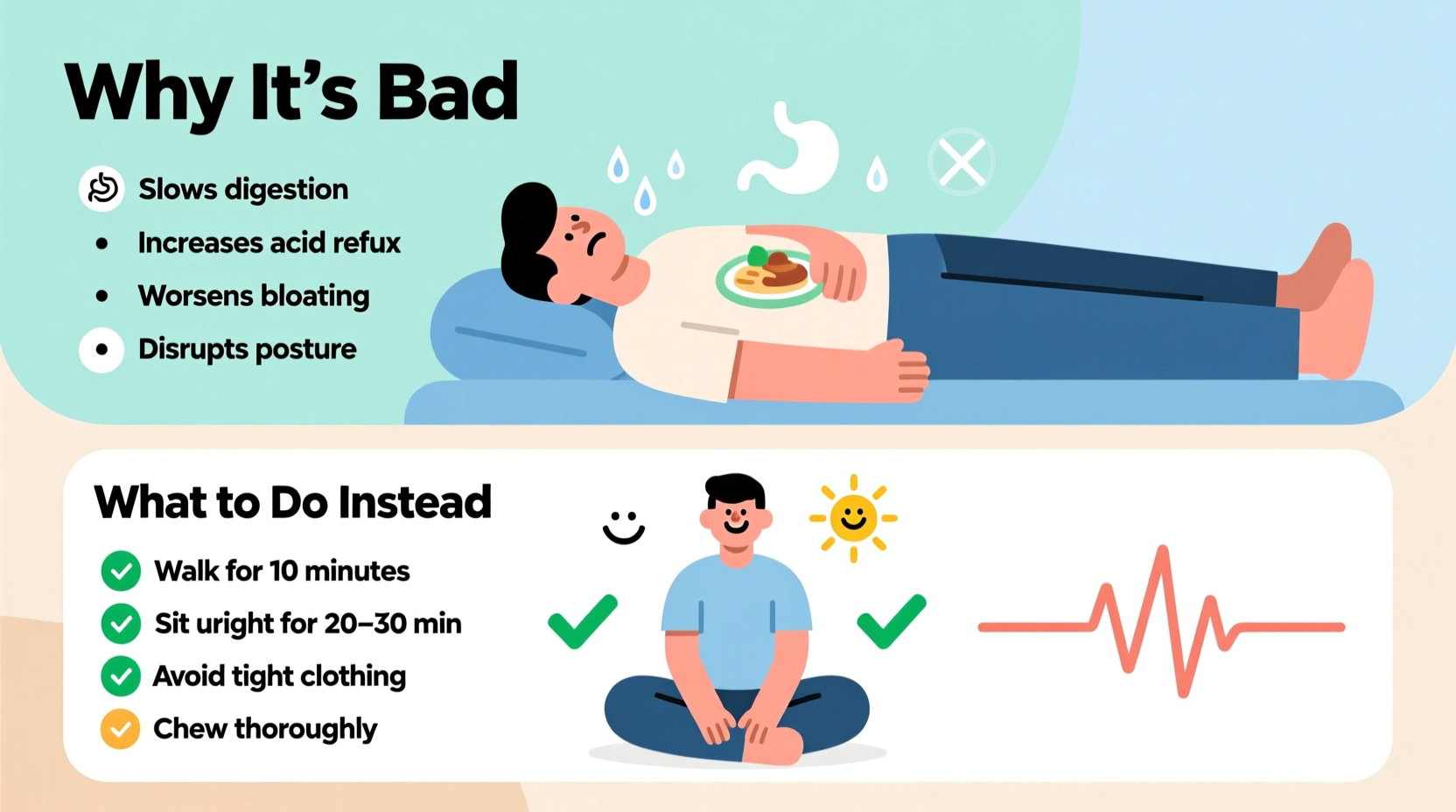
Digestion begins in the mouth and continues through the esophagus, stomach, and intestines. After swallowing, food travels down the esophagus via muscular contractions known as peristalsis. At the lower end of the esophagus lies the lower esophageal sphincter (LES), a valve that opens to allow food into the stomach and then closes to prevent stomach acid from flowing back up.
When you lie down shortly after eating, especially flat on your back or stomach, gravity no longer helps keep stomach contents—including acidic digestive juices—downward. This increases pressure on the LES, raising the risk of acid reflux or heartburn. The horizontal position also slows gastric emptying, meaning food stays in the stomach longer, potentially causing bloating, indigestion, and discomfort.
“Lying down within 30 minutes of eating is one of the most common triggers for nighttime acid reflux, particularly in individuals with sensitive digestive systems.” — Dr. Lena Patel, Gastroenterology Specialist
Health Risks of Lying Down After Meals
While occasional post-meal rest may not cause immediate harm, making it a regular habit can contribute to several health concerns:
- Acid Reflux and GERD: Stomach acid moving into the esophagus causes burning sensations, coughing, and throat irritation. Chronic cases may develop into gastroesophageal reflux disease (GERD).
- Poor Digestion: Reduced movement and gravitational assistance slow digestion, leading to gas, bloating, and sluggishness.
- Weight Gain: While lying down doesn’t directly cause fat accumulation, impaired digestion and reduced calorie expenditure post-meal may contribute to metabolic inefficiency over time.
- Sleep Disruption: Eating late and immediately lying down confuses circadian signals, potentially disrupting sleep quality and melatonin release.
- Increased Risk of Aspiration: In elderly or medically vulnerable individuals, lying flat after eating raises the risk of food or liquid entering the lungs.
What to Do Instead: Healthy Post-Meal Habits
Replacing the habit of lying down with gentle, constructive activities supports better digestion and sustained energy. The goal isn't vigorous exercise but rather encouraging smooth digestive function and avoiding stagnation.
1. Take a Light Walk
A 10–15 minute walk after eating helps stimulate gastric motility and improves insulin sensitivity. Studies show that light physical activity after meals can reduce blood sugar spikes, especially beneficial for those managing prediabetes or type 2 diabetes.
2. Sit Upright and Relax
If walking isn’t possible, simply sitting upright in a comfortable chair allows digestion to proceed efficiently. Avoid slouching or reclining positions that compress the abdomen.
3. Sip Herbal Tea
Peppermint, ginger, or chamomile tea can soothe the digestive tract and promote relaxation without sedation. Ginger, in particular, has been shown to accelerate gastric emptying.
4. Practice Mindful Breathing
Engage in deep breathing or light stretching to activate the parasympathetic nervous system—the “rest and digest” mode—which enhances digestive enzyme secretion and gut motility.
| Action | Benefit | Duration Recommended |
|---|---|---|
| Light walking | Improves digestion, lowers blood sugar | 10–20 minutes |
| Sitting upright | Prevents acid reflux | At least 30–60 minutes |
| Herbal tea (non-caffeinated) | Calms stomach, reduces bloating | 1 cup, slowly sipped |
| Deep breathing or stretching | Activates digestion, reduces stress | 5–10 minutes |
Mini Case Study: Recovering from Chronic Indigestion
Mark, a 42-year-old office worker, struggled with frequent heartburn and afternoon fatigue. He typically ate lunch at his desk and lay down on the sofa immediately afterward during weekends. Over time, he developed persistent acid reflux and relied on antacids daily.
After consulting a dietitian, Mark made two key changes: he began taking a 15-minute walk after meals and waited at least three hours before lying down or eating dinner. Within three weeks, his symptoms improved significantly. He reported more stable energy, fewer digestive issues, and reduced reliance on medication. His case highlights how simple behavioral shifts can yield substantial health benefits without drastic dietary overhauls.
Step-by-Step Guide: Building a Better Post-Meal Routine
Transitioning away from lying down after eating requires planning and consistency. Follow this timeline to build a sustainable routine:
- Immediately after eating (0–5 min): Clear the table or rinse dishes to encourage standing and light movement.
- 5–10 minutes post-meal: Begin a slow walk around the house, block, or office hallway.
- 10–30 minutes: Return and sit upright with a warm beverage like ginger tea. Avoid screens or stressful conversations.
- 30–60 minutes: Engage in light tasks—reading, journaling, or gentle stretching. Keep your torso elevated.
- Before bedtime: Ensure at least 2–3 hours have passed since your last meal, especially if dinner was heavy or spicy.
Do’s and Don’ts After Eating
| Do’s | Don’ts |
|---|---|
| Walk gently for 10–15 minutes | Lie down or nap immediately |
| Sit upright in a chair | Slouch on the couch |
| Drink water or herbal tea | Consume carbonated drinks |
| Practice deep breathing | Engage in intense workouts |
| Wait 2–3 hours before sleeping | Eat large meals before bed |
FAQ
Is it okay to lie down after a small snack?
Light snacks, especially non-acidic and low-fat ones, are less likely to cause reflux. However, if you experience discomfort, it's still best to remain upright for at least 20–30 minutes—even after small meals.
Can elevating the head of the bed help if I must lie down?
Yes. If you need to rest soon after eating due to medical conditions or fatigue, elevating the upper body by 6–8 inches using a wedge pillow or adjustable bed can reduce acid reflux risk compared to lying flat.
Does timing matter more than portion size?
Both are important. A large meal delays digestion regardless of timing, but even a small meal can cause reflux if followed immediately by lying down. Ideally, combine moderate portions with a waiting period before reclining.
Conclusion: Make Small Changes for Lasting Benefits
Lying down after eating might feel like a quick route to relaxation, but it undermines your body’s ability to process food efficiently. By choosing to stay upright and active—even mildly—you support digestion, protect your esophagus, and maintain steady energy throughout the day. These adjustments don’t require major lifestyle disruptions; they simply ask for awareness and consistency.




 浙公网安备
33010002000092号
浙公网安备
33010002000092号 浙B2-20120091-4
Comments
No comments yet. Why don't you start the discussion?