
For decades, the simple manual toothbrush has been a staple in bathrooms worldwide. But with the rise of electric models featuring oscillating heads and sonic vibrations, many wonder: is this technology actually delivering a cleaner mouth? Or is it just marketing hype wrapped in sleek design? The debate between manual and electric toothbrushes isn’t just about convenience—it’s about efficacy, long-term oral health, and whether the extra cost translates into real benefits.
Dentists have weighed in for years, clinical studies have compared outcomes, and consumers continue to report varied experiences. The core question remains: does the vibrating action of an electric toothbrush truly clean deeper than traditional brushing?
How Plaque Forms—and Why Removal Matters
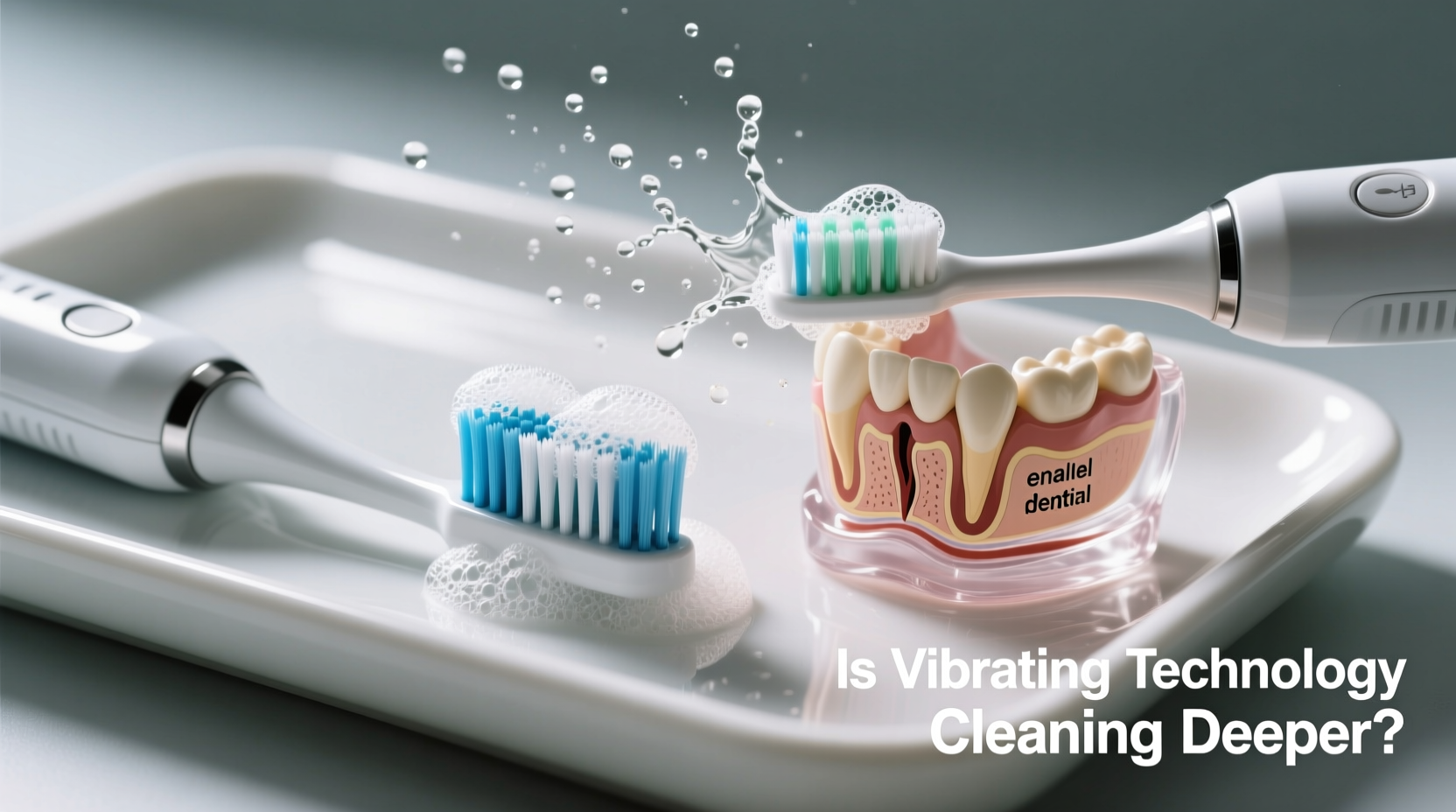
Dental plaque is a sticky biofilm composed of bacteria that forms on teeth within hours after brushing. If not removed regularly, it hardens into tartar, which can only be removed by a dental professional. Left unchecked, plaque contributes to gingivitis, periodontal disease, cavities, and even systemic health issues like heart disease.
Effective brushing disrupts this biofilm before it calcifies. But not all brushing techniques are equally effective. The American Dental Association (ADA) recommends brushing twice daily for two minutes using fluoride toothpaste. However, technique, pressure, duration, and tool choice significantly influence how well plaque is removed—especially along the gumline and between teeth.
This is where the mechanics of brushing come into play. Manual brushing relies entirely on user motion and consistency. Electric toothbrushes, particularly those with oscillating-rotating or sonic technology, introduce automated movement designed to enhance cleaning efficiency.
The Mechanics Behind Electric Toothbrush Technology
Electric toothbrushes operate on different principles depending on their design:
- Oscillating-Rotating Brushes: These feature a small round head that spins in one direction, then the other, often at speeds exceeding 8,000 movements per minute. Brands like Oral-B use this system.
- Sonic Brushes: These vibrate at high frequencies (up to 30,000–40,000 strokes per minute), creating fluid dynamics that help dislodge plaque beyond direct bristle contact. Philips Sonicare is the most prominent brand here.
- Ultrasonic Brushes: A less common type, these emit ultrasonic waves (above 20,000 Hz) that break down bacterial cell walls without requiring much physical scrubbing.
The key innovation lies in consistency. While a manual brush depends on the user’s hand speed and coverage, electric models deliver uniform motion regardless of fatigue or inconsistency. This automation helps maintain optimal brushing frequency and reduces human error.
“Electric toothbrushes, especially those with oscillating or sonic action, provide superior plaque removal compared to manual brushing when used correctly.” — Dr. Sarah Lin, Periodontist and Clinical Researcher
Scientific Evidence: Do Electric Brushes Clean Deeper?
A growing body of research supports the idea that electric toothbrushes outperform manual ones—not necessarily because they \"clean deeper\" into tissue, but because they remove more plaque from accessible surfaces, including hard-to-reach areas.
A comprehensive Cochrane Review from 2014 analyzed 56 randomized controlled trials involving over 5,000 participants. It found that electric toothbrushes reduced plaque by 21% and gingivitis by 11% more than manual brushes after one to three months of use. The most significant improvements came from oscillating-rotating models.
Another study published in the *Journal of Clinical Periodontology* showed that sonic toothbrush users experienced up to 38% greater reduction in interproximal (between-teeth) plaque compared to manual brushers. Researchers attributed this to the hydrodynamic effect—microbubbles and fluid streams generated by rapid bristle movement penetrating slightly below the gumline and between teeth.
It’s important to clarify what “cleaning deeper” means. Electric brushes don’t penetrate beneath the gums or inside enamel. Instead, they improve cleaning efficacy through better surface coverage, consistent motion, and enhanced disruption of plaque colonies in marginal zones.
Manual Brushing: Still Effective With Proper Technique
Despite the advantages of electric models, manual toothbrushes remain highly effective when used correctly. The ADA confirms that both types can achieve excellent oral hygiene if used properly.
The challenge lies in execution. Most people brush for less than 90 seconds, miss key areas (like molars and inner tooth surfaces), and apply inconsistent pressure. Without guidance, manual brushing often lacks the precision needed for optimal results.
However, individuals who follow proper technique—using the modified Bass method (angling bristles at 45 degrees to the gumline, short back-and-forth motions)—can achieve plaque removal comparable to electric brushes. Studies show that trained professionals or highly disciplined users may see little difference between tools.
In low-resource settings or for travelers, manual brushes offer affordability, portability, and no need for charging. They’re also easier to share temporarily (though not recommended) and generate less electronic waste.
Comparative Analysis: Key Differences at a Glance
| Feature | Manual Toothbrush | Electric Toothbrush |
|---|---|---|
| Motion Control | Dependent on user hand movement | Automated, consistent motion |
| Plaque Removal Efficiency | Moderate to good (with ideal technique) | High (especially along gumline and between teeth) |
| Battery/Charging Needs | None | Requires regular charging or battery replacement |
| Cost Over Time | $1–$5 per brush; ~$10–$25/year | $80–$250 upfront; $20–$50/year for replacement heads |
| User-Friendly for Special Needs | Can be difficult for those with arthritis or limited dexterity | Easier grip and less hand effort required |
| Travel Convenience | Lightweight, no power needed | Bulkier; needs charger or batteries |
| Environmental Impact | Higher plastic waste if disposable | Less frequent disposal, but contains electronics and batteries |
Real-World Example: Improving Gum Health with Technology
Consider Maria, a 42-year-old teacher diagnosed with early-stage gingivitis during her annual check-up. Despite brushing twice daily with a soft manual brush, she had persistent bleeding along her lower front teeth. Her dentist recommended switching to a rechargeable electric toothbrush with a pressure sensor and built-in timer.
After six weeks of consistent use—activating the two-minute timer, holding the brush lightly at a 45-degree angle, and allowing the oscillations to do the work—Maria returned for a follow-up. Her hygienist noted a dramatic reduction in gum inflammation and no bleeding upon probing. Plaque scores dropped by nearly 30%. Maria reported the experience was effortless and admitted she hadn’t realized how inconsistently she’d been brushing before.
This case illustrates a common pattern: patients with mild periodontal concerns often benefit significantly from the feedback mechanisms and consistent action provided by electric models.
Choosing What Works for You: A Practical Checklist
Selecting the right toothbrush depends on lifestyle, budget, dexterity, and personal habits. Use this checklist to guide your decision:
- ✅ Do you struggle to brush for a full two minutes? → Electric models with timers help.
- ✅ Do you have arthritis, carpal tunnel, or limited hand mobility? → Electric brushes reduce physical strain.
- ✅ Are you prone to aggressive brushing? → Choose an electric model with a pressure sensor.
- ✅ Do you travel frequently? → Manual brushes are simpler to pack; some electric models are travel-friendly.
- ✅ Is cost a concern? → Manual brushes are cheaper upfront, but electric may save on future dental work.
- ✅ Do you want maximum plaque control? → Opt for an oscillating or sonic electric brush with ADA Seal approval.
- ✅ Can you commit to replacing brush heads every 3 months? → Essential for hygiene and performance.
Common Misconceptions About Vibrating Brushes
Several myths persist about electric toothbrushes:
- Myth: “The vibration damages enamel.” Truth: When used properly (light pressure), electric brushes are safe. In fact, many reduce wear caused by aggressive manual scrubbing.
- Myth: “Only expensive models work well.” Truth: Mid-range models with oscillating or sonic action perform comparably to premium ones in clinical tests.
- Myth: “They're too loud or bulky.” Truth: Modern designs are quieter and slimmer than ever. Many include quiet modes and ergonomic handles.
- Myth: “You don’t need to move the brush around.” Truth: Even with automation, you must guide the brush to all tooth surfaces—front, back, chewing surfaces, and along the gumline.
Frequently Asked Questions
Do electric toothbrushes really remove more plaque?
Yes. Multiple clinical studies confirm that electric toothbrushes—particularly oscillating-rotating and sonic types—remove significantly more plaque than manual brushes, especially in hard-to-reach areas like between teeth and near the gumline.
Can children use electric toothbrushes?
Absolutely. Many brands offer kid-specific models with smaller heads, softer bristles, and fun timers or apps. Supervision is recommended until age 6–7 to ensure proper technique and prevent swallowing of toothpaste.
How often should I replace the brush head?
Every 3 months, or sooner if bristles become frayed. Worn bristles lose effectiveness and can harbor bacteria. Some models have color indicators that fade to remind you when it's time to change.
Final Thoughts: Does Vibrating Tech Deliver?
The evidence strongly suggests that electric toothbrushes—with their high-frequency vibrations and automated motions—do clean more effectively than manual brushes for most users. The term “cleaning deeper” may be misleading if interpreted as physically penetrating tissues, but in terms of reaching into crevices, disrupting biofilm more thoroughly, and improving gum health over time, the technology delivers tangible benefits.
That said, the best toothbrush is the one you’ll use consistently and correctly. A poorly used electric brush offers little advantage over a well-used manual one. Technique, duration, and frequency matter more than the tool itself—but when combined with good habits, electric models provide a powerful edge.
For individuals seeking improved oral health, especially those with gum disease, braces, implants, or dexterity challenges, upgrading to an electric toothbrush is a smart investment. For others, a manual brush with disciplined use remains perfectly viable.




 浙公网安备
33010002000092号
浙公网安备
33010002000092号 浙B2-20120091-4
Comments
No comments yet. Why don't you start the discussion?