
In the golden age of arcades, few franchises defined the era like Marvel’s crossover brawlers and Capcom’s martial arts juggernauts. Today, decades after their debut, both Marvel Super Heroes and the Street Fighter series remain touchstones for retro gaming enthusiasts and competitive players alike. But as we step deeper into 2024, one question persists: which arcade experience still lands the hardest punch? The answer isn’t just about nostalgia—it’s about mechanics, accessibility, community, and lasting influence.
The Origins: Clash of Two Gaming Titans
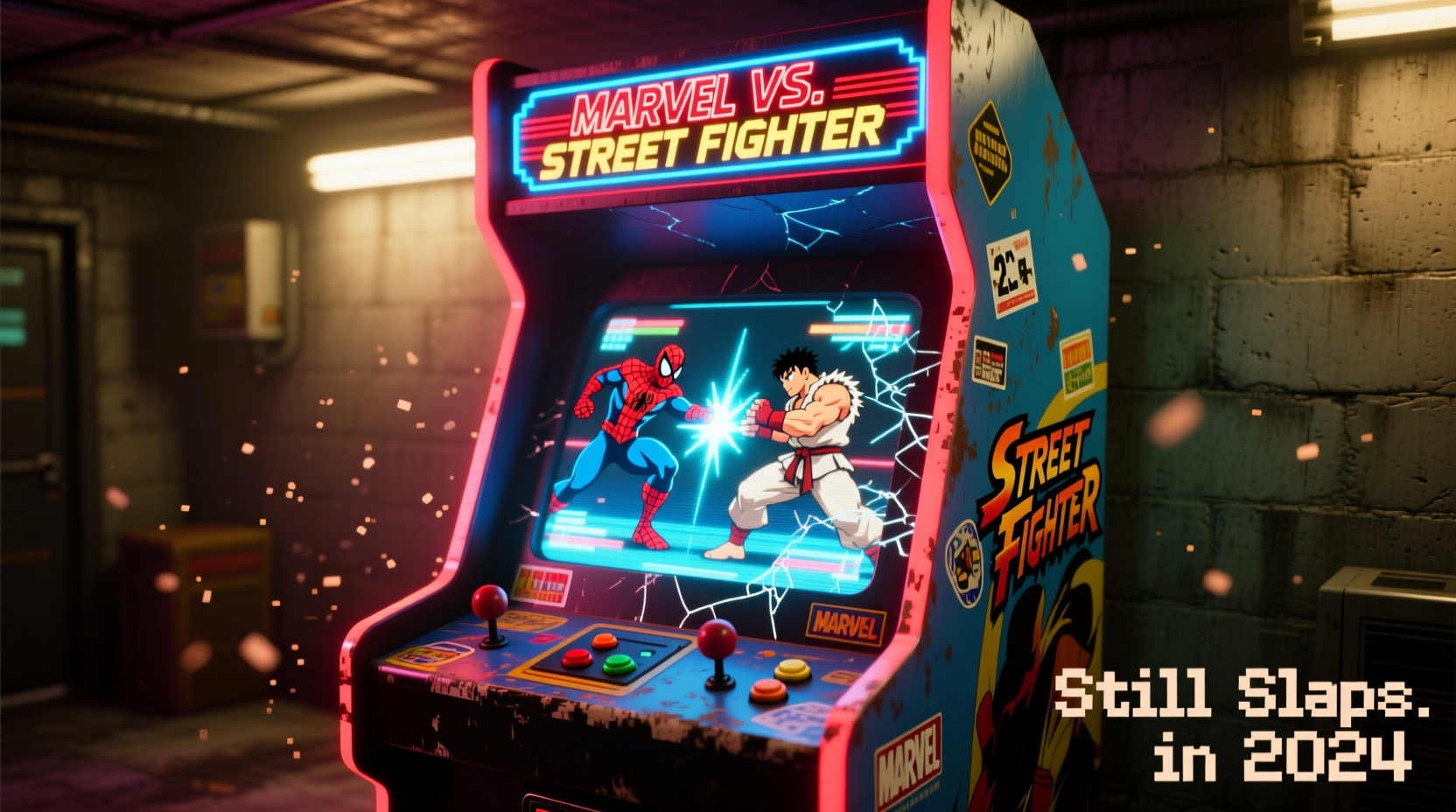
Street Fighter II, released in 1991, revolutionized fighting games with its six-button layout, special moves, and one-on-one competitive structure. It didn’t just popularize the genre—it created it. Its blend of timing, spacing, and character-specific techniques laid the foundation for esports long before the term existed.
Fast forward to 1995, when Capcom unleashed Marvel Super Heroes, a side-scrolling beat 'em up that merged comic book spectacle with arcade action. Unlike traditional fighters, it leaned into cinematic chaos—players could transform Hulk into Worldbreaker mode or have Iron Man unleash energy barrages against M.O.D.O.K. and Thanos.
Both titles came from the same creative powerhouse, but they targeted different experiences: Street Fighter was precision; Marvel Super Heroes was power fantasy.
Gameplay Mechanics: Precision vs. Power Fantasy
The core difference lies in design philosophy. Street Fighter demands mastery. Every frame matters. Blocking, whiff punishing, and mix-ups define high-level play. Characters like Ryu, Chun-Li, and Vega require muscle memory and strategic foresight. Tournaments are won not by flashy combos but by reading opponents and controlling space.
In contrast, Marvel Super Heroes thrives on spectacle. The Power Gem system lets players temporarily boost stats or transform characters—Hulk becomes unstoppable, Spider-Man gains enhanced agility. This risk-reward mechanic adds depth without sacrificing accessibility. Newcomers can press buttons and feel powerful immediately, while veterans optimize gem usage for boss fights or survival in later stages.
However, this comes at a cost. Marvel Super Heroes lacks the tight balance and counterplay of Street Fighter. Matches aren’t decided by skill alone—luck-based gem drops and transformation outcomes introduce variance. For purists, that undermines competitive integrity.
“ Street Fighter is chess with fists. Marvel Super Heroes is fireworks in motion.” — Jason Lee, Competitive Fighting Game Analyst, TwinStick Media
Community & Competitive Scene in 2024
While both games enjoy cult followings, only one maintains a live tournament circuit. Street Fighter remains a pillar of the FGC (Fighting Game Community). With annual events like EVO, Capcom Pro Tour, and regional rankings, Street Fighter VI has reinvigorated the franchise—but classic iterations like Super Turbo still appear in dedicated retro brackets.
Conversely, Marvel Super Heroes exists mostly in preservation spaces. You’ll find it in barcades, YouTube speedruns, or charity livestreams, but rarely in structured competition. Its co-op nature and single-player focus make it less viable for head-to-head esports. That doesn’t diminish its appeal—it just shifts its role from competitive tool to nostalgic experience.
Still, modding communities keep the flame alive. ROM hacks now allow custom characters, rebalanced gems, and even netcode-enabled multiplayer through platforms like Fightcade. Yet these are niche efforts compared to the global infrastructure supporting Street Fighter.
Legacy and Cultural Impact
Street Fighter shaped how we understand video game characters. Ryu’s quest for perfection, Chun-Li’s pursuit of justice, and M. Bison’s theatrical villainy became archetypes copied across genres. The series influenced everything from animation styles to music design in games. Even outside gaming, phrases like “Hadouken!” entered pop lexicon.
Marvel Super Heroes, meanwhile, anticipated the superhero boom by two decades. Before the MCU, it gave fans a chance to *be* their favorite heroes in interactive form. Its success paved the way for later crossovers like X-Men: Children of the Atom and the Marvel vs. Capcom series, which blended SF mechanics with comic book chaos.
In 2024, both legacies endure—but differently. Street Fighter evolves. Marvel Super Heroes is remembered.
| Aspect | Street Fighter Series | Marvel Super Heroes (1995) |
|---|---|---|
| Primary Gameplay | 1v1 Fighting | Co-op Beat ‘Em Up / Boss Rush |
| Competitive Viability | High – Active global scene | Low – Mostly casual play |
| Input Complexity | High – Frame data matters | Moderate – Button-heavy, intuitive |
| Retro Accessibility | Widely available via re-releases | Requires emulation or original hardware |
| Cultural Influence | Defined the fighting genre | Pioneered superhero game aesthetics |
Which One Still Slaps Harder in 2024?
If “slaps harder” means raw emotional impact and visual flair, Marvel Super Heroes wins on sheer spectacle. Transforming Hulk into Worldbreaker mode mid-fight, watching Thor summon lightning, or seeing Iron Man annihilate waves of enemies with unrelenting energy blasts—these moments deliver unmatched joy.
But if “slaps harder” refers to mechanical depth, longevity, and continued relevance, Street Fighter is the undisputed champion. In 2024, you can walk into any major city with an arcade or gaming café and find people playing Street Fighter competitively. The game teaches patience, discipline, and adaptability. It rewards study. And unlike many retro titles, it hasn’t aged out—it’s evolved.
Moreover, modern iterations like Street Fighter VI honor the past while innovating for the future. Auto combos lower the entry barrier, while advanced systems like Drive Gauge add fresh layers of strategy. Meanwhile, Marvel Super Heroes, though beloved, remains frozen in time—a beautifully rendered relic.
Mini Case Study: Barcade Brooklyn, 2024
At Barcade Brooklyn, one of the most iconic retro arcades in the U.S., foot traffic tells a revealing story. The Street Fighter III: 3rd Strike cabinet sees constant rotation—players queue during peak hours, often engaging in impromptu tournaments. Nearby, the Marvel Super Heroes machine runs less frequently. When it does, it’s usually a group of friends taking turns, laughing at massive explosions and dramatic transformations. Both are enjoyed, but only one fosters sustained engagement.
Manager Luis Tran notes: “People come for the Marvel nostalgia, but they stay for Street Fighter. There’s a rhythm to it—it’s almost meditative once you get into the flow.”
Frequently Asked Questions
Can you still buy original Marvel Super Heroes arcade cabinets?
Yes, but they’re rare and expensive—often priced between $3,000 and $6,000 depending on condition. Most players access the game via emulation or Capcom’s official re-releases on platforms like the Capcom Arcade Stadium.
Is Street Fighter still relevant with newer fighting games around?
Absolutely. While games like Guilty Gear and Dragon Ball FighterZ have strong followings, Street Fighter remains the benchmark for balance and accessibility. Its presence in esports and consistent updates ensure ongoing relevance.
Which game is easier for beginners?
Marvel Super Heroes is more approachable for casual players due to its forgiving mechanics and instant gratification. However, Street Fighter VI’s modern assist modes and tutorial system make the series more beginner-friendly than ever before.
Final Verdict: One Punch Lands Cleaner
In 2024, both games hold value—but for different reasons. Marvel Super Heroes delivers a dopamine rush, a celebration of comic book excess that still feels fresh when you unleash a gamma-charged uppercut. It’s the arcade equivalent of a summer blockbuster: loud, colorful, and unforgettable in short bursts.
Street Fighter, however, is the enduring masterpiece. It’s been studied, streamed, and savored across generations. It adapts. It challenges. It respects the player’s growth. Whether you’re throwing your first Hadouken or executing a frame-perfect parry, it connects you to a living tradition.
So yes—both “slap.” But only one still carries the weight of the future.




 浙公网安备
33010002000092号
浙公网安备
33010002000092号 浙B2-20120091-4
Comments
No comments yet. Why don't you start the discussion?