
When *Marvel vs. Capcom: Infinite* launched in 2017, fans were excited for the next evolution of the legendary crossover fighting series. Instead, they were met with confusion, disappointment, and one persistent question: Why was the character roster so small? Compared to its predecessor, *Marvel vs. Capcom 3*, which featured over 50 playable fighters, *Infinite* launched with just 30—many of whom were considered underwhelming or niche choices. The absence of iconic characters like Wolverine, Deadpool, and Magneto sparked immediate backlash. To understand what happened, it’s essential to look beyond surface-level complaints and examine the technical, legal, and creative forces that shaped the game’s controversial roster.
Licensing and Rights: The Hidden Gatekeeper
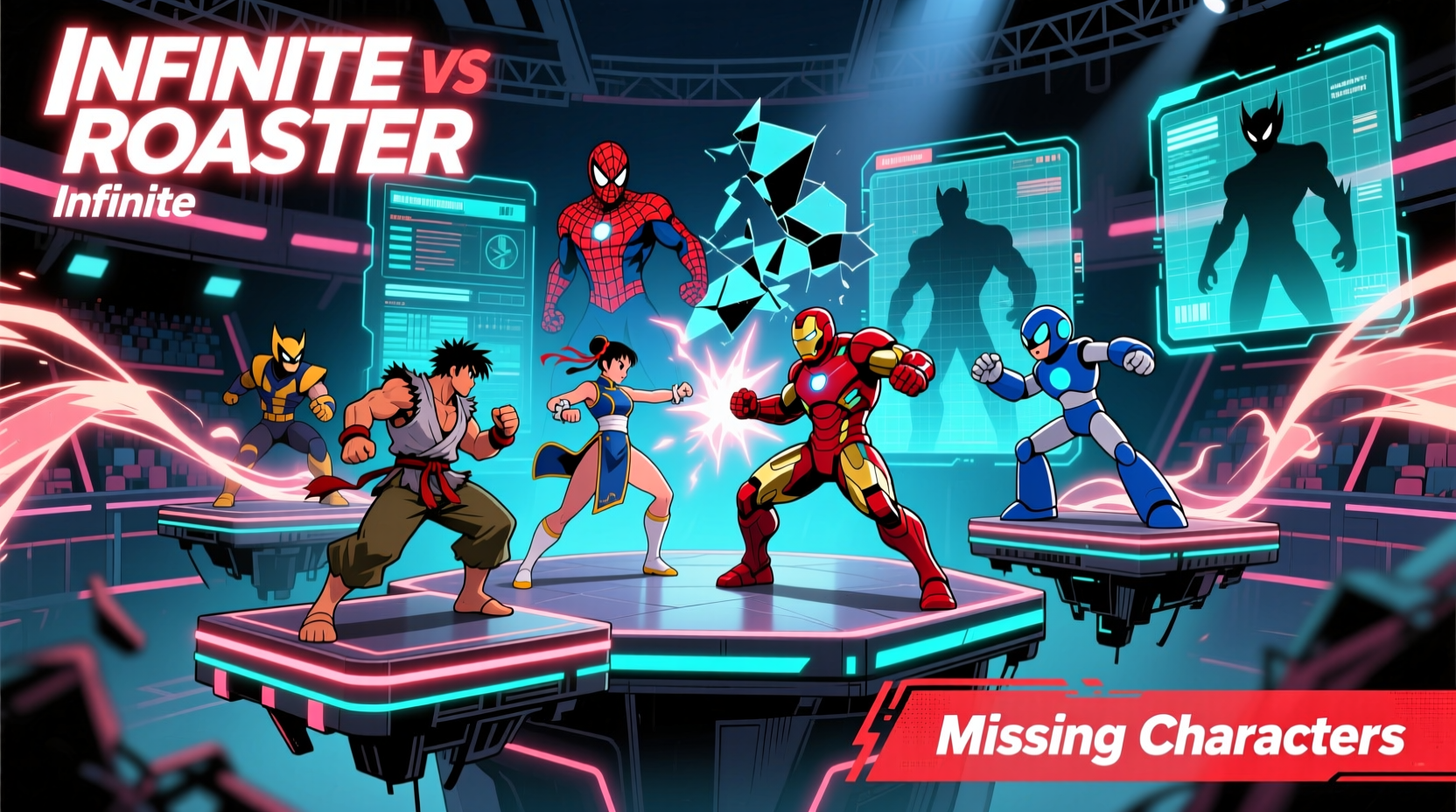
The most significant factor behind the missing characters lies not in development capacity but in intellectual property rights. At the time of *Infinite*'s development, Disney had already acquired Lucasfilm, Pixar, and Marvel—but not Fox. This meant that characters tied to franchises still under 20th Century Fox control, such as the X-Men and Fantastic Four, were legally restricted from appearing in new media without permission.
Since *Infinite* was developed in partnership with Marvel Entertainment (under Disney), Capcom could not include mutants or associated heroes like Wolverine, Storm, Cyclops, or even Galactus without licensing agreements that simply weren’t in place. These characters had been staples of previous entries, making their sudden absence glaringly obvious to long-time fans.
“Licensing isn't just about money—it's about timing, ownership, and corporate strategy. When IP is split across studios, even beloved characters can become untouchable.” — Jason Schreier, Video Game Journalist & Author
This restriction eliminated nearly a third of the fan-favorite cast overnight. Even after Disney acquired Fox in 2019, it was too late for *Infinite*, which had already shipped with a locked-in roster.
Development Constraints and Engine Limitations
Beyond licensing, technical limitations played a major role. *Infinite* marked a shift from the hand-drawn 2D sprites of earlier titles to a fully 3D-rendered engine built on Unreal Engine 4. While this allowed for cinematic visuals and smoother animations, it also dramatically increased production costs and time per character.
Each fighter required full voice acting, motion capture, detailed modeling, and balancing within a new two-on-two tag-team system. Unlike *MvC3*, where assets could be reused or slightly modified, *Infinite* demanded entirely original builds for every character. According to insider reports, creating a single fighter took up to six months and cost hundreds of thousands of dollars.
To meet release deadlines and budget constraints, Capcom had to cap the initial roster size. This led to tough prioritization—favoring mainstream MCU stars like Iron Man and Captain America over deeper cuts—even if those deeper cuts were more popular among core fighting game fans.
Roster Comparison: MvC3 vs Infinite
| Aspect | Marvel vs. Capcom 3 (2011) | Marvel vs. Capcom: Infinite (2017) |
|---|---|---|
| Initial Roster Size | 36 (including DLC) | 30 (including DLC) |
| Art Style | 2.5D / Illustrated Sprites | Fully 3D / Realistic Render |
| X-Men Characters | Wolverine, Cyclops, Magneto, etc. (8+) | Zero (due to licensing) |
| Fantastic Four | Available | Unavailable |
| DLC Expansion | Yes (e.g., Jill Valentine, Shuma-Gorath) | Minimal (only 4 DLC fighters planned, 2 released) |
Creative Direction and Marketing Strategy
Capcom and Marvel intended *Infinite* to serve as an entry point for casual players and MCU fans unfamiliar with fighting games. As a result, the design philosophy leaned toward accessibility and narrative cohesion rather than catering to hardcore genre enthusiasts.
The story mode focused heavily on Thanos and Ultron as central villains, pushing characters relevant to that plot—like Gamora, Vision, and Loki—into prominence. Meanwhile, fan favorites with no direct MCU ties (e.g., Strider Hiryu, Arthur from Ghosts 'n Goblins) were cut despite strong community support.
This strategic pivot alienated the franchise’s traditional base. Longtime players expected chaotic, fast-paced gameplay with deep rosters and flashy combos. What they got instead was a streamlined experience with simplified mechanics and a visually polished but emotionally hollow presentation.
Community Backlash and Sales Impact
The response was swift and severe. Within days of launch, forums, Reddit threads, and YouTube videos exploded with criticism over both the missing characters and the game’s overall direction. One viral post titled “Where’s Wolverine?” garnered over 2 million views. Petitions demanding refunds circulated, and pre-order numbers failed to translate into sustained sales.
In a now-infamous statement, a Capcom representative claimed the smaller roster was intentional to “focus on quality over quantity.” However, many interpreted this as damage control rather than genuine design philosophy.
“We wanted to make something new… but we forgot what made the old special.” — Anonymous Capcom Developer (via Bloomberg, 2018)
What Could Have Been Done Differently?
While some factors—like licensing—were outside Capcom’s control, others stemmed from avoidable missteps. A hybrid approach might have preserved fan goodwill while still modernizing the franchise.
- Smaller Launch, Faster DLC: Release with 20 characters but commit to frequent, predictable DLC drops.
- Alternate Versions: Include classic costume variants or alternate skins to add depth without new models.
- Community Voting: Let fans choose which DLC characters should come next, increasing engagement.
- Legacy Mode: Add a retro-style option using older sprites for classic characters not feasible in 3D.
Checklist: How Developers Can Avoid Roster Disasters
- Assess IP availability early in development
- Communicate limitations transparently with the community
- Prioritize high-demand characters based on fan surveys
- Plan a robust post-launch content roadmap
- Balance accessibility with respect for core fans
Mini Case Study: The Absence of Deadpool
No exclusion symbolized the disconnect between *Infinite* and its audience more than Deadpool. A staple of *MvC3*, Deadpool brought humor, unpredictability, and unmatched popularity. His absence wasn’t due to licensing alone—Fox didn’t restrict Deadpool appearances outright at the time—but because Marvel chose to downplay his role during the transition period before the Fox acquisition.
Internal emails later revealed that Deadpool was initially modeled and partially animated for *Infinite*. However, concerns about tonal mismatch (his R-rated persona clashing with the family-friendly image of the rest of the cast) led to cancellation. Fans discovered test files in the game’s code, confirming he had been in development. The wasted effort became a symbol of poor planning and missed opportunity.
Frequently Asked Questions
Why wasn’t Wolverine in Marvel vs. Capcom Infinite?
At the time of development, the film and animation rights to Wolverine and other X-Men characters were held by 20th Century Fox. Despite being owned by Marvel Comics, these rights prevented their inclusion in new games without licensing agreements that weren’t secured.
Will there ever be another Marvel vs. Capcom game?
As of 2024, no official sequel has been announced. However, with Disney now owning all Marvel properties—including those previously held by Fox—the legal barriers are gone. Fan demand remains strong, and Capcom has expressed interest in revisiting the series if market conditions align.
Was Marvel vs. Capcom Infinite a commercial failure?
Yes. Despite positive reviews for its combat mechanics, the game sold poorly—reportedly less than half of *MvC3*'s lifetime sales. It was pulled from digital storefronts in 2020, and all online servers were shut down in 2022, marking an early end to its lifecycle.
Conclusion: Learning from the Past
The story of *Marvel vs. Capcom: Infinite*'s missing characters is not just about one game’s shortcomings—it’s a cautionary tale about balancing business realities with fan expectations. Licensing hurdles were real, but poor communication, questionable creative choices, and a lack of post-launch support turned a promising project into a franchise low point.
For future crossovers to succeed, developers must listen to their communities, plan for IP transitions, and never assume that visual polish can replace emotional connection. The legacy of *Infinite* serves as a reminder: fans don’t just want any characters—they want the ones that matter.




 浙公网安备
33010002000092号
浙公网安备
33010002000092号 浙B2-20120091-4
Comments
No comments yet. Why don't you start the discussion?