
Makeup is more than just cosmetics—it’s a form of self-expression, confidence-building, and creativity. For beginners, the sheer number of products, tools, and techniques can feel overwhelming. But mastering makeup doesn’t require professional training or expensive kits. With structured practice, the right knowledge, and consistent effort, anyone can develop strong foundational skills and progress to advanced techniques. This guide breaks down the process into manageable steps, offering actionable advice, real-world insights, and expert-backed methods to help you build lasting proficiency.
1. Understand Your Skin and Face Shape
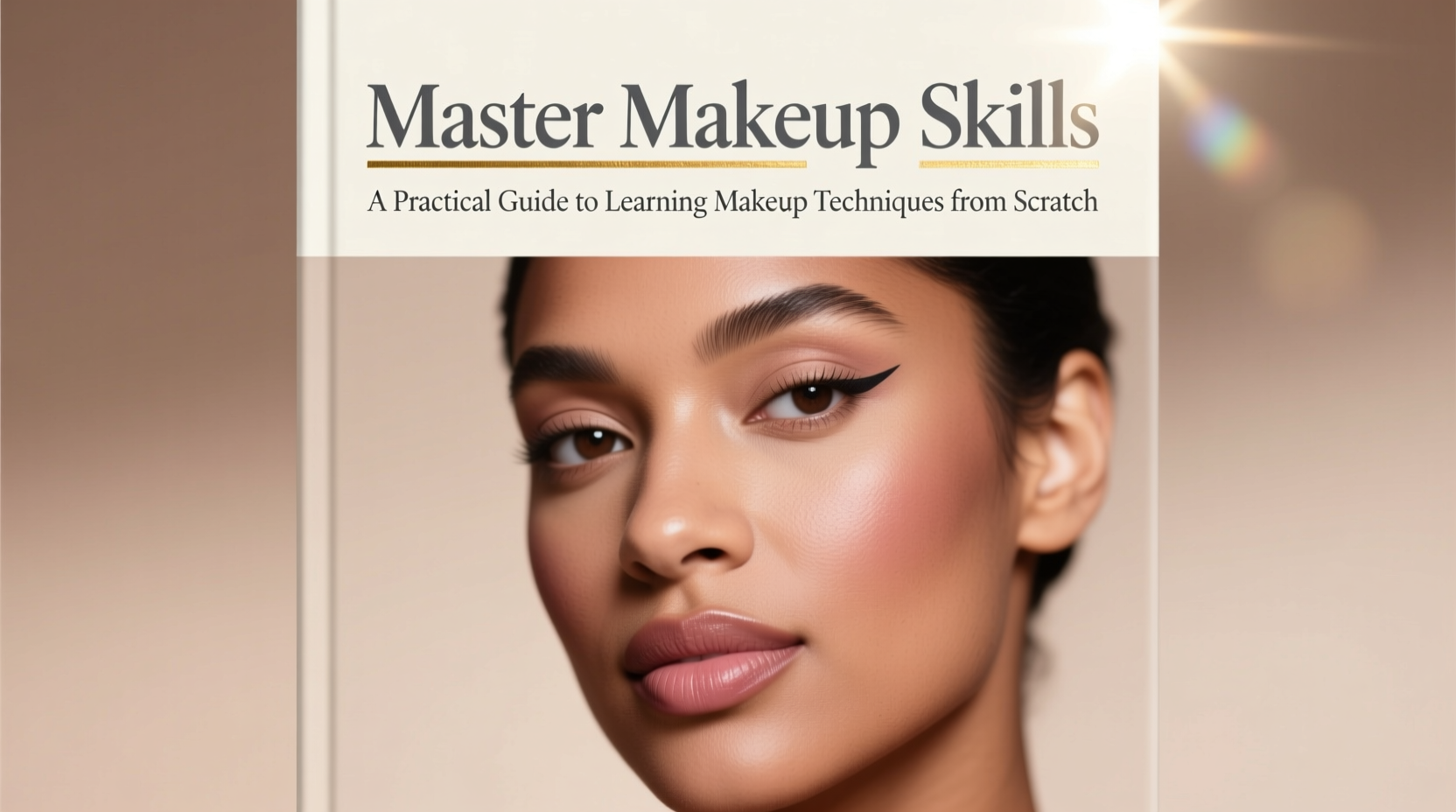
Before applying any product, it's crucial to understand your skin type and facial structure. Makeup that works for oily skin may not suit dry or combination types. Similarly, knowing your face shape helps determine where to apply contour, highlight, or blush for balanced results.
Skin types generally fall into five categories: oily, dry, combination, sensitive, and normal. Observe how your skin behaves throughout the day—do you get shiny by noon? Flaky patches near the nose? React to certain ingredients? These clues inform your product choices.
Face shapes include oval, round, square, heart, and diamond. For example, someone with a round face might use contouring to create the illusion of angles, while those with long faces benefit from horizontal highlighting to add width.
2. Build a Minimalist Starter Kit
You don’t need dozens of products to start. A well-chosen selection of essentials will allow you to practice core techniques effectively. Focus on quality over quantity—invest in one good brush instead of ten cheap ones.
| Product | Purpose | Beginner-Friendly Options |
|---|---|---|
| Moisturizer & SPF | Prepares skin, prevents premature aging | CeraVe Daily Moisturizing Lotion + EltaMD UV Clear SPF 46 |
| Fragrance-free primer | Smooths texture, extends wear | Innisfree No-Sebum Mineral Primer |
| Foundation (liquid or cushion) | Evens skin tone | L’Oréal True Match, Maybelline Fit Me |
| Concealer | Covers dark circles, blemishes | NARS Radiant Creamy Concealer |
| Translucent powder | Reduces shine, sets makeup | RCMA No-Color Powder |
| Blush (cream or powder) | Adds natural flush | Glossier Cloud Paint, Milani Baked Blush |
| Neutral eyeshadow palette | Everyday eye looks | ColourPop \"Who, What, Where\" Palette |
| Mascara | Defines lashes | Maybelline Lash Sensational |
| Brow pencil/powder | Frames the face | Anastasia Beverly Hills Brow Wiz |
| Lip balm & nude lipstick | Hydration and color | Burt’s Bees, MAC Velvet Teddy |
Start with neutral shades and gradually expand as you gain confidence. Clean brushes weekly with mild soap and water to prevent breakouts and ensure smooth application.
3. Master the Step-by-Step Routine
Consistency comes from repetition. Follow this daily sequence to build muscle memory and refine technique:
- Prep the skin: Cleanse, moisturize, apply sunscreen. Wait 5 minutes before primer.
- Prime: Apply a pea-sized amount, focusing on areas prone to creasing (T-zone, under eyes).
- Foundation: Use a damp sponge or stippling brush. Start from the center of the face and blend outward. Avoid heavy layers—build coverage only where needed.
- Conceal: Apply in a triangle under each eye and on blemishes. Blend gently with tapping motions.
- Set with powder: Lightly dust translucent powder under eyes and T-zone using a fluffy brush.
- Eyes: Apply a transition shade into the crease with a fluffy brush. Use a smaller brush for lid color. Blend edges thoroughly.
- Mascara: Wiggle the wand at the base of lashes and sweep upward. Two coats max for beginners.
- Brows: Fill sparse areas with short, hair-like strokes. Brush through with a spoolie.
- Blush & contour: Smile lightly and apply blush to the apples of cheeks. For subtle contour, use a cool-toned powder along the hollows of cheeks.
- Lips: Line if desired, then fill in with balm or lipstick. Blot with tissue for a natural finish.
4. Real Example: From Frustration to Fluency
Take Sarah, a college student who initially struggled with patchy foundation and smudged eyeliner. She started by filming her routine weekly, comparing results, and noting what went wrong. After two weeks of only practicing foundation and blending with a sponge, her base became seamless. By month three, she could complete a full face in 15 minutes with no harsh lines. Her turning point came when she slowed down—applying less product and blending longer. “I realized I wasn’t bad at makeup,” she said. “I was just rushing.”
5. Expert Insight: The Foundation of Skill
“Makeup mastery isn’t about owning every trend—it’s about control, precision, and understanding how products interact with light and skin. Beginners should focus on blending above all else.” — Lena Park, Professional Makeup Artist & Educator at IMATS
Blending separates amateur attempts from polished results. Whether working with eyeshadows, foundation, or contour, always blend in circular motions or soft back-and-forth sweeps. Harsh lines are rarely intentional. If a look feels “off,” revisit the blending stage before adding more product.
6. Common Mistakes and How to Fix Them
- Overspending early: Buy affordable dupes first. Upgrade only after identifying what you truly use.
- Using too much product: Start with less—it’s easier to add than remove.
- Skipping skincare prep: Dehydrated skin makes makeup look flaky. Always hydrate and protect.
- Ignoring lighting: Natural daylight reveals true color and texture. Avoid warm bathroom bulbs when evaluating your work.
- Comparing to edited images: Social media often shows airbrushed results. Focus on progress, not perfection.
7. Practice Checklist for Weekly Improvement
Use this checklist to track growth and stay focused:
- ✅ Identify my skin type and confirm with seasonal changes
- ✅ Learn where my face shape benefits from contour and highlight
- ✅ Master seamless foundation application (no lines at jawline)
- ✅ Blend eyeshadow smoothly across crease (no visible edges)
- ✅ Complete a full face in under 20 minutes
- ✅ Take weekly comparison photos in natural light
- ✅ Clean brushes every 5–7 days
- ✅ Try one new technique per week (e.g., cut crease, winged liner)
8. Frequently Asked Questions
How long does it take to become good at makeup?
With regular practice (3–4 times per week), most beginners see noticeable improvement within 4–6 weeks. Mastery of complex techniques like baking, sculpting, or editorial effects takes 6–12 months. Consistency matters more than frequency—10 focused minutes daily beats one rushed hour weekly.
Should I use brushes or sponges?
Both have value. Sponges (like Beautyblenders) are ideal for sheer to medium foundation and concealer—they press product into skin for a natural finish. Brushes offer precision for powder, contour, and eyeshadow. Start with a sponge for base and 2–3 key brushes (powder, blending, angled brow).
Why does my makeup look cakey?
Cakey makeup usually stems from over-application, poor hydration, or expired products. Exfoliate gently 2–3 times weekly, moisturize well, and let each layer absorb before adding the next. Use setting spray instead of excess powder to lock in makeup without heaviness.
Conclusion: Your Journey Starts Now
Mastering makeup is not about replicating viral tutorials overnight. It’s about developing awareness, patience, and technical skill through deliberate practice. Every expert artist once struggled with shaky eyeliner or mismatched foundation. What set them apart was persistence—not talent. Begin with the basics, analyze your results honestly, and celebrate small wins. In time, you’ll develop a personalized routine that enhances your features and reflects your unique style.




 浙公网安备
33010002000092号
浙公网安备
33010002000092号 浙B2-20120091-4
Comments
No comments yet. Why don't you start the discussion?