
Photographs capture moments, but they also shape lasting impressions. Whether it’s a professional headshot, a wedding, or a casual social media post, how you stand can dramatically affect how you appear—and feel—in a photo. Many people freeze up in front of the camera, defaulting to stiff poses or awkward smiles. The truth is, standing well for photos isn’t about perfection; it’s about alignment, posture, and presence. With simple techniques grounded in body mechanics and psychology, anyone can learn to look natural and confident.
Why Posture Matters in Photography
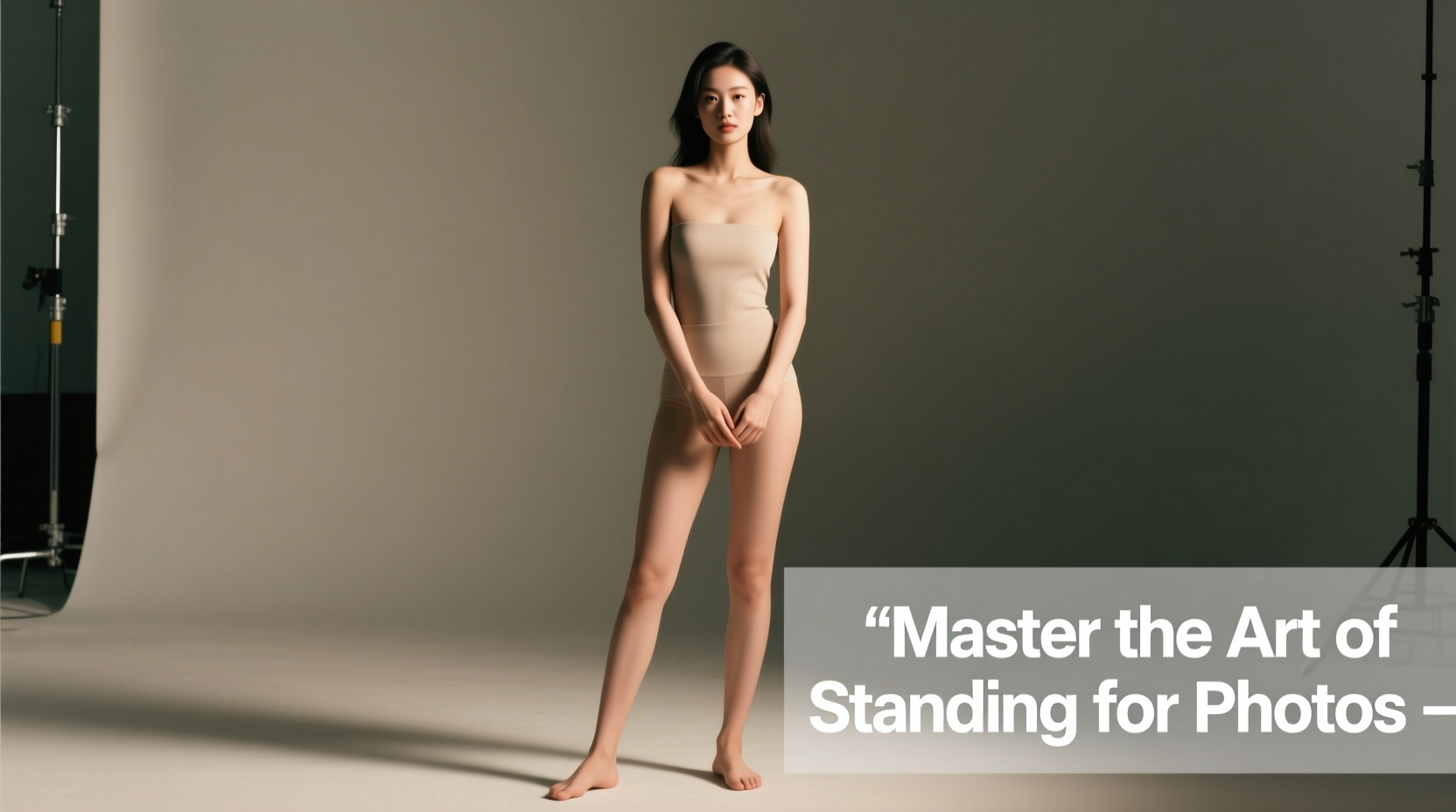
Your stance communicates more than you realize. A slouched back suggests disinterest; crossed arms can read as defensive; rigid shoulders signal tension. In contrast, an aligned, relaxed posture projects confidence and approachability. Professional photographers and image consultants agree: the foundation of a great photo is physical awareness.
“Your body language in a photograph speaks before your face does. A slight tilt of the hip or shift of weight can make the difference between looking posed and looking authentic.” — Lena Torres, Celebrity Photographer
The human eye is drawn to symmetry and balance. When your posture supports these principles, you appear more composed—even if you're smiling mid-laugh or caught in motion. Understanding basic alignment allows you to adapt naturally across different settings, from formal portraits to candid events.
5 Foundational Tips for Standing Naturally in Photos
1. Engage Your Core Slightly
Tightening your abdominal muscles just enough to support your spine prevents slouching without making you look stiff. Think “gentle engagement,” not “suck it in.” This small adjustment improves posture and elongates your silhouette.
2. Relax Your Shoulders Down and Back
Most people carry tension in their shoulders. Before a shot, roll them gently backward and let them settle. This opens the chest and creates a more open, welcoming appearance.
3. Angle Your Body
Instead of facing the camera head-on, turn your body at a 30- to 45-degree angle. This creates depth, defines your waistline, and avoids the flat, two-dimensional look of a full frontal stance.
4. Bend One Knee Slightly
Locking both knees makes legs look rigid and unnatural. By bending one knee and shifting weight to the back leg, you introduce fluidity into your pose and reduce strain.
5. Keep Your Chin Parallel to the Floor
Jutting your chin forward or tilting it down can create unflattering neck lines. Instead, keep your head level and imagine a string gently pulling the crown upward.
Step-by-Step Guide: Preparing for a Photo Shoot
Confidence in front of the camera comes from preparation, not instinct. Follow this timeline to ensure you’re ready to shine when the lens turns your way.
- 48 Hours Before: Hydrate well and get quality sleep. Skin and energy levels are directly impacted by rest.
- 2 Hours Before: Do light stretching or yoga to release muscle tension, especially in the neck and shoulders.
- 30 Minutes Before: Practice your stance in a mirror. Try three variations: hands on hips, one hand in pocket, arms loosely at sides.
- 5 Minutes Before: Take deep breaths. Smile briefly to relax facial muscles. Remind yourself: “I belong here.”
- During the Shoot: Focus on breathing steadily. Listen to the photographer’s cues and move slowly between poses.
Do’s and Don’ts: Common Poses Compared
| Scenario | Do | Don’t |
|---|---|---|
| Full-body portrait | Stand at a slight angle, weight on back leg, hands lightly touching clothing | Stand straight-on with hands clasped tightly |
| Group photo | Step slightly forward or lean in subtly to show engagement | Hide behind others or fold arms defensively |
| Candid moment | Let your hands rest naturally—on a chair, in pockets, or gesturing | Clasp hands in front like a statue |
| Professional headshot | Keep shoulders relaxed, eyes engaged, jaw slightly back | Smile too wide or tilt head excessively |
Real Example: From Awkward to Assured
Sarah, a marketing executive, dreaded team photos and client meetings requiring pictures. She described herself as “the person who always looks tense in group shots.” After working with a personal branding coach, she applied a few key changes: angling her body toward the camera, placing one hand casually in her blazer pocket, and practicing a soft, genuine smile in the mirror. At the next company retreat, colleagues commented on how “put together” and “approachable” she looked in photos. The transformation wasn’t in her appearance—it was in her posture and mindset.
Expert Insight: What Photographers Look For
“The best subjects aren’t the most conventionally attractive—they’re the ones who know how to inhabit their space. A slight lean, a turned shoulder, a relaxed jaw—these micro-adjustments tell a story of confidence.” — Marcus Reed, Portrait Photographer with 15+ years in corporate imaging
Reed emphasizes that authenticity trumps perfection. “Clients often want to ‘fix’ things about themselves in photos. But I’d rather work with someone who stands with intention than someone trying to hide.”
Checklist: Your Go-To Pose Prep Routine
- ✅ Stand with feet hip-width apart, one slightly behind the other
- ✅ Roll shoulders back and down
- ✅ Gently engage core muscles
- ✅ Tilt pelvis slightly forward to avoid arching lower back
- ✅ Keep chin level, gaze slightly above the lens
- ✅ Relax hands—try resting thumbs in pockets or letting fingers graze clothing
- ✅ Breathe deeply before each shot to release tension
Frequently Asked Questions
How can I stop looking stiff in photos?
Stiffness often comes from overthinking. Instead of freezing into a “pose,” think of movement: shift your weight, adjust your jacket, laugh at a joke. Motion creates natural lines. Also, avoid locking joints—keep knees and elbows slightly bent.
What should I do with my hands?
Hands are expressive but often neglected. Avoid clasping them tightly. Better options: rest thumbs in pockets (not all fingers), lightly touch your collar or lapel, hold a prop (like a coffee cup), or let arms hang with palms slightly forward. If sitting, place hands gently on your thighs.
Does height or body type affect how I should stand?
All bodies photograph beautifully with proper alignment. Shorter individuals may benefit from stepping slightly forward in group shots. Taller people should avoid hunching to blend in—own your height. Curvier figures often look best angled, with one hand near the waist to define shape. The goal is balance, not alteration.
Conclusion: Own Your Presence
Looking natural and confident in photos isn’t about changing who you are—it’s about presenting your best self with intention. The right stance aligns your body, calms your mind, and lets your personality shine through. These techniques aren’t reserved for models or influencers; they’re tools for anyone who wants to feel seen and respected in visual moments.
You don’t need hours of practice or expensive gear. Start today: stand in front of a mirror, apply one tip from this guide, and notice the difference. Then use it at your next event, meeting, or family gathering. Confidence grows with repetition. Every time you stand with purpose, you reinforce the message: *I am here, and I belong.*




 浙公网安备
33010002000092号
浙公网安备
33010002000092号 浙B2-20120091-4
Comments
No comments yet. Why don't you start the discussion?