
Dancing is more than movement—it’s expression, rhythm, and connection. For many beginners, stepping onto a dance floor or into a studio can feel intimidating. Yet confidence in dance isn’t reserved for the naturally gifted; it’s built through consistent practice, mindful learning, and a clear understanding of foundational techniques. This guide continues where foundational knowledge ends, focusing on refining your skills, overcoming mental barriers, and developing the kind of presence that turns hesitant steps into compelling performance.
Understanding Rhythm and Musicality
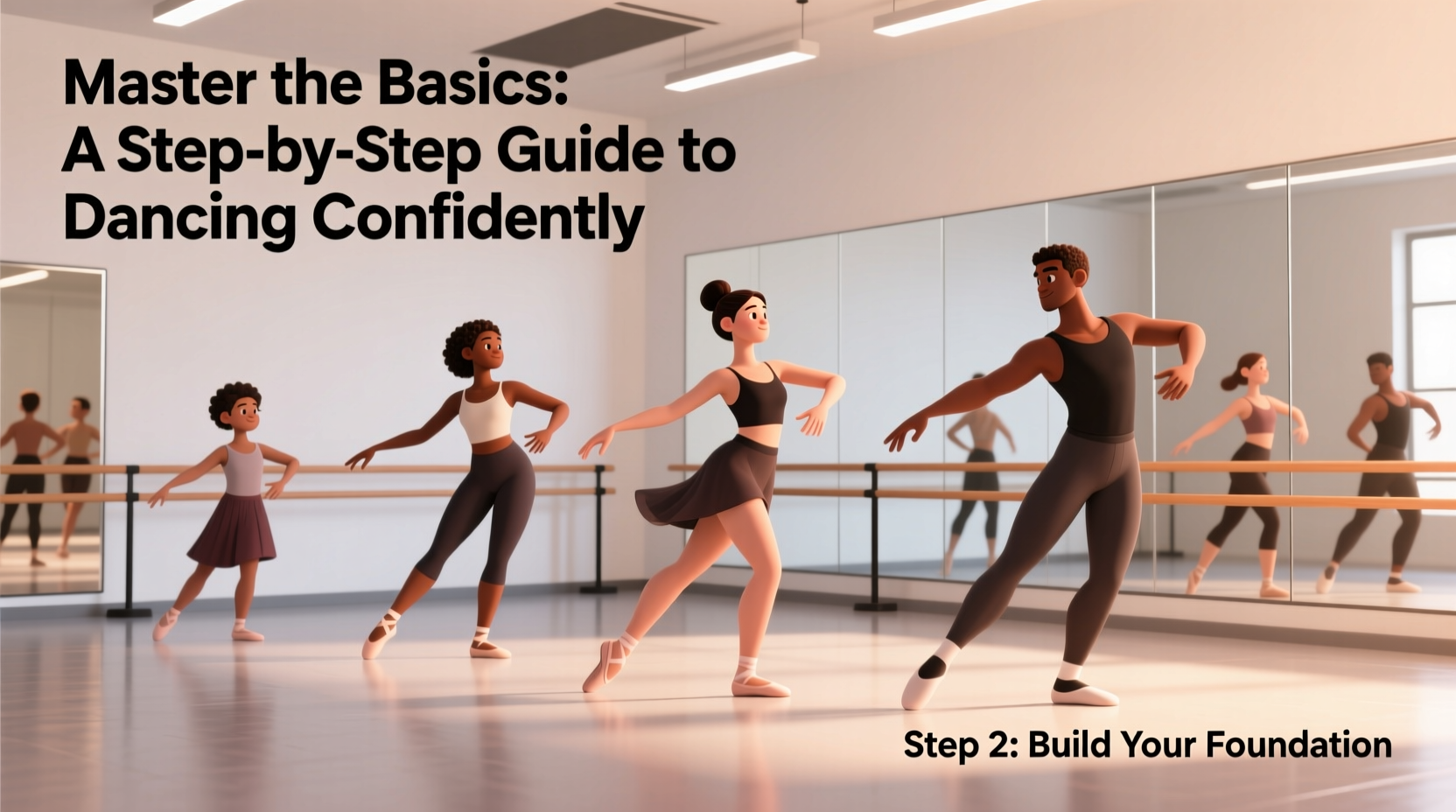
One of the most common challenges for new dancers is staying in time with the music. While learning choreography is important, true dancing happens when you internalize the beat and respond to the nuances of a song—its tempo, accents, dynamics, and emotional tone.
To develop musicality:
- Listen to a variety of music daily, even without moving. Tap your foot or clap along to identify the downbeat (the first beat in each measure).
- Practice counting rhythms out loud: “1-2-3-4” for four-beat patterns, adjusting for different time signatures.
- Break songs into sections—verse, chorus, bridge—and notice how instrumentation changes. This helps anticipate transitions in choreography.
“Dancers don’t just move to music—they converse with it.” — Lila Torres, Professional Choreographer and Dance Educator
Building Body Awareness and Control
Confident dancing stems from knowing what your body is doing at all times. Without awareness, movements become stiff or erratic. Developing kinesthetic sensitivity allows you to execute clean lines, smooth transitions, and intentional gestures.
Begin with isolation drills—practicing individual body parts independently:
- Neck rolls and tilts to loosen tension and improve head movement precision.
- Shoulder shrugs, front-to-back rolls, and lateral slides to enhance upper body articulation.
- Pelvic tilts and circles for grounding and hip control in styles like Latin or urban dance.
- Foot point-and-flex exercises to strengthen ankle stability and add sharpness to footwork.
Perform these daily for 5–10 minutes in front of a mirror. Focus not just on correctness, but on fluidity and minimizing unnecessary tension.
Common Tension Traps and How to Avoid Them
| Tension Area | Signs It’s Overactive | Solutions |
|---|---|---|
| Shoulders | Hunched up near ears, limited arm range | Roll shoulders backward every 10 minutes during practice; breathe deeply between phrases |
| Jaw/Neck | Clenched teeth, tight neck muscles | Consciously relax jaw; hum softly while dancing to release tension |
| Hands | Fists clenched or limp fingers | Practice hand shapes separately—open palm, claw, flick—and integrate slowly |
Step-by-Step: Creating Your Weekly Practice Routine
Consistency beats intensity when building dance confidence. A structured weekly plan ensures balanced development across technique, stamina, creativity, and performance.
- Day 1 – Foundation & Warm-Up (30 min)
Focus on posture, alignment, and isolations. Include 5 minutes of stretching and 10 minutes of rhythmic foot tapping or marching in place. - Day 2 – Learn a Short Phrase (45 min)
Study a simple 8-count sequence from an online tutorial. Repeat until muscle memory kicks in. Record yourself to assess timing and clarity. - Day 3 – Freestyle & Musical Response (20 min)
Play a song and move freely, responding only to what you hear—no choreography. Challenge yourself to use the entire space. - Day 4 – Technique Drill Day (30 min)
Target weak areas: balance, turns, coordination. Use mirrors or video feedback. - Day 5 – Combine & Perform (40 min)
Link two learned phrases together. Add dynamics—slow one part, accent another. Perform for a friend or camera. - Day 6 – Rest or Light Movement
Walk, stretch, or do gentle yoga. Recovery supports progress. - Day 7 – Review & Reflect (30 min)
Watch your recordings from the week. Note improvements and set one goal for the next week.
A Real Example: From Shyness to Stage Confidence
Maya, a 28-year-old office worker, had always loved music but avoided dancing due to self-consciousness. She started with 10-minute home sessions three times a week, following beginner tutorials in jazz funk. At first, she struggled to coordinate her arms and legs simultaneously and often stopped mid-movement out of frustration.
Her turning point came when she began filming short clips and watching them objectively—not to judge, but to observe. She noticed her right shoulder lifted too high during side steps. Once aware, she corrected it within days. After six weeks, she joined a low-pressure community class. By week ten, she performed in a small showcase with five others. Her movements weren’t perfect, but they were expressive and in time. “I finally stopped seeing mistakes,” she said later. “I saw progress.”
Essential Do’s and Don’ts for Beginner Dancers
| Do | Don't |
|---|---|
| Warm up before every session—even if short | Rush into fast movements cold |
| Practice barefoot or in proper dance shoes | Dance in socks on slippery floors |
| Start simple and master basics before advancing | Try advanced tricks without foundational strength |
| Use mirrors or recording for feedback | Compare your early progress to professionals |
| Breathe steadily while dancing | Hold your breath during challenging sequences |
FAQ
How long does it take to feel confident dancing?
Most beginners report noticeable improvement in comfort and coordination within 4–6 weeks of consistent practice (3–4 sessions per week). True confidence—where movement feels natural and enjoyable—typically emerges around 3–6 months, depending on frequency and mindset.
I have no sense of rhythm. Can I still learn to dance?
Absolutely. Rhythm is a skill, not an innate gift. Nearly everyone can develop it with focused listening and repetition. Start with walking to the beat of steady songs (like pop or funk), then layer in clapping or arm swings. Over time, your body will sync automatically.
Should I take classes or learn at home?
Both approaches work well together. Home practice builds discipline and personal expression. Classes offer real-time correction, social motivation, and exposure to diverse styles. If possible, begin with one structured class per week supplemented by home drills.
Final Checklist: Building Unshakeable Dance Confidence
- ✅ Practice rhythm recognition daily, even off the dance floor
- ✅ Perform isolation exercises to improve body control
- ✅ Record yourself weekly to track progress
- ✅ Follow a balanced weekly routine including freestyle and choreography
- ✅ Address physical tension through breath and mindful movement
- ✅ Set small, measurable goals (e.g., “nail this 16-count phrase by Friday”)
- ✅ Celebrate non-perfection-based wins: consistency, courage, creativity
Conclusion
Confidence in dance grows not from flawlessness, but from persistence. Every great dancer was once a beginner who chose to keep going. You don’t need natural talent—just willingness to show up, listen closely, and move with intention. The steps will follow. The rhythm will come. And one day, you’ll realize you’re not just dancing to impress, but to express.




 浙公网安备
33010002000092号
浙公网安备
33010002000092号 浙B2-20120091-4
Comments
No comments yet. Why don't you start the discussion?