
Cooking is more than just a life skill—it’s an act of creativity, nourishment, and connection. Yet many people hesitate in the kitchen, fearing mistakes or inconsistent results. The truth is, confidence in cooking doesn’t come from perfection. It comes from understanding fundamentals, practicing consistently, and embracing the process. By mastering a few essential steps, anyone can move from uncertainty to assurance at the stove.
1. Start with the Right Mindset
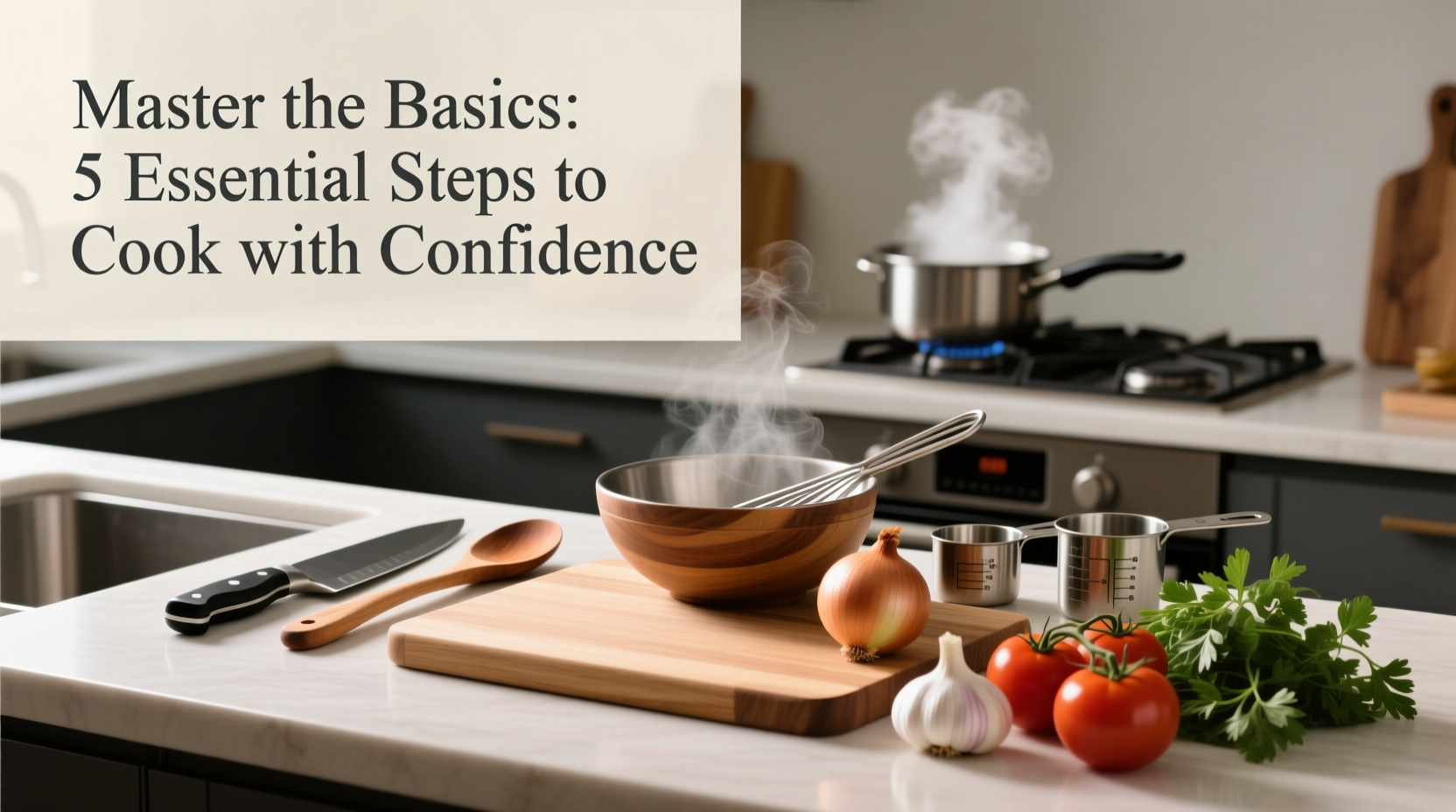
Before handling a single ingredient, it’s crucial to shift your perspective. Cooking isn’t about replicating restaurant dishes flawlessly on the first try. It’s about learning through doing. Mistakes are not failures—they’re feedback. A slightly overcooked sauce teaches you heat control. Oversalted soup reminds you to taste as you go. Every outcome contributes to your growing expertise.
Approach cooking with curiosity rather than pressure. Ask questions: Why does this ingredient react this way? What happens if I sear the meat longer? This mindset fosters resilience and encourages exploration, both of which are key to building lasting confidence.
“Confidence in the kitchen begins when you stop seeing yourself as someone who ‘can’t cook’ and start seeing yourself as someone who’s learning to cook.” — Daniel Klein, chef and culinary educator
2. Build a Foundation with Essential Techniques
Just as a house needs a strong foundation, so does your cooking ability. Mastering a handful of core techniques opens the door to preparing countless dishes. Focus on these foundational skills first:
- Mise en place: French for “everything in its place,” this means prepping and organizing ingredients before cooking. Chop vegetables, measure spices, and have tools ready. This reduces stress and prevents last-minute scrambling.
- Searing and browning: Creating a golden crust on meats or vegetables enhances flavor through the Maillard reaction. Use high heat and avoid overcrowding the pan.
- Sautéing: Cook food quickly in a small amount of oil over medium-high heat. Stir frequently for even cooking.
- Simmering and reducing: Gently cook liquids to develop depth. Simmering keeps flavors balanced; reducing concentrates them.
- Knife skills: Learn proper grip and cutting techniques (e.g., claw grip, rocking motion). Efficient chopping saves time and improves consistency.
Practice one technique per week. For example, dedicate Monday to perfecting a simple omelet—focusing only on controlling heat and timing. Repetition builds muscle memory and eliminates hesitation.
Essential Cooking Techniques Checklist
- Prep all ingredients before heating the pan
- Use sharp knives for safer, cleaner cuts
- Season in layers—not just at the end
- Taste food throughout the cooking process
- Let meat rest after cooking to retain juices
3. Stock a Smart Pantry and Kitchen
A well-equipped kitchen removes friction and empowers decision-making. You don’t need every gadget, but having key tools and staples ensures you can always make something satisfying.
| Category | Essentials | Optional but Helpful |
|---|---|---|
| Pantry Staples | Olive oil, salt, black pepper, garlic, onions, canned tomatoes, rice, pasta, soy sauce | Vinegars, dried herbs, anchovies, miso paste |
| Equipment | Sharp chef’s knife, cutting board, mixing bowls, skillet, saucepan, wooden spoon, colander | Microplane, tongs, instant-read thermometer |
| Spices & Seasonings | Salt, pepper, paprika, cumin, oregano, red pepper flakes | Toasted sesame oil, sumac, za’atar |
With these basics, you can prepare scrambled eggs, sautéed greens, stir-fries, soups, and pastas without needing a grocery run. Confidence grows when you know you’re capable of making a meal from what’s already on hand.
4. Follow a Simple Step-by-Step Progression
Learning to cook doesn’t require jumping into complex recipes. Instead, follow a logical progression that builds skills gradually.
- Week 1–2: Master one-pan meals. Examples: scrambled eggs, grilled cheese, stir-fried vegetables. Goal: understand heat control and timing.
- Week 3–4: Practice proteins. Cook chicken breasts, ground beef, or fish fillets. Focus on internal temperature and resting time.
- Week 5–6: Build simple sauces. Make tomato sauce, vinaigrette, or pan gravy. Learn how to balance acidity, sweetness, and salt.
- Week 7–8: Combine components. Assemble full plates: protein + starch + vegetable. Example: roasted chicken, quinoa, and steamed broccoli.
- Week 9+: Experiment and adapt. Modify recipes based on taste and available ingredients. Try substituting herbs or adjusting spice levels.
This timeline creates momentum. Each step reinforces the previous one while introducing manageable challenges.
5. Real Example: From Fear to Fried Rice
Consider Sarah, a working professional who avoided cooking for years. She believed she “wasn’t good at it” and relied on takeout. After committing to three simple dinners per week, she started with scrambled eggs. By week four, she was confidently searing chicken and reheating leftover rice. One evening, inspired by a recipe, she combined everything in the fridge—diced carrots, frozen peas, egg, soy sauce—and made fried rice. It wasn’t perfect, but it was hers. That moment marked a turning point: she realized she could create meals without a script.
Sarah’s story reflects a common journey. Confidence didn’t arrive overnight. It built incrementally, fueled by repetition and small wins.
Common Pitfalls and How to Avoid Them
Even with good intentions, beginners often fall into predictable traps. Recognizing these early helps maintain motivation.
- Overcomplicating recipes: Start with five-ingredient meals. Complexity comes later.
- Skipping seasoning: Salt enhances flavor, but add it gradually. Taste before serving.
- Using low heat when high is needed: Searing requires sufficient heat. Don’t be afraid of a little smoke (with ventilation).
- Fear of undercooking meat: Invest in an instant-read thermometer. Chicken is safe at 165°F (74°C), beef steak at 130–145°F depending on preference.
Frequently Asked Questions
How do I know when meat is cooked properly?
The most reliable method is using an instant-read thermometer. Visual cues help too: chicken should no longer be pink, fish should flake easily, and ground meat should be fully browned. Always let meat rest for 3–5 minutes after cooking to allow juices to redistribute.
I keep burning food. What am I doing wrong?
Burning often results from heat that’s too high or lack of attention. Stay near the stove when sautéing or searing. Use medium heat for delicate items like eggs or garlic. If food sticks or burns, lower the heat and give the pan time to adjust.
Can I cook well without following recipes exactly?
Absolutely. Once you understand basic ratios—like 2:1 water to rice or 3:1 oil to vinegar for dressing—you can improvise. Recipes are guides, not laws. Adjust to taste, substitute ingredients, and trust your instincts as you gain experience.
Take the First Step Today
Confidence in cooking isn’t reserved for professionals or natural talents. It’s earned through practice, patience, and permission to make mistakes. Begin with a single meal. Prep your ingredients. Heat the pan. Stir. Taste. Adjust. Repeat. Over time, these actions become second nature.
You don’t need a fancy kitchen or decades of experience. You need willingness—to try, to fail, and to try again. The kitchen rewards effort more than perfection. Every dish you make strengthens your skills and deepens your relationship with food.




 浙公网安备
33010002000092号
浙公网安备
33010002000092号 浙B2-20120091-4
Comments
No comments yet. Why don't you start the discussion?