
Authentic vintage fashion isn’t about wearing old clothes—it’s about understanding the cultural fabric of American decades past and translating their spirit into wearable, modern statements. From 1940s workwear to 1970s denim rebellion, American style has always reflected social change, innovation, and individuality. To master it requires more than thrift store scavenging; it demands intention, research, and an eye for detail. This guide breaks down how to build genuine vintage-inspired wardrobes rooted in historical accuracy, personal expression, and lasting appeal.
The Foundation: Understanding American Style by Decade
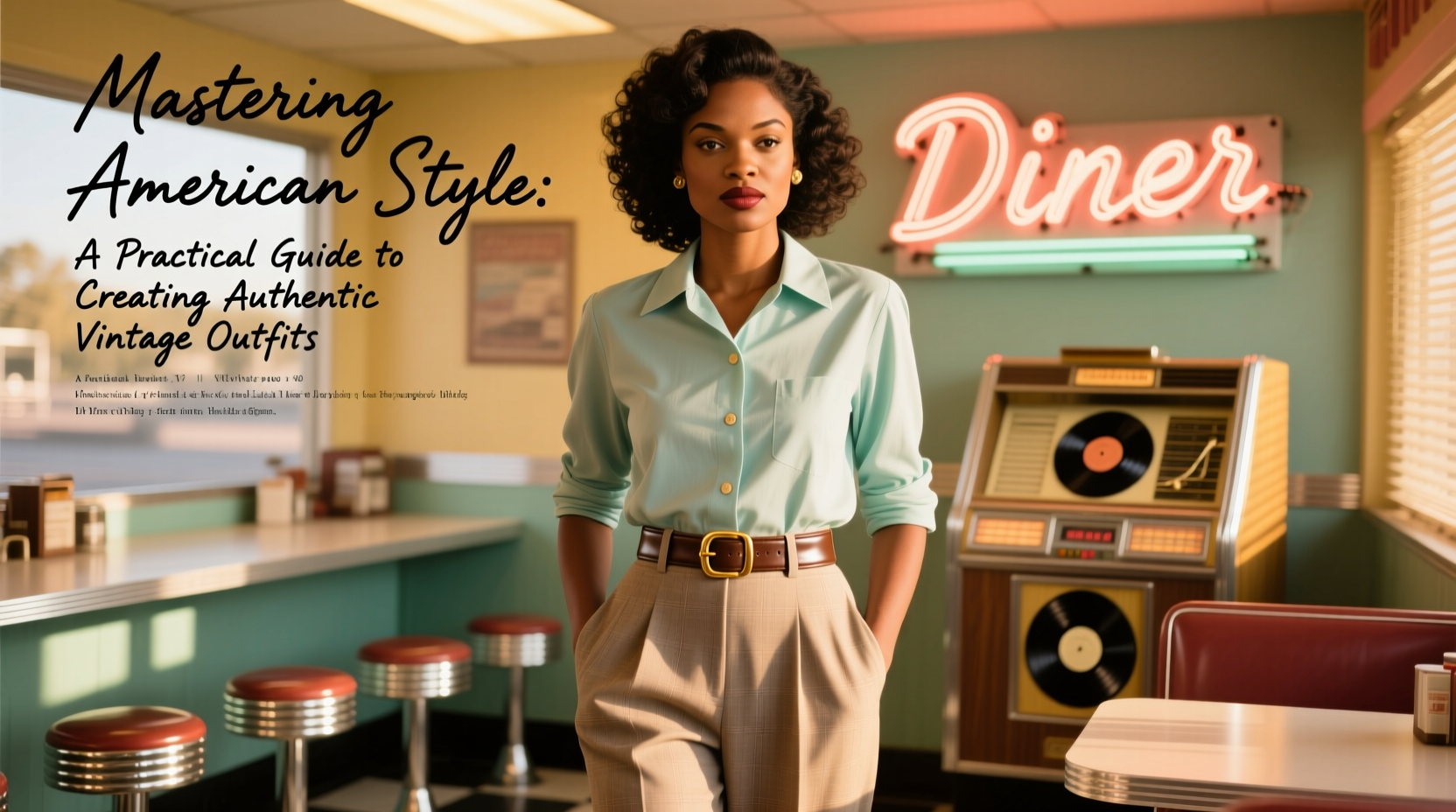
American fashion evolved dramatically throughout the 20th century, shaped by war, economic shifts, music, and civil rights movements. Each era produced distinct silhouettes, fabrics, and attitudes. Recognizing these differences is essential to avoid costume-like missteps.
- 1940s: Wartime utility influenced tailored jackets, high-waisted skirts, and shoulder pads. Fabrics were often rayon or wool due to silk rationing.
- 1950s: Post-war prosperity brought full skirts, cinched waists, poodle skirts, and greaser aesthetics—think saddle shoes, leather jackets, and rolled-up jeans.
- 1960s: Youth culture exploded. Mod styles, go-go boots, shift dresses, and military-inspired pieces defined the early decade; tie-dye and peasant blouses followed with the counterculture movement.
- 1970s: Denim dominated. Flared pants, corduroy, earth tones, and bohemian layers reflected both disco glam and rural retreats.
- 1980s: Bold shoulders, neon colors, acid wash denim, and athletic wear merged pop culture with excess.
- 1990s: Grunge flannel, minimalist Calvin Klein looks, oversized silhouettes, and hip-hop streetwear coexisted in a fragmented but influential landscape.
To create authenticity, identify which era resonates most with your lifestyle and body type. A 1950s pin-up look may not suit daily errands, but its core elements—high-waist trousers, tucked-in tees, cat-eye sunglasses—can be adapted subtly.
Building Blocks: Essential Vintage Wardrobe Staples
True vintage style relies on foundational pieces that echo specific eras while remaining functional today. These are not costumes but reinterpreted classics.
- Denim Jeans: Levi’s 501s from the 1970s–1990s remain iconic. Look for red tabs, arcuate stitching, and copper rivets. Straight-leg or slight flare cuts offer versatility.
- Workwear Jackets: Chore coats, denim truckers, and WWII-era flight jackets (like the A-2 or MA-1) convey rugged Americana without appearing theatrical.
- Oxford Shirts & Button-Downs: Classic Brooks Brothers or vintage J.Crew pieces in pale blue, white, or gingham signal preppy heritage with ease.
- Sneakers: Converse Chuck Taylors, PF Flyers, or vintage Nikes (e.g., Cortez, Blazers) ground any outfit in casual authenticity.
- Dresses: Shirtwaist dresses (1940s), fit-and-flare silhouettes (1950s), and prairie-style midi dresses (1970s) can be worn year-round with modern layering.
Fabric matters. Natural fibers like cotton, wool, and linen age better and breathe more comfortably than synthetics common in reproductions. Seek garments with felled seams, chain-stitch hems, and single-needle construction—hallmarks of older manufacturing techniques.
Do’s and Don’ts of Authentic Styling
Many vintage attempts fail not because of the clothing itself, but how it’s styled. Balance is key—too many retro elements at once become a caricature.
| Do | Don't |
|---|---|
| Mix one standout vintage piece with modern basics (e.g., vintage bomber + black tee + contemporary jeans) | Wear head-to-toe vintage unless you’re attending a themed event |
| Alter garments for proper fit—vintage sizing rarely matches modern standards | Force ill-fitting clothes to “look authentic” |
| Use vintage accessories (belts, watches, hats) to elevate simple outfits | Over-accessorize with multiple loud prints or era-clashing items |
| Learn garment care: hand-wash delicate items, air dry, store folded | Machine-wash fragile fabrics like rayon or acetate without checking labels |
| Research brand histories—knowing when a label used certain zippers or tags adds credibility | Assume all old clothes are “vintage”; true vintage typically means 20+ years old |
Step-by-Step: Creating Your First Authentic Vintage Outfit
Follow this five-step process to assemble a historically grounded yet wearable ensemble:
- Choose an Era Anchor: Pick one decade as your starting point. For example, focus on late 1970s California casual—denim, tees, leather boots.
- Find One Core Vintage Piece: Source a genuine item from that era, such as vintage Lee 101J jeans with a red tab and deep fade.
- Select Complementary Modern Basics: Pair with a plain white crewneck and minimalist watch to keep attention on the jeans.
- Add Era-Appropriate Footwear: Choose Frye Harness boots or Wallabees, both popular in the 1970s.
- Refine with Details: Include a vintage-inspired accessory—a brown leather belt with a brass buckle or aviator sunglasses—to reinforce the theme subtly.
This method prevents overload and builds confidence in curating cohesive narratives through clothing.
“Authenticity in vintage fashion comes not from replicating the past exactly, but from respecting its craftsmanship and context.” — Dana Miller, Curator of Fashion History, Museum of the City of New York
Real Example: Sarah’s Transition to Timeless Style
Sarah, a graphic designer in Portland, wanted to move away from fast fashion toward a more meaningful wardrobe. She began by researching 1950s workwear after seeing photos of female factory workers in Detroit during WWII. Inspired by their practical yet polished style, she sourced a navy blue chambray shirt from 1952 with pen slots in the chest pocket—originally designed for industrial use.
She paired it with high-waisted, wide-leg black trousers (modern repro, but accurate cut) and brown oxfords. Over time, she added a 1960s wool trench coat and vintage Ray-Ban Wayfarers. Her colleagues noticed the change—not because she looked “costumed,” but because her outfits felt intentional and put-together.
By anchoring her look in real history and prioritizing fit and quality, Sarah created a personal aesthetic that honored the past without sacrificing comfort or professionalism.
Vintage Care Checklist
Maintaining vintage clothing ensures longevity and preserves value. Use this checklist regularly:
- ✅ Inspect seams and underarms for wear before each wear
- ✅ Store folded or on padded hangers—wire hangers distort shoulders
- ✅ Keep in breathable cotton garment bags, not plastic
- ✅ Rotate pieces seasonally to reduce strain on fabrics
- ✅ Repair small tears or loose buttons immediately
- ✅ Avoid direct sunlight to prevent fading, especially in dyes from the 1960s–70s
- ✅ Use pH-neutral detergent for hand washing; never bleach
Frequently Asked Questions
How do I know if a vintage piece is authentic?
Check labels, construction details, and materials. Pre-1970s garments often have hand-stitched linings, metal zippers (Talons or Coopers), and paper or woven jute labels. Compare with known examples online via collector forums or museum databases.
Is it okay to alter vintage clothing?
Yes—if done carefully. Minor alterations like hemming or taking in sides preserve wearability. Avoid irreversible changes like cutting or dyeing unless the piece is already damaged or non-unique.
Where should I shop for authentic vintage?
Prioritize curated vintage shops, estate sales, and specialized online platforms like Etsy (with detailed seller photos) or specialized dealers on Instagram. Avoid mass-market resale apps where reproduction items are often mislabeled as vintage.
Final Thoughts: Wear History With Purpose
Mastering American vintage style isn’t about nostalgia—it’s about drawing strength from what came before. Every stitch, fade, and button tells a story. When you wear vintage thoughtfully, you participate in a deeper conversation about identity, sustainability, and design legacy.
Start small. Build slowly. Respect the craft. Let your wardrobe reflect not just what you like, but who you are—and where you’ve drawn inspiration from. The most authentic look isn’t found in replication, but in reinterpretation.




 浙公网安备
33010002000092号
浙公网安备
33010002000092号 浙B2-20120091-4
Comments
No comments yet. Why don't you start the discussion?