
Autumn is a season of transition—crisp mornings, cool evenings, and unpredictable weather. While the short jacket remains a staple in any wardrobe for its sleek silhouette and effortless style, it often falls short when temperatures drop. The key to staying warm without sacrificing fashion lies in mastering the art of layering. When done correctly, layering under a short jacket enhances both comfort and visual appeal, transforming a simple outerwear piece into a dynamic component of seasonal dressing.
Unlike longer coats that naturally trap heat from head to thigh, short jackets leave gaps at the waist and hips. This makes strategic layering essential. The goal isn’t just to add bulk but to build depth—texturally, tonally, and functionally—so each outfit adapts seamlessly from morning commutes to evening outings.
The Layering Principle: Build from the Inside Out
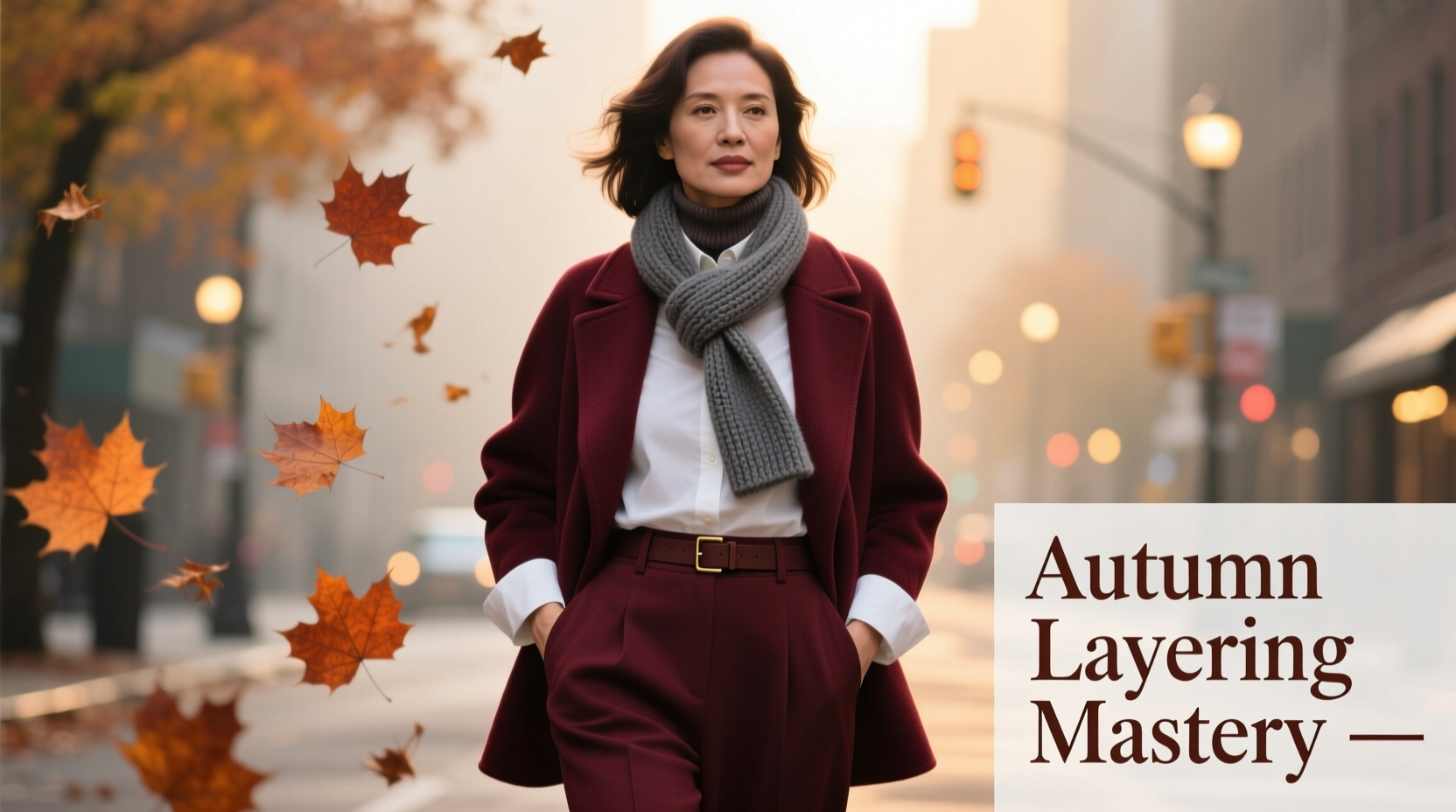
Effective layering follows a three-tier system: base, mid, and outer. Each layer serves a distinct purpose, and understanding their roles ensures you stay warm without overheating or looking bulky.
- Base Layer: Closest to the skin, this layer manages moisture and regulates body temperature. Opt for lightweight fabrics like merino wool, silk, or technical synthetics that wick sweat while retaining heat.
- Mid Layer: This insulating layer traps warmth. Think sweaters, cardigans, vests, or flannel shirts. It should be breathable and compressible to fit smoothly under your jacket.
- Outer Layer: Your short jacket acts as protection against wind and light rain. Choose structured styles with clean lines—denim, bomber, or tailored blazers work best.
Choosing the Right Jacket and Fit
Not all short jackets are created equal when it comes to layering. A poorly cut jacket will restrict movement and create unsightly bulges. Prioritize fit and structure:
- Select a jacket with slightly roomier shoulders and chest if you plan to wear chunky knits underneath.
- Look for adjustable elements like drawstrings, belted waists, or snap cuffs to fine-tune the seal against cold air.
- Consider length: a cropped moto jacket pairs well with high-waisted trousers, allowing space for a sweater without cutting off circulation at the waist.
“Fit is everything in layering. A jacket that’s too tight won’t accommodate even a thin sweater, defeating the purpose of versatility.” — Marcus Lin, Menswear Stylist & Seasonal Trends Analyst
Smart Fabric Pairings for Thermal Efficiency
Material choice impacts both warmth and drape. Combining natural and technical fabrics maximizes performance without compromising aesthetics.
| Layer | Recommended Fabrics | Avoid |
|---|---|---|
| Base | Merino wool, silk, micro-modal, thermal knit | Cotton (retains moisture), thick fleece |
| Mid | Cashmere, lambswool, cotton flannel, quilted nylon | Bulky acrylic blends, stiff denim |
| Outer | Waxed cotton, suede, garment-dyed nylon, softshell | Non-breathable plastics, rigid leather |
For instance, pairing a merino base with a cashmere crewneck and finishing with a waxed cotton trucker jacket creates a breathable, insulated ensemble that moves with you and resists wind chill.
Step-by-Step Guide: Building a Versatile Autumn Outfit
Follow this five-step process to construct a layered look that transitions across settings and temperatures.
- Start with a fitted long-sleeve top: Choose a neutral-toned merino blend in black, navy, or heather gray. Tuck it into high-waisted pants or jeans for a clean foundation.
- Add a mid-weight sweater: Slip on a V-neck or shawl-collar cardigan to allow visibility of the base layer. Alternatively, use a sleeveless quilted vest for core warmth without arm restriction.
- Incorporate texture contrast: If wearing a smooth leather bomber, pair it with a cable-knit pullover beneath. The juxtaposition adds visual interest and depth.
- Adjust for activity: Remove the mid layer during indoor meetings; keep the jacket zipped or buttoned to retain residual warmth.
- Finish with accessories: A lightweight scarf tucked inside the jacket opening extends coverage, while gloves and a beanie complete the defense against wind.
Real-World Example: Olivia’s Work-to-Weekend Transition
Olivia, a graphic designer in Portland, Oregon, faces fluctuating autumn conditions daily. Her office is warm, but her bike commute exposes her to damp, chilly air. She relies on a layered short jacket system:
- Morning: Merino turtleneck + corduroy shirt + olive chore jacket
- Workday: Removes the jacket upon arrival, rolls sleeves of the shirt for breathability
- Evening: Reapplies jacket, adds a compact wool-blend scarf stored in her bag
This modular approach allows her to maintain professionalism indoors while staying protected outdoors—all using one short jacket as the anchor piece.
Dos and Don’ts of Short Jacket Layering
| Do | Don’t |
|---|---|
| Use tonal layering (e.g., charcoal under black) for a streamlined effect | Mix more than three colors in one outfit—it distracts from structure |
| Choose mid layers with lower profiles (raglan sleeves, flat seams) | Wear hoodies under tailored jackets—they disrupt the shoulder line |
| Experiment with reversible vests for quick warmth switches | Let hems gap between layers—tuck or match lengths intentionally |
| Invest in stretch-infused fabrics for mobility | Over-layer to the point of restricted arm movement |
Frequently Asked Questions
Can I layer a hoodie under a short jacket?
Yes, but only with casual outerwear like oversized denim or field jackets. Avoid pairing hoodies with structured blazers or leather—bulky hoods distort tailored silhouettes. For a cleaner look, opt for a hoodless sweatshirt or zip-up fleece.
How do I prevent my layers from bunching at the waist?
Bunching occurs when layers are too long or loose. Ensure your mid layer ends above the hip line and matches the jacket’s hemline. Tucking the base layer and using slim-fitting knits reduces excess fabric. Belting the jacket can also smooth transitions between pieces.
Is it possible to layer stylishly in humid autumns?
Absolutely. Focus on breathable, moisture-wicking materials like merino wool and technical blends. Use open-weave cardigans or unlined vests as mid layers. These allow airflow while providing incremental warmth when breezes pick up.
Checklist: Mastering Autumn Layering
- ✓ Assess your short jacket’s fit for layering potential
- ✓ Stock up on quality base layers in neutral tones
- ✓ Select 2–3 versatile mid layers (e.g., crewneck, cardigan, vest)
- ✓ Test full range of motion when wearing all layers
- ✓ Keep a foldable accessory (scarf, beanie) in your bag
- ✓ Rotate textures and weights based on forecast
- ✓ Avoid over-layering—three layers max for mobility and style
Conclusion: Elevate Your Autumn Wardrobe Today
Mastering autumn style isn’t about owning the most pieces—it’s about maximizing what you have. A single short jacket, thoughtfully layered, can serve as the foundation for dozens of adaptable outfits. By understanding fabric synergy, fit dynamics, and functional design, you gain control over comfort and appearance, no matter how fickle the season becomes.




 浙公网安备
33010002000092号
浙公网安备
33010002000092号 浙B2-20120091-4
Comments
No comments yet. Why don't you start the discussion?