
Bag charms have evolved from simple trinkets into bold fashion statements—personalizing handbags, elevating minimalist designs, and expressing individuality. Yet, nothing undermines a polished look faster than a dangling charm that slips off mid-stride or damages the bag’s hardware. The key lies not in avoiding them altogether, but in mastering secure, stylish attachment. Whether you’re accessorizing a designer tote or a vintage satchel, understanding the right techniques ensures your charm stays put while preserving the integrity of your purse.
Secure charm styling isn’t just about aesthetics—it’s about longevity, functionality, and respect for craftsmanship. This guide dives deep into proven methods, material considerations, and subtle details that make all the difference when attaching bag charms with confidence.
Choosing the Right Charm and Attachment Method
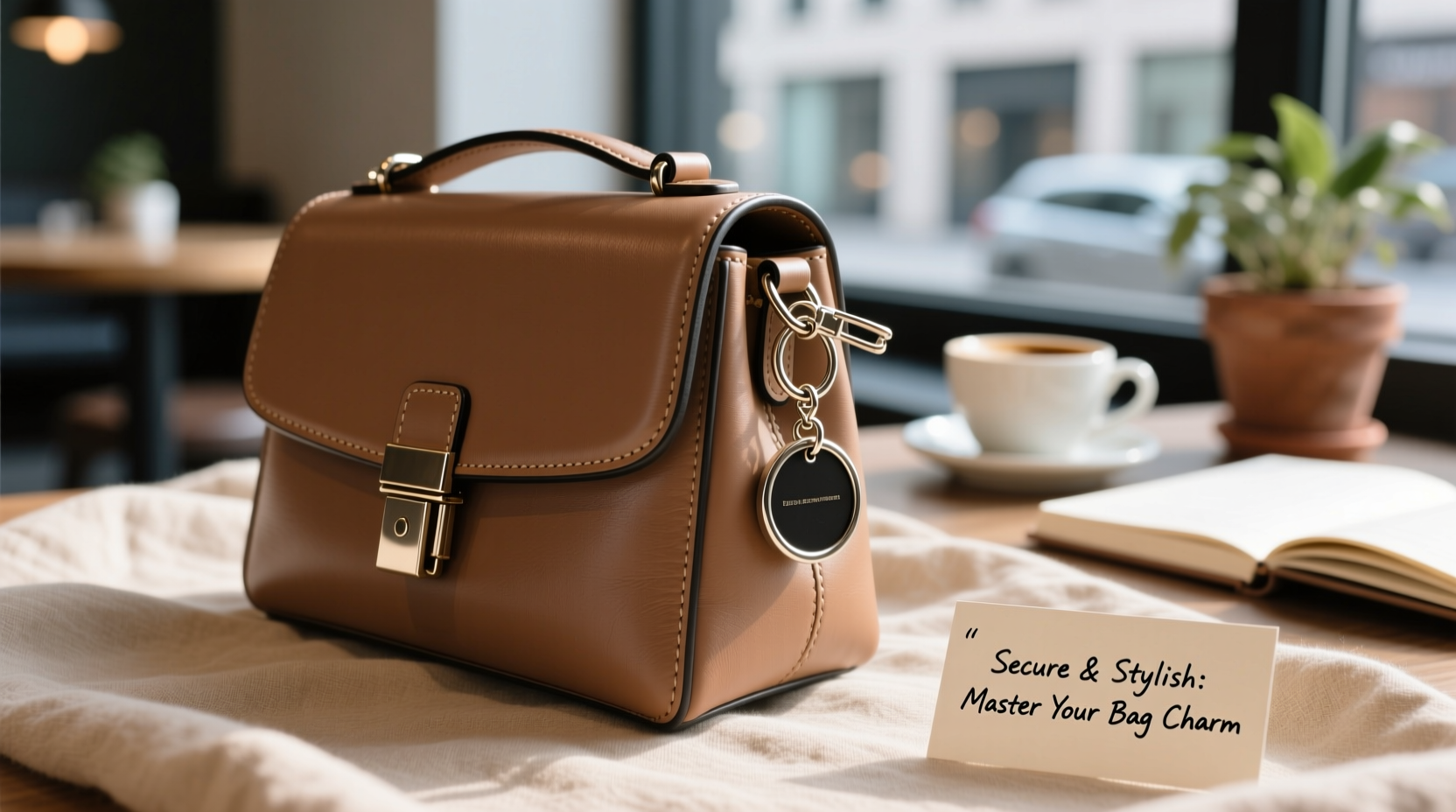
Not all charms are created equal, and neither are their attachment options. The weight, size, and material of the charm influence how it should be secured. Lightweight resin or acrylic charms may dangle freely on a lobster clasp, while heavier metal or stone pieces require more robust support to prevent strain on straps or zippers.
Common charm attachment points include D-rings, zipper pulls, handle connectors, and dedicated charm clips. Each offers different levels of security and visibility. For instance, attaching a charm to a zipper pull keeps it highly visible and easily accessible, whereas a D-ring near the base adds subtle movement without interfering with daily use.
Essential Tools for Secure Attachment
Professional-level charm styling relies on the right tools. While some charms come pre-equipped with basic connectors, upgrading components ensures durability. Consider keeping these in your accessory toolkit:
- Lobster clasps – Reliable and easy to open/close, ideal for frequent charm changes.
- Spring rings – Smaller than lobster clasps, suitable for delicate charms.
- Jump rings – Metal loops used to connect charms to clasps; opt for soldered (closed) rings to prevent accidental opening.
- Split rings – Similar to key rings, these offer extra security and resist twisting.
- Pliers (chain-nose and round-nose) – Essential for opening and closing jump rings without damaging them.
Using pliers correctly is critical. Never pull a jump ring apart sideways—that weakens the metal. Instead, twist the ends apart laterally using two pairs of pliers, then close securely after attaching the charm.
Step-by-Step: Attaching a Charm Using a Soldered Jump Ring
- Select a charm with a built-in loop or bail.
- Choose a soldered jump ring slightly larger than the charm’s loop and the bag’s attachment point (e.g., D-ring).
- Hold the jump ring with two pairs of pliers—one on each end.
- Twist one end toward you and the other away to create a small gap.
- Slide the charm’s loop onto the ring, followed by the bag’s D-ring.
- Use the pliers to twist the ends back into place, ensuring no gap remains.
- Test gently by tugging the charm—no movement should occur at the connection point.
Do’s and Don’ts of Bag Charm Styling
| Do’s | Don’ts |
|---|---|
| Use split rings for heavy charms to prevent slippage | Attach charms directly to fragile leather straps without reinforcement |
| Check attachment points monthly for wear or loosening | Overload one D-ring with multiple heavy charms |
| Match charm style to bag formality (e.g., enamel for casual, crystal for evening) | Use adhesive hooks or tape—they damage finishes and fail quickly |
| Remove charms before storing the bag long-term | Leave charms on during travel where snagging is likely |
| Opt for soft-lined clips if using non-permanent attachments | Ignore manufacturer warnings about accessory use on warranty-covered bags |
Real Example: A Designer Bag Saved by Smart Attachment
Sophia, a boutique stylist in Chicago, once nearly ruined a client’s limited-edition Celine Box Bag. Eager to personalize it for a photoshoot, she attached a large brass charm using a flimsy open jump ring. Midway through the session, the charm fell, yanking the zipper pull and causing micro-tears in the leather surround. Repair cost: $280.
After consulting with a luxury handbag restorer, she learned to use only closed jump rings and limit charm weight to under 50 grams on structured bags. She now uses a miniature luggage scale to test accessories before attachment. Since then, her styling has remained incident-free—even during high-motion events.
“Charm attachment is a balance between expression and engineering. One weak link can compromise an entire bag.” — Marcus Lin, Handbag Restoration Specialist, The Leather Atelier NYC
Protecting Your Bag’s Integrity
Beyond securing the charm, consider how its presence affects the bag over time. Constant friction from swinging metal can scratch hardware or wear through stitching. Leather near attachment points may crease or discolor due to pressure.
To mitigate this, add protective elements:
- Use silicone-coated split rings to reduce noise and abrasion.
- Place a small leather buffer pad between the charm and bag surface if direct contact is unavoidable.
- Avoid charms with sharp edges or rough finishes unless coated.
For vintage or investment bags, consider rotating charms rather than leaving them permanently attached. This reduces cumulative stress and preserves resale value.
FAQ: Common Questions About Bag Charm Attachment
Can I attach charms to any type of handbag?
Most bags with metal hardware—such as D-rings, zipper pulls, or handle connectors—can safely accommodate charms. However, avoid attaching anything to bags made entirely of fabric, mesh, or unlined canvas unless reinforced. Delicate materials like silk or raffia should remain charm-free to prevent tearing.
How do I remove tarnish from metal charms without damaging them?
For silver or plated charms, use a microfiber cloth with a jewelry polishing solution designed for the specific metal. Avoid soaking unless the charm is solid metal and non-porous. Always detach the charm before cleaning to protect the bag’s hardware from chemical exposure.
Are magnetic attachments safe for bag styling?
Generally, no. Magnetic clips may seem convenient, but they often lack sufficient grip and can detach unexpectedly. Additionally, strong magnets may interfere with electronic items stored in the bag, such as credit cards or smartphones. Stick to mechanical closures like clasps and rings for reliability.
Checklist: Secure Bag Charm Styling in 6 Steps
- Assess charm weight and material compatibility with your bag.
- Identify a sturdy attachment point (D-ring, zipper pull, etc.).
- Gather proper tools: lobster clasp, soldered jump ring, pliers.
- Attach charm using lateral twist method—never pry open jump rings.
- Test security by gently tugging and simulating movement.
- Inspect monthly for signs of wear, especially on high-use bags.
Conclusion: Style with Confidence and Care
Mastering bag charm attachment transforms a fleeting trend into a lasting signature detail. With the right tools, techniques, and attention to material care, you can express your personality without compromising function or longevity. Every well-secured charm reflects not just taste, but thoughtfulness—a hallmark of true style.




 浙公网安备
33010002000092号
浙公网安备
33010002000092号 浙B2-20120091-4
Comments
No comments yet. Why don't you start the discussion?