
Selecting the right bag is more than just a matter of aesthetics—it’s an extension of identity, function, and intention. A well-chosen bag doesn’t merely carry your essentials; it carries your attitude. Whether you’re stepping into a boardroom, heading to brunch, or traveling across continents, the bag you choose communicates subtle cues about your taste, priorities, and lifestyle. Yet many people struggle with consistency, ending up with a closet full of bags that don’t quite align with who they are—or worse, never get used.
The key lies not in chasing trends but in building a curated collection rooted in self-awareness and practicality. When you understand how to match a bag to your personal style, you gain confidence, save money, and elevate your entire wardrobe with minimal effort.
Know Your Style Archetype
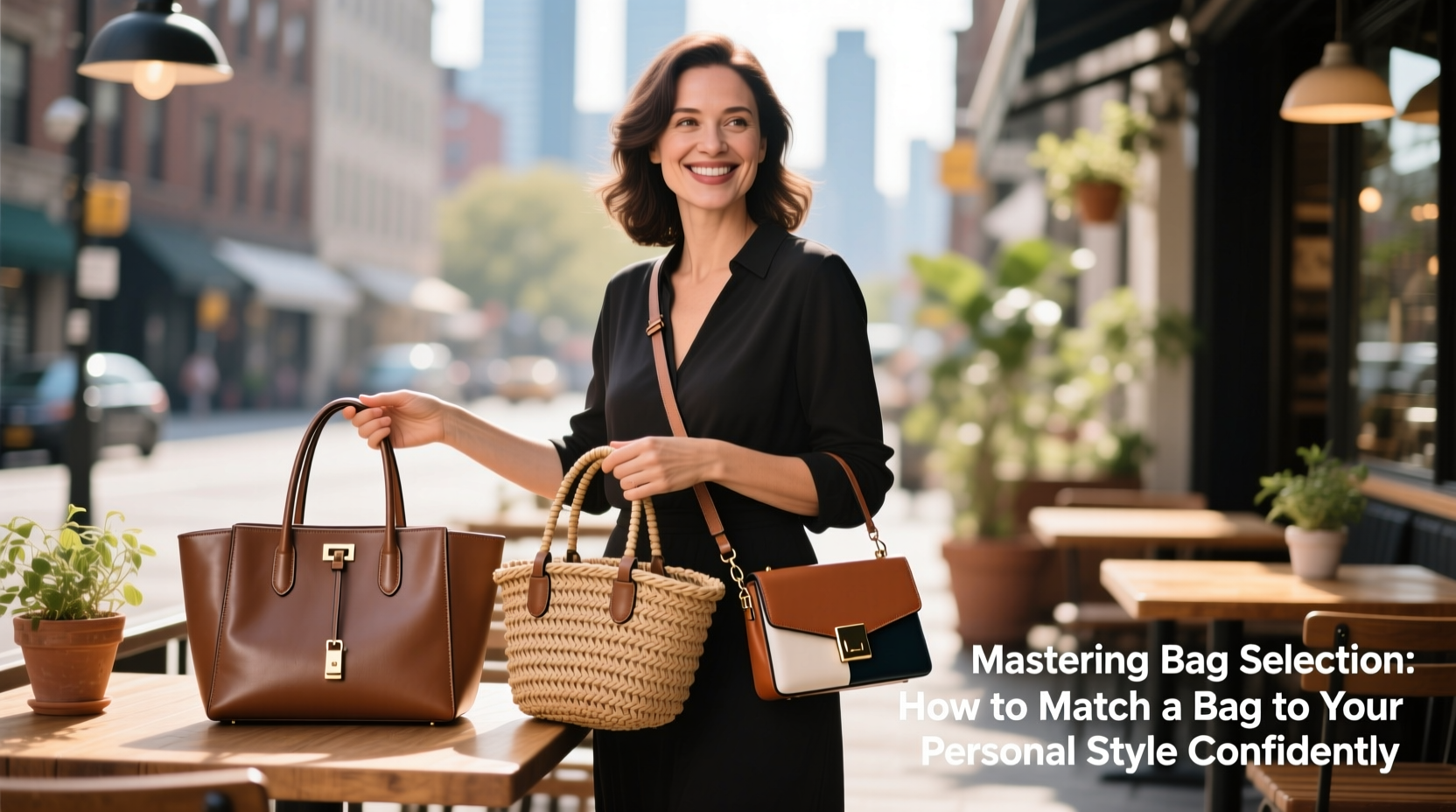
Before evaluating shapes, materials, or brands, start with clarity on your personal style. Fashion archetypes provide a framework for understanding what resonates with you at a deeper level. These aren’t rigid categories but guiding principles to help you make intentional choices.
- The Classic: Prefers timeless silhouettes, neutral tones, and high-quality craftsmanship. Think structured totes in black leather or beige suede.
- The Minimalist: Values clean lines, understated branding, and functional simplicity. A sleek crossbody or a slim shoulder bag fits this aesthetic.
- The Trendsetter: Enjoys experimenting with bold colors, unique textures, and seasonal styles. This person might rotate bags frequently based on current fashion cycles.
- The Bohemian: Favors artisanal details, earthy materials like woven raffia or embroidered fabrics, and relaxed shapes such as slouchy hobo bags.
- The Professional: Prioritizes utility and polish. Their go-to is often a laptop-friendly tote with compartments and a refined finish.
Identifying your archetype helps narrow down options and prevents impulse buys that clash with your everyday presence.
Align Bags with Lifestyle and Function
A bag must serve its purpose without compromising comfort or coherence. Even the most stylish design fails if it can’t accommodate your daily needs. Consider these questions when selecting a new piece:
- What do I carry daily? (Wallet, laptop, water bottle, makeup, etc.)
- How much walking or commuting do I do?
- Do I need easy access to items throughout the day?
- Will this bag transition from day to night?
For example, someone working remotely may prioritize a compact, elegant crossbody for errands over a bulky work tote. Conversely, a corporate consultant likely needs a professional satchel with padded laptop sleeves and secure zippers.
| Lifestyle | Recommended Bag Type | Key Features |
|---|---|---|
| Urban Commuter | Backpack or Medium Tote | Durable material, anti-theft zippers, adjustable straps |
| Social & Evening-Focused | Clutch or Mini Bag | Chic hardware, chain strap, enough room for phone and lipstick |
| Travel Enthusiast | Convertible Crossbody | Lightweight, multiple compartments, RFID protection |
| Parent or Caregiver | Oversized Shoulder Bag | Spacious interior, wipeable lining, stroller clip compatibility |
The Color Strategy: Build a Cohesive Palette
Color plays a pivotal role in integration. While black remains a universal favorite, limiting yourself to neutrals alone can dull your expression. Instead, adopt a strategic color approach based on your wardrobe foundation.
Start with one or two core neutrals—black, tan, navy, or gray—that match 80% of your clothing. Then add one accent shade that reflects your personality: burgundy for warmth, olive green for earthiness, or cobalt blue for vibrancy. This creates visual harmony while allowing for moments of distinction.
“Your bag should either blend seamlessly or serve as a deliberate focal point. There’s no middle ground.” — Lena Torres, Stylist & Wardrobe Consultant
Avoid purchasing bright or metallic bags unless they complement existing accessories like shoes or jewelry. Otherwise, they risk becoming isolated pieces that rarely leave the shelf.
Step-by-Step Guide to Curating Your Ideal Bag Collection
Building a functional, stylish bag rotation doesn’t happen overnight. Follow this five-step process to develop confidence in every choice:
- Assess Your Current Collection: Empty all your bags and lay them out. Identify which ones you actually use and why. Note patterns in shape, size, and material.
- Define Your Core Needs: List the roles your bags must fulfill (e.g., work, weekend, travel, evening).
- Set a Capsule Goal: Aim for 3–5 versatile pieces that cover all essential scenarios. Quality over quantity ensures longevity and cohesion.
- Research Before Buying: Wait 48 hours after seeing a bag you love. Ask: Does it fit my archetype? Will I use it weekly? Is the material appropriate for my climate?
- Test Before Committing: If possible, carry the bag for a full day. Evaluate weight distribution, ease of access, and comfort.
Real Example: From Overwhelmed to Intentional
Sophie, a 34-year-old marketing director, owned nine bags but felt she “never had the right one.” She’d buy impulsively during sales, drawn to novelty rather than necessity. After a styling session, she realized her wardrobe centered around tailored blazers, silk blouses, and dark denim—a polished, modern classic look.
Her chaotic collection included a neon pink backpack, a fringed boho bag, and a glittery clutch—none aligned with her actual style. Together, we pared it down to four core pieces:
- A buttery leather tote in camel (for work and meetings)
- A compact black crossbody (for dinners and errands)
- A convertible nylon backpack (for weekend trips)
- A structured silver minaudière (for formal events)
Within weeks, Sophie reported feeling more put-together and less stressed about accessorizing. She stopped making impulsive purchases and began receiving compliments on her consistent aesthetic.
Checklist: Before You Buy a New Bag
Use this checklist to ensure every purchase supports your style and lifestyle:
- ☐ Matches at least three outfits in my regular rotation
- ☐ Fits all essential daily items without overstuffing
- ☐ Complements my dominant style archetype
- ☐ Made from durable, appropriate material (e.g., water-resistant for rainy climates)
- ☐ Comfortable to carry for extended periods
- ☐ Hardware finishes coordinate with my other accessories (zippers, clasps, chains)
- ☐ Price reflects long-term value, not just short-term desire
Frequently Asked Questions
Can I wear a casual bag with formal attire?
Only if it’s intentionally styled for contrast. A minimalist canvas tote will clash with a cocktail dress, but a sleek leather crossbody in a matching tone can bridge casual and formal. The key is cohesion in material and color.
How many bags is too many?
There’s no fixed number. However, if more than half of your collection goes unused for six months or longer, it’s a sign of misalignment. Focus on utility and emotional resonance—not accumulation.
Should my bag match my shoes or belt?
Matching exactly isn’t necessary, but tonal harmony strengthens your look. A chestnut brown bag pairs beautifully with cognac shoes even if the shades differ slightly. Avoid stark contrasts unless deliberately artistic.
Final Thoughts: Confidence Begins with Clarity
Mastering bag selection isn’t about owning the latest designer label or following viral trends. It’s about developing a clear sense of self and making choices that reflect it. When your bag aligns with your style, lifestyle, and values, it stops being an afterthought and becomes a statement of intention.
Every time you reach for your favorite piece, you reinforce a narrative: that you know who you are, what you need, and how to move through the world with purpose. That’s where true confidence begins.




 浙公网安备
33010002000092号
浙公网安备
33010002000092号 浙B2-20120091-4
Comments
No comments yet. Why don't you start the discussion?