
Plaid bedding brings warmth, texture, and timeless charm to any bedroom. Whether you're drawn to classic buffalo check, refined tartan, or modern geometric plaids, this pattern can serve as the foundation of a thoughtfully designed space. But its bold nature demands careful coordination with surrounding decor to avoid visual clutter or mismatched aesthetics. Done right, plaid becomes the anchor of a harmonious room that balances personality and polish.
The key lies not in overpowering the space with pattern, but in using plaid as a starting point to build layers of color, texture, and proportion. From wall tones to furniture finishes and accent pieces, every element should work in concert with the bedding to create a unified atmosphere—cozy yet curated, rustic yet refined.
Understanding Plaid: More Than Just a Pattern
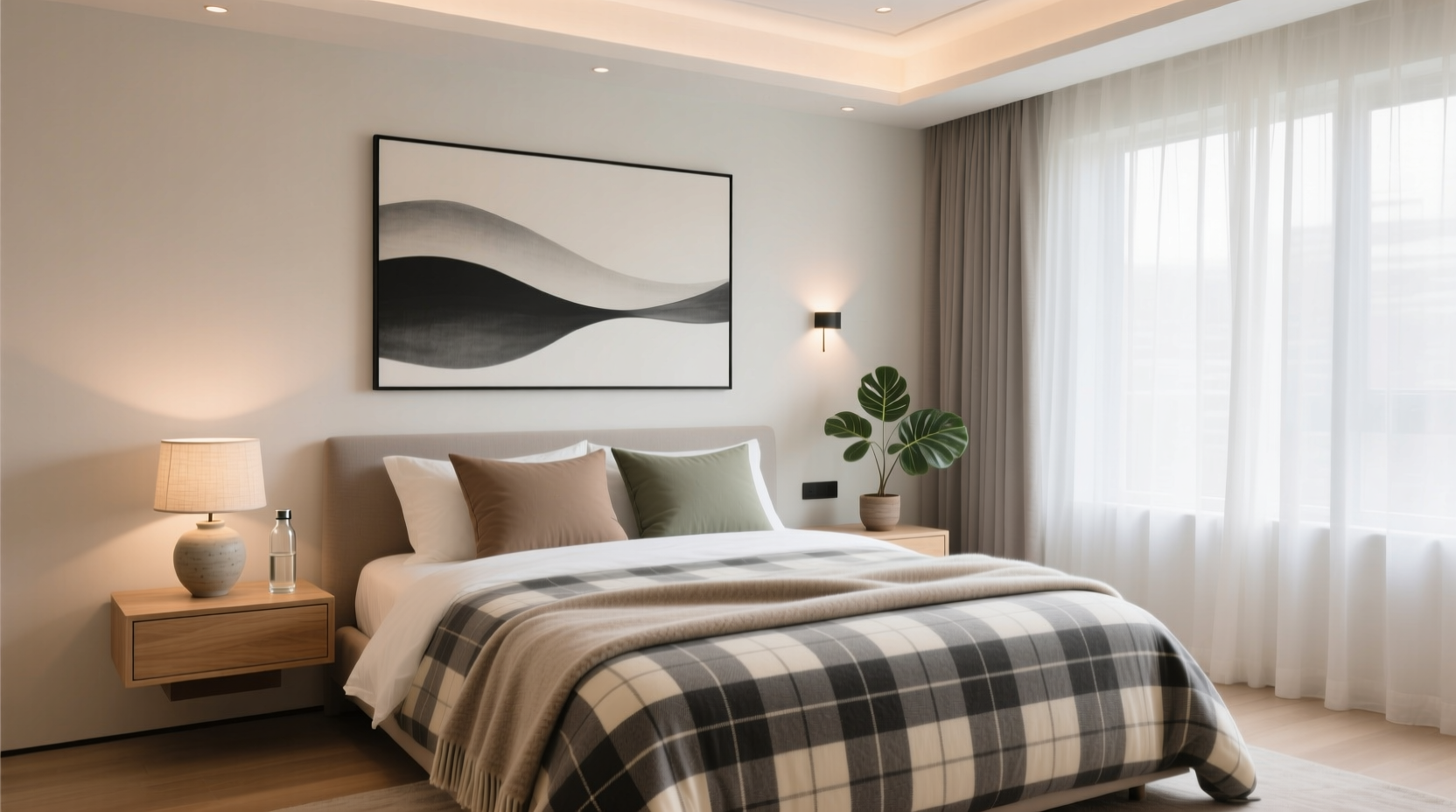
Before integrating plaid into your bedroom, it's essential to appreciate its design language. Plaid is a woven pattern composed of intersecting horizontal and vertical lines in multiple colors, traditionally associated with Scottish heritage. However, today’s interpretations range from heritage-inspired wool throws to lightweight cotton duvets in contemporary color palettes.
Each plaid carries its own mood:
- Bold red and black buffalo check evokes cabin-style ruggedness.
- Navy, cream, and burgundy tartan suggests traditional elegance.
- Gray, sage, and ivory modern plaid leans toward minimalist sophistication.
Recognizing the tone of your chosen plaid allows you to select complementary decor that enhances rather than competes.
Selecting a Color Palette That Works
Plaid introduces multiple colors into a room, making color coordination crucial. To maintain visual harmony, limit your supporting palette to two or three additional hues pulled directly from the bedding.
For example, if your plaid duvet features navy, forest green, and cream, consider using:
- Cream walls to brighten the space
- Navy linen curtains for continuity
- Forest green ceramic lamps or vases for subtle contrast
Avoid introducing entirely new colors unless they are neutrals like charcoal, beige, or warm wood tones. Sticking to the existing palette ensures cohesion across textiles and surfaces.
| Plaid Base Color | Recommended Wall Colors | Suggested Accent Hues |
|---|---|---|
| Red & Black | Warm white, soft gray | Charcoal, mustard, natural wood |
| Navy & Cream | Light blue-gray, ivory | Sage green, rust, brass |
| Olive & Beige | Greige, warm taupe | Terracotta, deep brown, black iron |
| Gray & White | Soft gray, pale blush | Dusty blue, mauve, brushed nickel |
“Plaid works best when treated as a neutral—build your room around it like you would a textured rug or painted wall.” — Lena Peterson, Interior Stylist at Hearth & Hue
Layering Textures for Depth and Comfort
One of plaid’s strengths is its inherent texture, often enhanced by flannel, brushed cotton, or wool blends. To prevent the room from feeling flat or overly matchy, layer in contrasting materials that add dimension without clashing.
Consider these combinations:
- A smooth linen pillowcase against a nubby plaid comforter
- A sleek leather bench at the foot of a bed dressed in wool plaid
- Rough-hewn wood nightstands beside crisp white lampshades
The goal is tactile variety: soft against hard, matte against shiny, rough against smooth. This contrast keeps the eye engaged while reinforcing a sense of balance.
Step-by-Step Guide: Layering Your Bed with Plaid
- Start with solid sheets in a neutral or base plaid color (e.g., cream or gray).
- Add a duvet or comforter in your chosen plaid—ensure it’s the focal point.
- Layer a solid or subtly textured blanket at the foot of the bed for added coziness.
- Introduce accent pillows in solids, stripes, or small-scale geometrics that echo one plaid hue.
- Finish with a throw in a complementary fabric like cable knit or faux fur draped casually over the side.
Furniture and Finishes: Balancing Boldness with Restraint
Furniture choices play a pivotal role in grounding a plaid-centric bedroom. The pattern already commands attention, so furnishings should support, not compete.
Opt for clean-lined wooden beds in warm walnut, weathered oak, or painted finishes like navy or charcoal. Iron or matte black frames work well in modern farmhouse settings. Avoid ornate carvings or high-gloss finishes, which can clash with plaid’s earthy character.
Similarly, hardware and lighting fixtures should complement the room’s tone:
- Brass or copper accents soften traditional plaid schemes.
- Black iron or nickel suit rustic or industrial-leaning spaces.
- Matte ceramic bases or woven rattan shades add organic warmth.
Mini Case Study: The Mountain Retreat Bedroom
A Colorado cabin owner chose a deep burgundy-and-navy plaid comforter for her guest room. To enhance the lodge feel without tipping into kitsch, she paired it with:
- Whitewashed pine walls to lighten the space
- A reclaimed wood bed frame with iron crossbars
- Sheepskin throws in natural white for soft contrast
- Antler-style sconces finished in oil-rubbed bronze
- A jute area rug layered under a smaller wool runner
The result was a room that felt both adventurous and restful—plaid served as the heartbeat, while textures and finishes told the rest of the story.
Final Checklist: Coordinating Plaid Like a Pro
Use this checklist before finalizing your bedroom design:
- ✅ Identified the dominant and secondary colors in the plaid
- ✅ Chosen wall paint or wallpaper that complements—not clashes with—the bedding
- ✅ Selected solid or minimally patterned curtains
- ✅ Incorporated at least three different textures (e.g., cotton, wool, wood, metal)
- ✅ Limited accent colors to two tones from the plaid
- ✅ Ensured furniture scale matches the room size and bedding boldness
- ✅ Added lighting that enhances ambiance (warm bulbs, layered sources)
- ✅ Included a neutral element (rug, bench, or artwork frame) to break up pattern intensity
Frequently Asked Questions
Can I use plaid bedding in a modern or minimalist bedroom?
Absolutely. Choose a plaid with a restrained color palette—such as charcoal and white or slate and oat—and pair it with sleek furniture, monochrome walls, and minimal accessories. The plaid adds warmth without overwhelming the clean aesthetic.
How do I keep a plaid-themed room from looking too busy?
Focus on balance. Let the bedding be the only major pattern. Use solid-colored walls, simple window treatments, and uncluttered surfaces. Introduce visual breaks with neutral furniture, ample negative space, and consistent color flow.
Is it okay to mix plaid with other patterns?
Yes, but with caution. Pair plaid with subtle textures like waffle weave, ribbed knits, or faint pinstripes. Avoid pairing it with florals, large geometrics, or busy chevrons. If adding another pattern, keep it small in scale and limited to one or two accent items.
Bring It All Together
Mastering bedroom style with plaid bedding isn’t about following rigid rules—it’s about understanding relationships between color, texture, and proportion. When you treat plaid as a design partner rather than a standalone statement, you unlock its full potential to create rooms that feel both intentional and inviting.
Whether your taste leans rustic, traditional, or contemporary, plaid can adapt beautifully when balanced with thoughtful decor choices. Start with the bedding, extract its essence, and build outward with restraint and rhythm.




 浙公网安备
33010002000092号
浙公网安备
33010002000092号 浙B2-20120091-4
Comments
No comments yet. Why don't you start the discussion?