
Black lights—technically ultraviolet (UV) lamps emitting primarily UVA radiation—are more than just party novelties. When used thoughtfully, they unlock unique visual effects, support artistic expression, and even assist in practical tasks like detecting stains or verifying authenticity. For beginners, understanding how black lights work and how to use them safely and creatively is essential. This guide provides actionable insights, real-world applications, and expert-backed recommendations to help you get the most out of your black light experience.
Understanding How Black Lights Work
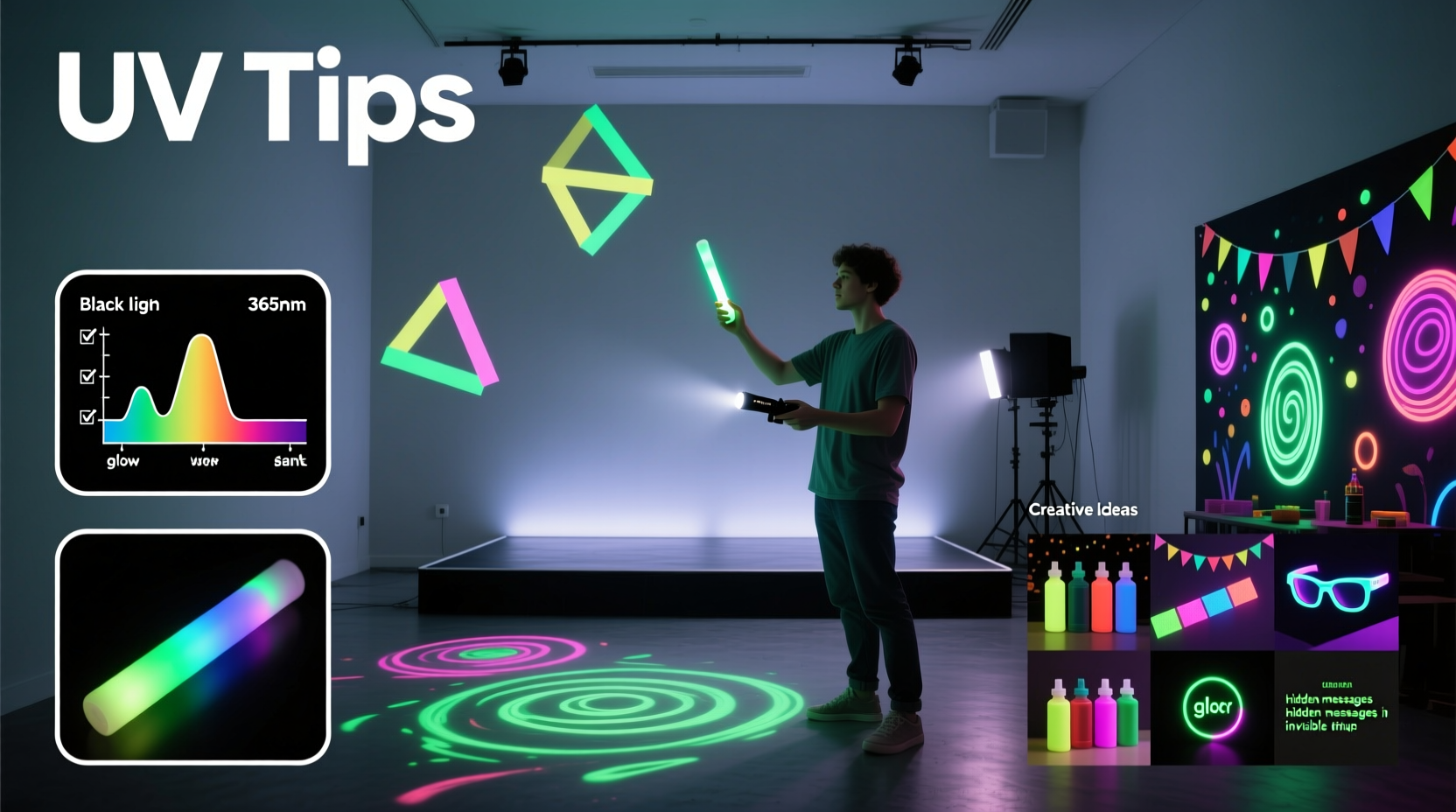
Black lights emit long-wave ultraviolet (UVA) light, typically between 365 and 400 nanometers. Unlike visible light, UVA is invisible to the human eye—but it causes certain materials to fluoresce, meaning they absorb UV energy and re-emit it as visible light. This effect makes fluorescent paints, dyes, bodily fluids, and specific minerals glow vividly in the dark.
There are two main types of black lights:
- Fluorescent tube black lights: Common in clubs and haunted houses, these emit a soft purple glow and are effective for large areas.
- LED black lights: More energy-efficient, longer-lasting, and available in compact forms like flashlights or strips, ideal for portable or targeted use.
Practical Applications Beyond the Party Scene
While black lights are synonymous with glow parties, their utility extends far beyond entertainment. Understanding these uses can help you maximize your investment and explore new hobbies.
Home Inspection and Cleaning
Black lights can reveal organic residues that are invisible under normal lighting. Pet urine, mold spores, and even some bacteria fluoresce under UV light, making them easier to locate and clean.
“Using a black light to inspect rental properties before moving in helped me spot hidden pet damage others missed.” — Sarah T., Home Inspector
Authentication and Security
Many official documents, currency, and branded products include UV-reactive security features. A handheld black light allows quick verification of authenticity—for passports, event tickets, or high-end merchandise.
Art and Photography
UV-reactive paints open up possibilities for immersive installations and surreal photography. Artists layer fluorescent pigments on canvas or walls, then illuminate them only with black light, creating dramatic contrast and depth.
Creative Projects for Beginners
Starting small helps build confidence and skill. Try these beginner-friendly ideas to experiment with black light effects.
Glow-In-The-Dark Room Setup
Create a dedicated space using white or neon-colored posters, glow paint on the ceiling, and UV-reactive stickers. Use LED strip lights along baseboards for ambient glow. Turn off all other lights and activate the black light for an instant transformation.
DIY Fluorescent Crafts
Mix UV-reactive pigment with clear glue or resin to make glowing keychains, coasters, or jewelry. Let creations dry completely before testing under black light.
Themed Parties with Purpose
Instead of generic glow parties, design themed events like “Alien Invasion” or “Ocean Depths,” where decorations, costumes, and activities align with the UV aesthetic. Provide guests with fluorescent face paint and accessories.
Safety Guidelines and Best Practices
While UVA radiation is less harmful than UVB or UVC, prolonged exposure can still cause skin irritation or eye strain. Follow these safety measures to protect yourself and others.
| Do’s | Don’ts |
|---|---|
| Limit direct exposure to 1–2 hours at a time | Stare directly at the black light source |
| Use in well-ventilated areas (especially older fluorescent models) | Use near infants or pets unsupervised |
| Wear UV-blocking sunglasses if sensitive to light | Leave black lights on unattended overnight |
| Store in cool, dry places away from children | Combine with flammable materials or heat sources |
“Even low-intensity UVA can degrade photosensitive materials over time. Always assess duration and proximity when using black lights indoors.” — Dr. Lena Patel, Optometrist & Light Safety Consultant
Step-by-Step Guide: Setting Up Your First Black Light Display
Follow this timeline to create a safe, effective, and visually striking black light setup.
- Day 1 – Planning: Decide on purpose (art, party, inspection). Sketch layout and list needed materials: black light(s), fluorescent items, power sources.
- Day 2 – Gathering Supplies: Purchase LED black lights (365nm recommended), test with known fluorescent objects (tonic water glows blue!). Buy UV-reactive paint, tape, or decorations.
- Day 3 – Testing: In a dark room, test each item under the black light. Note which glow brightly and which don’t. Discard ineffective materials.
- Day 4 – Assembly: Arrange glowing elements. Hang posters, apply paint, position lights to avoid shadows. Use multiple angles for depth.
- Day 5 – Final Review: Invite one person to preview. Adjust brightness, spacing, and safety. Ensure cords are secured and lights aren’t overheating.
Frequently Asked Questions
Can black lights damage my eyes or skin?
Short-term exposure during typical use (e.g., parties, crafts) poses minimal risk. However, extended direct exposure may contribute to eye fatigue or premature skin aging. Avoid looking directly at the bulb and limit session length to under two hours.
Why isn’t my glow-in-the-dark sticker working under black light?
True “glow-in-the-dark” materials store light and emit it slowly (phosphorescence), while black lights require fluorescence—immediate glow under UV. Make sure you’re using UV-reactive (fluorescent) materials, not just phosphorescent ones.
Are black lights the same as UV sterilization lights?
No. Black lights emit UVA, which does not kill germs. UV-C lights are used for disinfection but are hazardous and should never be used around people or animals without protection.
Checklist: Getting Started with Black Lights
- ☑ Determine your primary use case (fun, functional, or artistic)
- ☑ Choose between LED or fluorescent black light based on portability and intensity needs
- ☑ Acquire UV-reactive materials (paint, clothing, plastics)
- ☑ Test all components in a dark environment before final setup
- ☑ Implement safety precautions: limit exposure, secure wiring, supervise children
- ☑ Plan a theme or purpose to give your project focus and creativity
Conclusion: Illuminate With Intention
Mastering black light use isn’t just about turning a room purple—it’s about harnessing invisible light to reveal, create, and solve. Whether you're hosting a memorable event, exploring artistic expression, or improving household maintenance, the right approach transforms a simple lamp into a powerful tool. Begin with small experiments, prioritize safety, and let curiosity guide your next project.




 浙公网安备
33010002000092号
浙公网安备
33010002000092号 浙B2-20120091-4
Comments
No comments yet. Why don't you start the discussion?