
Pricing a book isn’t just about picking a number—it’s a strategic decision that affects visibility, credibility, and revenue. Too high, and readers may pass. Too low, and your work risks being perceived as low quality. The right price balances market expectations, production costs, and author goals. Whether you're self-publishing or working with a traditional publisher, understanding how to set the optimal price is essential for long-term success.
Understanding the Psychology of Book Pricing
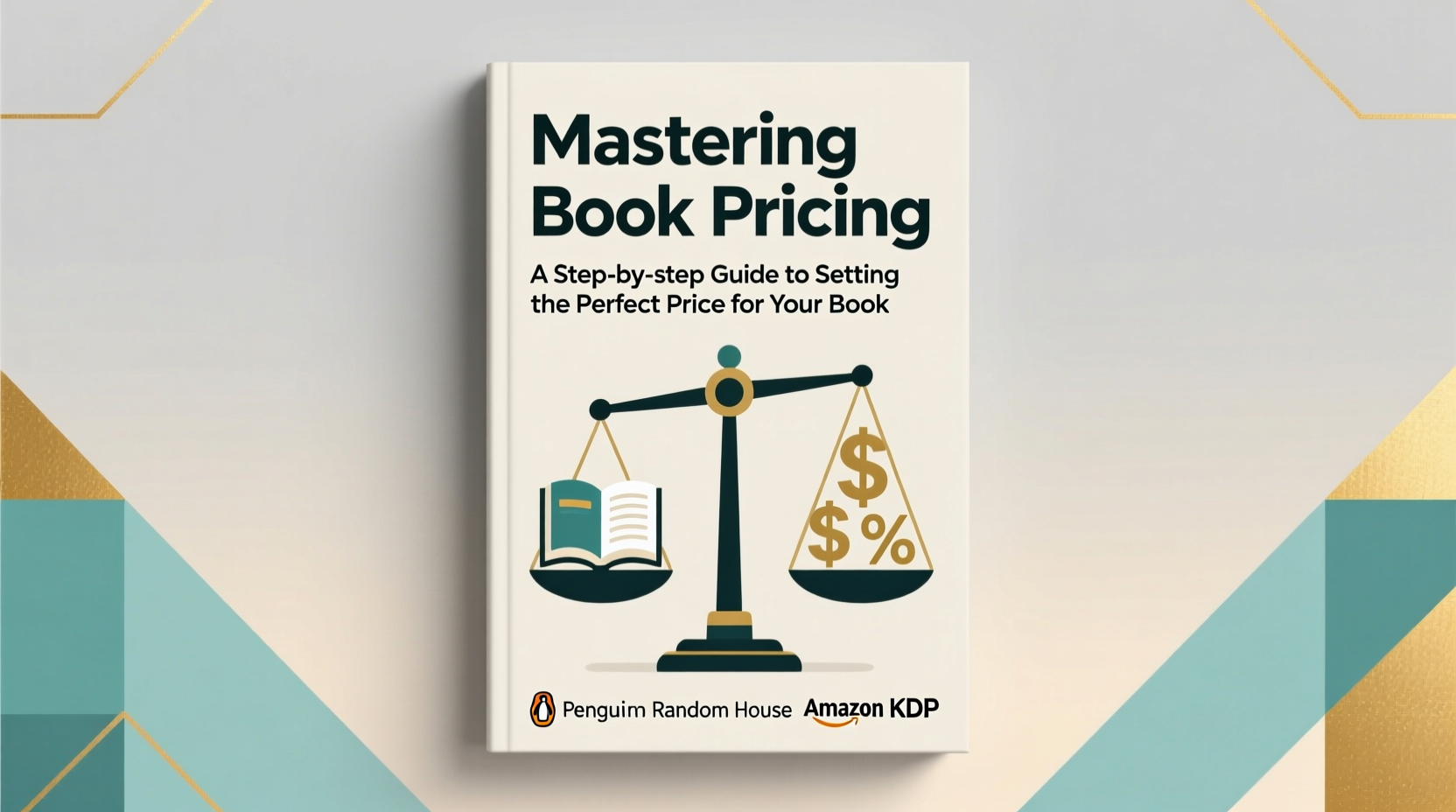
Readers make split-second judgments based on price. A $0.99 ebook might signal a quick read or debut author, while a $14.99 paperback suggests depth, authority, or niche expertise. Price influences perception—not just affordability. Research shows consumers often equate higher prices with better quality, especially in unfamiliar categories.
Psychological pricing techniques are widely used in publishing. For example, $9.99 feels significantly cheaper than $10.00, even though the difference is only a penny. This \"left-digit effect\" leverages how the brain processes numbers. Similarly, odd-numbered pricing ($12.95 vs. $13.00) creates an impression of precision and value.
The genre also plays a role. Romance and thriller readers expect lower-priced ebooks, often under $4.99, while nonfiction books on business or personal development can command $12.99 or more. Know your audience’s spending habits before finalizing a price.
A Step-by-Step Guide to Setting Your Book’s Price
- Analyze comparable titles. Search Amazon or Barnes & Noble for books similar in genre, length, and target audience. Note their pricing across formats (ebook, paperback, hardcover).
- Calculate your production and distribution costs. Include editing, cover design, formatting, marketing, and platform fees. For print books, factor in printing costs per unit.
- Determine your royalty goals. Decide how much profit per sale you need to justify the effort. If your goal is $3 per sale, and the platform takes 30%, your minimum price must reflect that.
- Test different price points. Launch with a competitive rate, then adjust based on early sales data. Many authors start low to gain traction, then increase after building reviews.
- Monitor performance monthly. Track units sold, revenue, and rankings. A price change should be data-driven, not emotional.
Key Factors That Influence Optimal Book Pricing
- Genre and category: Fiction genres like fantasy or romance typically sell at lower price points than specialized nonfiction.
- Book length: A 100-page novella priced at $12.99 may deter readers, while a 400-page self-help book at the same price seems reasonable.
- Author reputation: Established authors can charge premium prices. New authors often use lower prices to build an audience.
- Format: Ebooks generally cost less than paperbacks, which are cheaper than hardcovers. Bundle options can increase perceived value.
- Market competition: Oversaturated markets (e.g., keto cookbooks) require competitive pricing or strong differentiation.
“Pricing is not a one-time decision. It's a continuous strategy tied to your book’s lifecycle.” — Sarah Lin, Publishing Strategist and Author Coach
Do’s and Don’ts of Book Pricing
| Do’s | Don’ts |
|---|---|
| Research competitors in your exact subgenre | Set arbitrary prices without market data |
| Use psychological pricing (e.g., $4.99 instead of $5) | Underprice so severely that it devalues your work |
| Adjust prices during promotions or seasonal campaigns | Change prices too frequently without tracking results |
| Consider bundling formats for higher perceived value | Ignore platform-specific royalty thresholds (e.g., KDP 35% vs. 70%) |
| Factor in all costs, including time and marketing | Assume lower prices always mean more sales |
Real-World Example: How One Author Optimized Pricing for Success
Jessica Reed, a first-time memoirist, initially priced her 280-page book at $14.99 on Kindle Direct Publishing. Despite strong cover design and early reviews, sales stalled at 20 copies per month. After analyzing top-selling memoirs in her niche, she discovered most were priced between $8.99 and $11.99.
She lowered her price to $9.99 and ran a limited-time promotion at $0.99 for one week. During the promo, her book reached over 1,200 downloads, pushing it into Amazon’s Top 100 in its category. Over the next three months, sales at $9.99 averaged 150 copies per month—seven times her original volume. The increased visibility and ranking justified maintaining the new price, and her total earnings surpassed what she would have made at the higher, slower-selling rate.
Checklist: Setting the Right Price for Your Book
- ☐ Identify 5–10 direct competitor books and note their pricing
- ☐ Calculate your break-even point per unit sold
- ☐ Confirm royalty rates for each format and platform (e.g., KDP 70% threshold is $2.99–$9.99)
- ☐ Choose a price that aligns with genre norms and reader expectations
- ☐ Test your price with a small audience or pre-launch group for feedback
- ☐ Plan a pricing strategy for launch, mid-cycle, and evergreen phases
- ☐ Schedule monthly reviews of sales data and adjust if needed
Frequently Asked Questions
What is the best price for a self-published ebook?
The ideal range for most self-published ebooks is $2.99 to $9.99. This allows access to the 70% royalty tier on platforms like Amazon KDP while remaining attractive to readers. Books under $2.99 earn only 35%, making them less profitable despite higher volume potential.
Should I price my paperback the same as my ebook?
No. Readers expect paperbacks to cost more due to printing and shipping. A typical ratio is ebook at $4.99 and paperback at $12.99. Pricing them the same can reduce perceived value or hurt profitability.
Can changing my book’s price hurt my sales rank?
Temporarily, yes. A sudden price increase may slow immediate sales, affecting short-term algorithms. However, if the new price reflects better positioning or improved marketing, long-term rank can improve. Always pair price changes with promotional efforts when possible.
Final Thoughts: Pricing as a Dynamic Strategy
Your book’s price shouldn’t be set in stone. It’s a dynamic element of your marketing and business plan. The perfect price today might not be optimal six months from now, especially as you gain reviews, run ads, or release new editions. Treat pricing as an ongoing experiment guided by data, not guesswork.
Start with research, apply psychological principles, and remain flexible. A well-priced book doesn’t just sell—it builds momentum, attracts attention, and establishes your credibility in a crowded marketplace.




 浙公网安备
33010002000092号
浙公网安备
33010002000092号 浙B2-20120091-4
Comments
No comments yet. Why don't you start the discussion?