
In an age dominated by digital payments, paper checks remain a vital tool for rent payments, tax filings, business transactions, and formal financial transfers. Despite their longevity, many people still make preventable errors when writing or handling checks—errors that can lead to bounced payments, bank fees, identity theft, or even legal complications. Mastering the proper way to write, verify, and store checks is not just about tradition; it’s about precision, security, and financial responsibility.
The Anatomy of a Properly Written Check
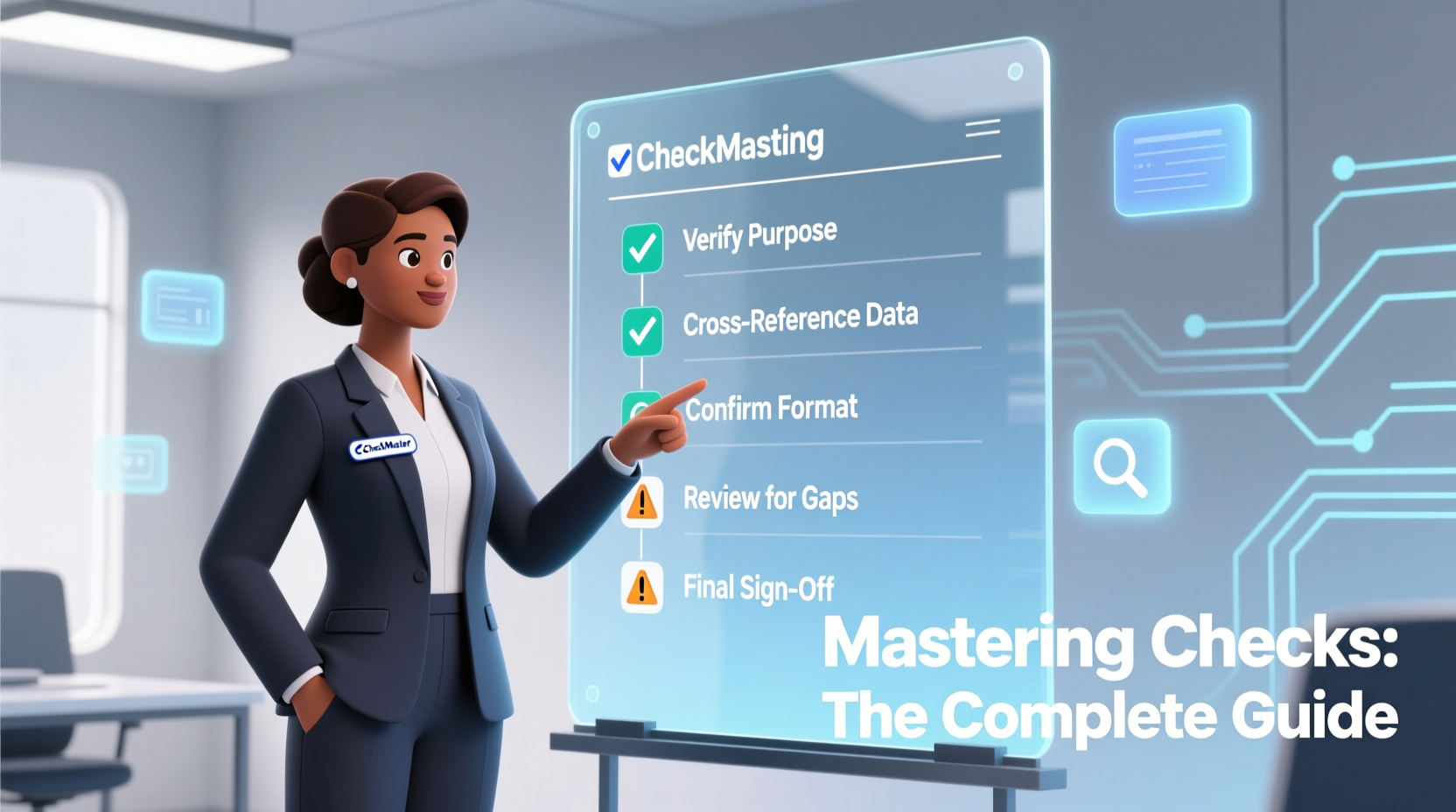
A check is more than a slip of paper—it's a legally binding instruction to your bank to pay a specific amount to a named recipient. Each field serves a critical function. Understanding these components ensures clarity and prevents disputes.
- Date line: Indicates when the check becomes valid. Never post-date unless necessary, and always use the current date when possible.
- Payee line: The full legal name of the individual or organization receiving funds. Avoid vague terms like \"cash.\"
- Amount in numbers: Written in the box (e.g., $150.00). This version takes precedence if there’s a discrepancy.
- Amount in words: Spell out the amount (e.g., One hundred fifty and 00/100). Include cents as a fraction over 100.
- Signature line: Your authorized signature activates the check. Unsigned checks are invalid.
- Memorandum line: Optional. Use to note purpose (e.g., “June Rent” or “Invoice #442”).
- Routing and account numbers: Located at the bottom. These identify your bank and account—never alter them.
Step-by-Step Guide to Writing a Check Correctly
Writing a check seems simple, but rushing leads to mistakes. Follow this sequence to ensure accuracy every time.
- Determine the payment amount and confirm it matches the invoice or agreement.
- Fill in the date using the current calendar date unless instructed otherwise.
- Write the payee’s full legal name exactly as they’ve requested—double-check spelling.
- Enter the amount numerically in the dollar box, starting close to the dollar sign to prevent tampering.
- Write the amount in words, capitalizing the first letter and drawing a line through any remaining space.
- Sign the check only after verifying all details. Never sign blank checks.
- Record the transaction in your checkbook register or finance app immediately.
Why Order Matters
Filling out fields in this order reduces the risk of skipping a step. For example, writing the amount in words before the numerical value helps catch discrepancies early.
Common Mistakes and How to Avoid Them
Even experienced check writers fall into traps. Here are the most frequent errors—and how to sidestep them.
| Mistake | Consequence | Solution |
|---|---|---|
| Discrepancy between written and numerical amounts | Bank may reject the check or pay the lower amount | Always double-check both fields match exactly |
| Misspelled payee name | Recipient may be unable to cash the check | Verify name spelling with the recipient beforehand |
| Using pencil or erasable ink | Check can be altered; banks may refuse it | Use only permanent ink pens |
| Leaving blank spaces | Risk of someone adding digits (e.g., turning $50 into $550) | Draw a line after the amount in words and fill the number box completely |
| Signing before reviewing | Irreversible if error is found later | Sign last, after confirming all entries |
Expert Insight: Why Accuracy Still Matters
Despite declining usage, checks remain relevant in high-value or formal transactions. Financial institutions treat them with serious scrutiny.
“Over 12 billion checks were still processed in the U.S. in 2023. A single mistake—a missing zero or misspelled name—can delay payments by days and incur fees. Precision isn’t optional; it’s part of financial literacy.” — Laura Simmons, Senior Banking Compliance Officer, American Financial Standards Institute
Mini Case Study: The $800 Rent Check That Bounced
Jamal paid his monthly rent by check, writing “Eight hundred and 50/100” but entering “$800.50” in the amount box. His landlord deposited it without noticing. However, the property management company’s accounting system flagged the inconsistency. The bank honored the written amount—$800—but recorded it as such. When Jamal checked his balance two weeks later, he found a $50 overdraft fee because he thought the full $800.50 had cleared.
After contacting customer service, the issue was resolved, but it took five business days and three phone calls. The fix? Always cross-verify both amount fields. A 10-second check could have saved him time, stress, and money.
Security Best Practices for Handling Checks
Beyond correctness, checks carry sensitive data. Mismanagement can expose you to fraud.
- Never pre-sign blank checks—even for trusted individuals.
- Store unused checks in a secure location, separate from your checkbook register.
- Monitor your bank statements weekly to detect unauthorized transactions.
- If a check is lost or stolen, report it immediately to your bank to stop payment.
- When mailing checks, use official envelopes and send via tracked delivery when possible.
Checklist: Before You Mail or Hand Over a Check
Use this quick verification list every time:
- ✅ Date is correct and legible
- ✅ Payee name is accurate and spelled properly
- ✅ Numerical amount matches written amount exactly
- ✅ No blank spaces around the amount fields
- ✅ Signature is present and matches your bank record
- ✅ Transaction recorded in your ledger or app
- ✅ Check is free of smudges, corrections, or erasures
Frequently Asked Questions
Can I correct a mistake on a check?
Technically, yes—but it must be done properly. Cross out the error lightly, write the correction above, and initial it. However, many banks prefer you void the check and write a new one, especially for large amounts. Altered checks are often flagged for review.
What happens if I write the wrong date?
If you accidentally use last month’s date, the check is still valid unless it’s more than six months old (considered “stale-dated”). For future dates (post-dating), banks aren’t required to honor the delay and may process it immediately. To prevent issues, always use the current date unless legally necessary.
Is it safe to email a photo of a check?
No. Sending images of checks—especially both sides—exposes your routing and account numbers, increasing fraud risk. Use secure bill-pay systems or mobile deposit features instead. If absolutely required (e.g., for verification), redact all but the essential details and use encrypted channels.
Conclusion: Take Control of Your Financial Transactions
Mastering checks isn’t about clinging to the past—it’s about maintaining control, accuracy, and professionalism in your financial life. Whether you're paying rent, settling invoices, or making charitable donations, a well-written check reflects responsibility and attention to detail. By following structured steps, avoiding common pitfalls, and treating each check as a legal document, you protect yourself, your recipients, and your financial reputation.




 浙公网安备
33010002000092号
浙公网安备
33010002000092号 浙B2-20120091-4
Comments
No comments yet. Why don't you start the discussion?