
Chess is more than a game—it's a discipline that sharpens logic, patience, and foresight. While digital platforms offer interactive training, there’s enduring value in mastering chess through books. A well-chosen chess book provides structured knowledge, deep insights into strategy, and timeless principles that transcend trends. Whether you're a beginner or transitioning from casual play to serious study, learning from books can accelerate your growth and deepen your understanding of the game.
The Power of Chess Books in Modern Learning
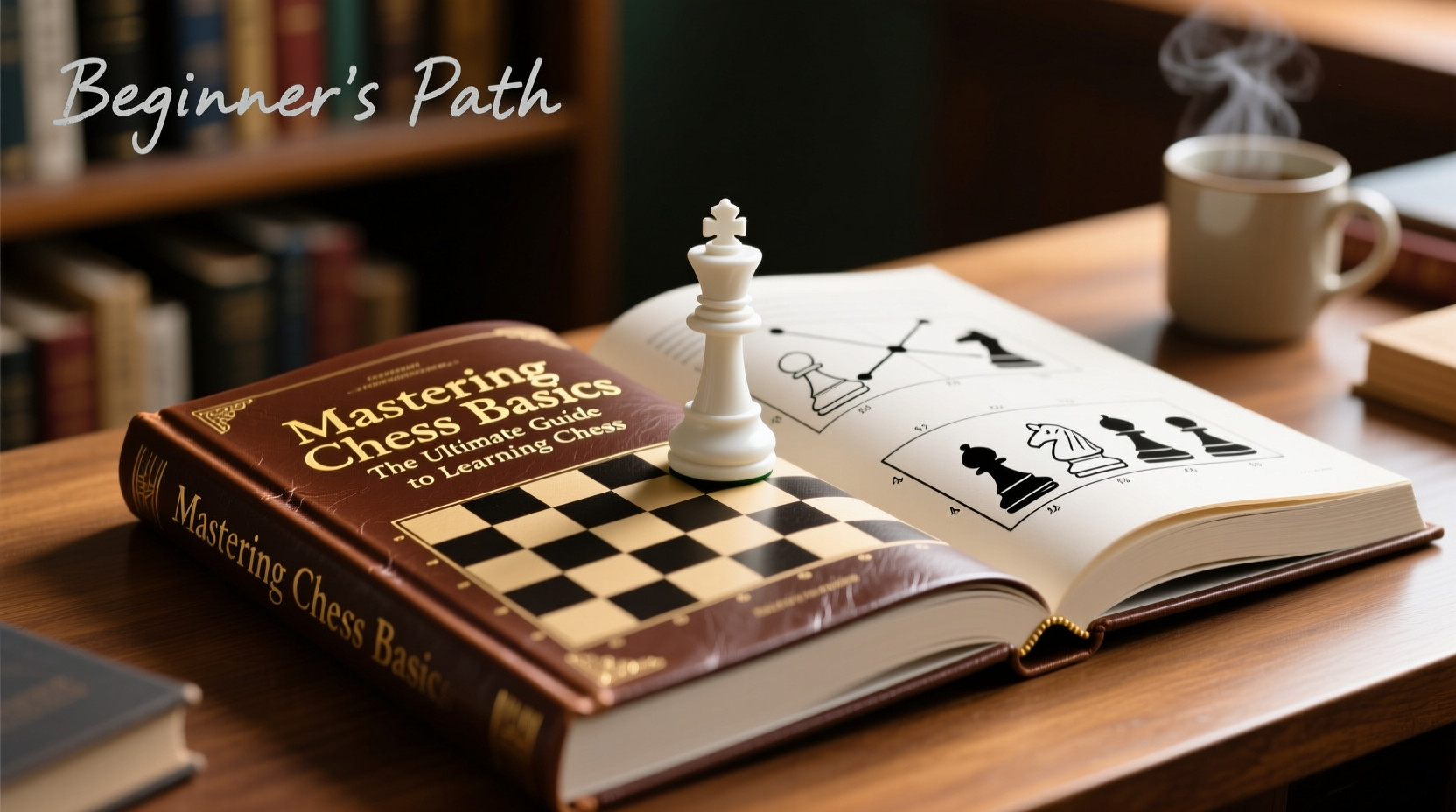
In an age dominated by apps and online tutorials, physical and digital books remain one of the most effective tools for systematic learning. Unlike fragmented video content or algorithm-driven puzzles, a quality chess book offers a curated journey—from basic rules to advanced tactics—organized with pedagogical intent. Authors often build concepts incrementally, allowing readers to internalize ideas before advancing.
Grandmasters like Bobby Fischer and Garry Kasparov credit their early development to studying classic texts. Books such as *My System* by Aron Nimzowitsch and *Logical Chess: Move by Move* by Irving Chernev have shaped generations of players. The depth and clarity found in these works are difficult to replicate in short-form digital media.
Essential Elements of a Strong Chess Foundation
Before diving into openings or endgames, every aspiring player must master core components of the game. A good chess book will cover these areas thoroughly:
- Piece Movement and Game Rules: Understanding how each piece moves, captures, and contributes to board control.
- Check, Checkmate, and Stalemate: Recognizing winning conditions and avoiding draws due to oversight.
- Basic Tactics: Pins, forks, skewers, discovered attacks, and double checks.
- Positional Concepts: Control of the center, king safety, pawn structure, and piece activity.
- Endgame Principles: King and pawn vs. king, opposition, and zugzwang.
A foundational text should not rush into complex variations but instead reinforce pattern recognition and decision-making under simple conditions. Repetition and practical exercises are key.
Recommended Beginner Books
| Book Title | Author | Focus Area | Why It Works |
|---|---|---|---|
| Chess Fundamentals | José Raúl Capablanca | Endgames & Simplicity | Written by a former World Champion; emphasizes clarity over complexity. |
| Logical Chess: Move by Move | Irving Chernev | Annotated Games | Explains every move in full games, ideal for visual learners. |
| Bobby Fischer Teaches Chess | Bobby Fischer | Tactics & Checkmates | Uses a programmed instruction method—great for self-study. |
| Winning Chess Strategy for Kids | Coakley, Jeff | Fundamentals & Fun | Engaging tone with puzzles and humor; suitable for all ages. |
How to Study Chess Books Effectively
Reading a chess book isn’t passive. To absorb its lessons, adopt an active approach. Treat each chapter like a training session rather than leisure reading.
“Books don't just teach you moves—they teach you how to think.” — Susan Polgar, Grandmaster and Chess Educator
Step-by-Step Guide to Studying a Chess Book
- Preview the Chapter: Skim headings, diagrams, and summaries to understand the scope.
- Set Up a Board: Use a physical or digital board to recreate every position discussed.
- Pause and Predict: Before reading the author’s explanation, ask: “What would I play here?”
- Analyze Variations: Work through alternative moves and understand why they succeed or fail.
- Take Notes: Jot down key ideas, patterns, or questions in a dedicated journal.
- Review Weekly: Revisit previous chapters to reinforce retention.
Building a Personal Chess Curriculum
You don’t need to read every chess book ever written. Instead, design a learning path based on your current level and goals. Here’s a checklist to help structure your study:
Beginner Chess Study Checklist
- ✅ Learn all piece movements and special rules (castling, en passant)
- ✅ Solve 5 basic checkmate puzzles daily (e.g., two-rook mate, queen + king)
- ✅ Read one annotated game per week from a beginner-friendly book
- ✅ Practice pawn endgames until you can win king + pawn vs. king reliably
- ✅ Memorize common tactical motifs (forks, pins, skewers)
- ✅ Play slow games (15+10 or longer) and analyze them using your book knowledge
As you progress, transition to intermediate texts focusing on opening principles, positional play, and middlegame planning. Books like *The Amateur’s Mind* by Jeremy Silman help bridge the gap between beginner and club-level understanding.
Real Example: From Novice to Club Player
Consider Mark, a 28-year-old software developer with no prior chess experience. He began with *Bobby Fischer Teaches Chess*, spending 30 minutes a day working through checkmate patterns. After two months, he could spot most beginner tactics instantly. He then moved to *Logical Chess: Move by Move*, analyzing one game per week while playing online games at 15-minute time controls.
Within six months, Mark improved from a 600 rating to over 1200. His breakthrough came not from playing more, but from studying deeply. By applying book-based principles—such as developing pieces before attacking and protecting the king early—he reduced blunders and started formulating plans. His progress slowed only when he stopped studying and relied solely on gameplay.
Common Pitfalls and How to Avoid Them
Many learners abandon books too quickly, lured by flashy online courses or rapid play. Others get stuck in \"collection mode\"—buying books without finishing any. Awareness of these traps improves long-term success.
“The biggest mistake beginners make is trying to learn openings before mastering tactics.” — John Nunn, GM and Chess Author
Do’s and Don’ts When Learning Chess from Books
| Do’s | Don’ts |
|---|---|
| Focus on one book at a time until completion | Jump between multiple books without finishing any |
| Use a physical board to visualize positions | Try to memorize moves without understanding the ideas |
| Revisit old material monthly to reinforce learning | Ignore exercises or skip puzzle sections |
| Combine book study with slow, thoughtful games | Rely only on blitz games to test knowledge |
FAQ
Can I become good at chess just by reading books?
Yes, especially at beginner and intermediate levels. Books provide the theoretical backbone of chess understanding. However, pairing study with regular practice—particularly slow games where you apply what you’ve learned—is essential for mastery.
How many hours per week should I study?
Consistency matters more than volume. As little as 3–4 hours per week of focused study (e.g., 30–45 minutes daily) yields significant improvement over time. Quality of attention and active engagement with the material are critical.
Are older chess books still relevant?
Absolutely. While opening theory evolves, fundamental principles of tactics, endgames, and positional play remain unchanged. Classics like *My System* or Capablanca’s works are still studied by top players today for their conceptual clarity.
Conclusion
Mastering chess through books is not outdated—it’s foundational. In a world of instant gratification and superficial learning, a well-written chess manual offers depth, coherence, and lasting insight. The journey begins not with memorizing grandmaster games, but with understanding why each piece matters, how pawns shape the battlefield, and when to attack versus when to consolidate.
Start with one trusted book. Work through it slowly. Set up the board. Think for yourself. Let the pages guide you, not overwhelm you. Over time, the patterns will emerge, the decisions will feel clearer, and the joy of discovery will grow. Chess is a lifelong pursuit—and the best place to begin is between the covers of a great book.




 浙公网安备
33010002000092号
浙公网安备
33010002000092号 浙B2-20120091-4
Comments
No comments yet. Why don't you start the discussion?