
Water rings, heat marks, and condensation stains are silent destroyers of beautiful furniture. A simple glass of iced tea or a steaming mug of coffee can leave permanent damage on wood, marble, or laminate surfaces if left unprotected. While coasters seem like minor household accessories, their consistent and intelligent use plays a major role in preserving the integrity and appearance of your home’s surfaces. From dining tables to bedside nightstands, mastering coaster use is not about formality—it’s about foresight, care, and smart daily habits.
The Hidden Impact of Neglecting Coasters
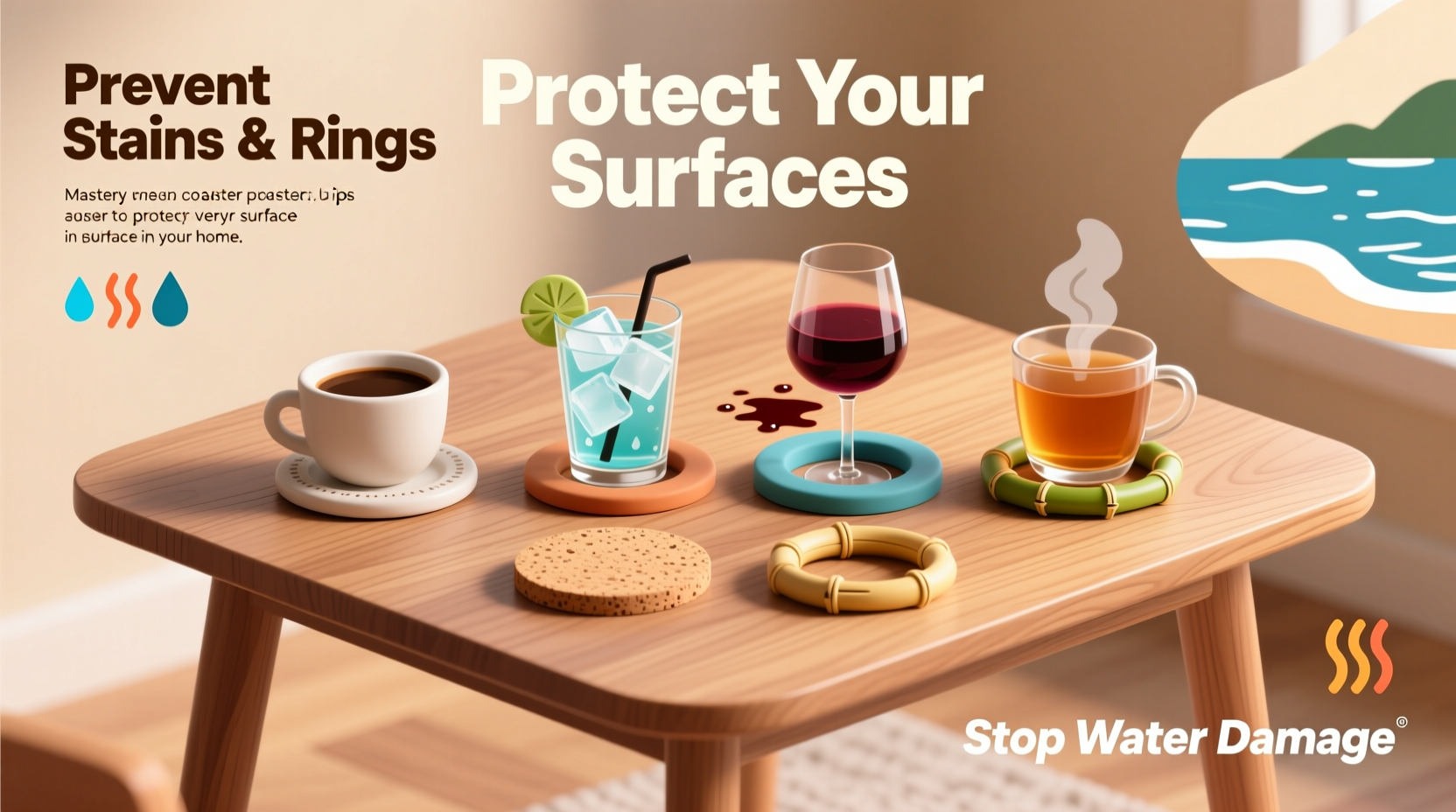
Many people underestimate how quickly everyday beverage habits can degrade surfaces. Condensation from cold drinks introduces moisture that seeps into porous materials like wood, leading to white rings or warping over time. Hot mugs transfer thermal energy that can blister varnishes or crack stone finishes. Even seemingly harmless liquids like citrus-infused water can react with certain sealants, causing discoloration.
A study by the National Wood Flooring Association found that over 60% of indoor surface damage attributed to beverages could have been prevented with proper coaster use. This isn’t just about aesthetics—long-term exposure weakens structural finishes, reducing furniture lifespan and resale value.
“Surface protection starts with small, consistent actions. A coaster isn’t decor—it’s insurance.” — Lena Peterson, Interior Preservation Specialist
Choosing the Right Coaster for Every Surface
Not all coasters are created equal. The material, thickness, and absorbency must match both the drink type and the surface being protected. Using a thin paper coaster under a hot cup on a polished oak table may still allow heat transfer. Similarly, non-absorbent plastic coasters under a sweating cocktail can trap moisture, creating a perfect environment for ring formation.
Selecting the right coaster involves understanding material compatibility and function. Below is a comparison of common coaster types and their best applications:
| Coaster Type | Best For | Avoid On | Lifespan |
|---|---|---|---|
| Cork | Hot drinks, wooden surfaces | Glass, marble (can scratch) | 1–2 years |
| Felt | Dining tables, delicate finishes | Outdoor use (absorbs moisture) | 6–12 months |
| Silicone | All surfaces, dishwasher-safe | Porous stone (may stick when wet) | 3+ years |
| Stone (marble, slate) | Decorative spaces, heat resistance | Soft woods (risk of scratching) | 5+ years |
| Paper/Cardboard | Temporary use, casual settings | Repeated or hot use | Single-use |
Strategic Placement: Making Coasters Part of Your Routine
Even the best coasters fail if they’re stored in a drawer out of reach. Effective coaster use depends on accessibility and habit formation. Think of them like light switches—always within reach where needed.
Consider these high-risk zones in your home and how to optimize coaster availability:
- Dining Room: Keep a set near the centerpiece or sideboard. Use matching sets for consistency.
- Living Room: Place coasters on each end table and near seating clusters. Rotate designs seasonally to encourage use.
- Bedroom: Add one to each nightstand—especially important for morning coffee or evening water.
- Home Office: Position near your desk lamp or keyboard tray. Hydration is key during work hours, but spills harm electronics and wood alike.
- Bathroom Vanity: Often overlooked, but perfumes, toothbrush glasses, and skincare bottles benefit from moisture barriers.
Step-by-Step Guide to Building a Coaster System
- Inventory your high-use areas – Identify all spots where drinks are regularly placed.
- Select appropriate coaster types – Match material to surface and usage frequency.
- Buy in multiples – Have at least two sets per zone to allow for cleaning rotation.
- Assign designated trays or holders – Use small bowls or stands to keep coasters visible and organized.
- Create a weekly maintenance routine – Clean reusable coasters every 7 days to prevent mildew or staining.
Real-Life Example: The Johnson Family Dining Table Rescue
The Johnsons loved hosting Sunday dinners, but after two years, their walnut dining table showed multiple white rings and dark scorch marks from teacups. They assumed the damage was irreversible—until they consulted a furniture restorer who traced it directly to inconsistent coaster use.
They implemented a new system: silicone coasters with non-slip bottoms were placed on each chair-side tray. A second set of decorative cork coasters rotated monthly for aesthetic appeal. Within six months, no new damage occurred. After refinishing, the table regained most of its original luster. “We didn’t realize how much we relied on memory,” said Sarah Johnson. “Now the coasters are just part of setting the table—like napkins.”
Do’s and Don’ts of Coaster Maintenance
Coasters only protect surfaces if they’re in good condition. Worn, damp, or dirty coasters can themselves become sources of damage.
| Do’s | Don’ts |
|---|---|
| Wash silicone or fabric coasters weekly with mild soap and air dry completely. | Leave wet coasters stacked—this breeds mold and odors. |
| Inspect for wear—replace cracked, warped, or frayed edges. | Use damaged coasters; they offer uneven protection. |
| Rotate sets to extend life and maintain hygiene. | Place paper coasters under hot drinks—they degrade quickly. |
| Store extras in accessible drawers near high-use zones. | Mix coaster types haphazardly—stick to compatible materials per room. |
Frequently Asked Questions
Do I need coasters on granite or quartz countertops?
Yes. While these materials are highly durable, prolonged exposure to acidic liquids (like lemon water) or thermal shock from very hot pans can etch or crack the surface. Coasters act as a buffer and help contain spills.
Can I use the same coasters outdoors?
Only if designed for outdoor use. Standard cork or felt absorbs moisture and deteriorates quickly outside. Opt for UV-resistant silicone, bamboo, or recycled plastic coasters for patios and decks.
How many coasters should I own for a household of four?
Aim for at least 8–12 reusable coasters. This allows 2 per person during meals, plus spares for cleaning, guests, or overflow use in other rooms.
Conclusion: Small Habits, Lasting Protection
Protecting your home’s surfaces doesn’t require expensive treatments or constant vigilance—just mindful, consistent habits. Mastering coaster use is one of the simplest yet most effective ways to preserve furniture, countertops, and décor. By choosing the right materials, placing them strategically, and maintaining them properly, you create a protective ecosystem throughout your home.




 浙公网安备
33010002000092号
浙公网安备
33010002000092号 浙B2-20120091-4
Comments
No comments yet. Why don't you start the discussion?