
As the weather warms and wardrobes shift toward lighter fabrics and brighter tones, the spring short suit emerges as a cornerstone of seasonal style. Whether tailored in linen, cotton, or lightweight wool, this versatile piece offers a polished yet relaxed silhouette perfect for brunches, city strolls, or outdoor events. But to truly elevate the look, mastering color pairing is essential. The right combination doesn’t just complement your suit—it enhances your presence, reflects your personality, and communicates confidence without saying a word.
Color is more than aesthetic choice; it’s psychological language. Spring invites vibrancy, softness, and contrast. Navigating this spectrum with intention ensures your short suit doesn’t just stand out—it resonates.
Understanding the Spring Short Suit Palette
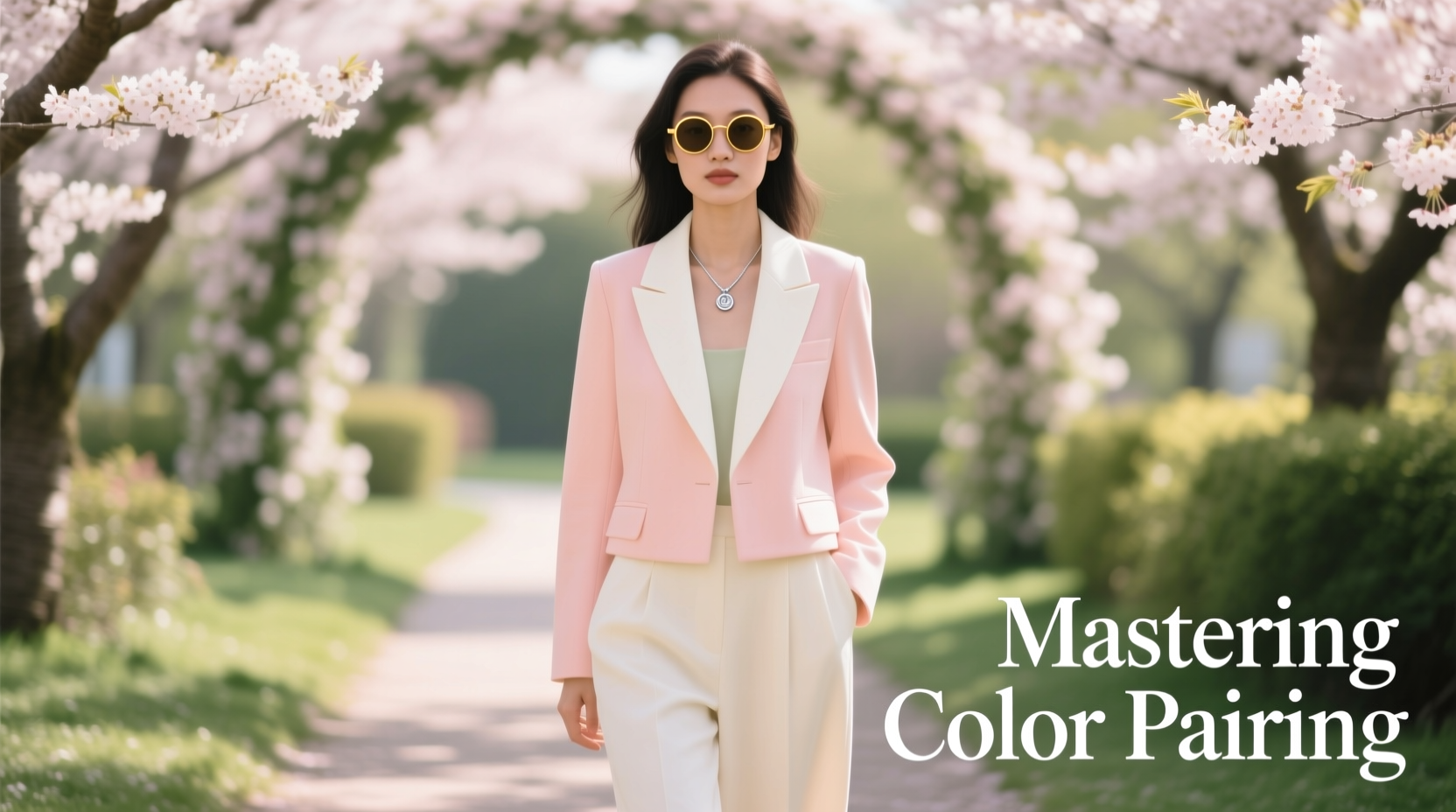
The spring short suit typically comes in hues that echo the season: soft pastels like blush pink, sky blue, mint green, and lavender, alongside warm neutrals such as camel, sand, and oatmeal. Bolder options—coral, lemon yellow, or even sage green—are also common. These colors set the foundation for pairing, but they don’t limit you. In fact, the versatility of these base tones allows for creative layering and accessory coordination.
When selecting a suit, consider not only your skin tone and personal preference but also how the base color interacts with others. For example:
- Pastel suits pair beautifully with crisp whites, deeper tonal shades, or complementary brights.
- Neutral-toned suits serve as excellent canvases for pops of color in shirts, blouses, or footwear.
- Bold-colored suits work best when balanced with subdued or monochromatic accents.
The Color Wheel Strategy: A Practical Guide
Professional stylists rely on the color wheel to build harmonious ensembles. Understanding its principles transforms guesswork into precision.
Three key schemes dominate successful spring styling:
- Analogous Pairing: Colors adjacent on the wheel (e.g., blue and green, peach and coral) create a soothing, cohesive effect. Ideal for understated elegance.
- Complementary Pairing: Opposite hues (like navy and rust, or lavender and yellow) generate visual energy. Use one as dominant, the other as accent.
- Monochromatic Layering: Different shades of the same color family add depth without clashing. Think light blue shirt under a navy short suit with indigo accessories.
For spring, analogous and monochromatic schemes often feel most seasonally appropriate, while strategic use of complementary colors adds flair.
Real Example: Olivia’s Garden Party Look
Olivia wore a powder-blue short suit to a daytime garden party. To avoid looking washed out, she paired it with a coral silk blouse—an analogous hue that warmed her complexion. Her accessories were minimal: white leather sandals and gold jewelry to maintain brightness without overwhelming the palette. The result? A look that was fresh, intentional, and universally praised for its balance.
“Color harmony isn’t about matching everything—it’s about creating rhythm. One standout element, supported by thoughtful accents, speaks louder than uniformity.” — Lena Torres, Fashion Stylist & Color Consultant
Do’s and Don’ts of Spring Suit Color Pairing
| Do | Don't |
|---|---|
| Pair a neutral short suit with a vibrant top or shirt | Wear multiple bold patterns together unless intentionally styled |
| Use shoes and bags in tonal or contrasting accents that align with your color scheme | Match your suit exactly to your shirt—this can appear costumey |
| Incorporate white or off-white pieces to lighten and refresh the look | Overload on neon shades unless deliberately making a statement |
| Balance cool and warm tones if mixing them (e.g., pair warm coral with cool mint) | Ignore undertones—cool pinks clash with warm yellows if not carefully matched |
| Test combinations in full-length mirror with all elements (including outerwear) | Forget context—what works at a festival may not suit a business lunch |
Step-by-Step: Building Your Perfect Spring Suit Outfit
Follow this sequence to ensure every ensemble feels intentional and polished:
- Start with your suit color. Identify whether it’s warm, cool, or neutral. This determines which accent families will harmonize.
- Choose your base layer. Opt for a top that either contrasts slightly (complementary) or deepens the suit tone (monochromatic).
- Add mid-tone accessories. Belts, scarves, or pocket squares can introduce a third color that bridges the suit and footwear.
- Select footwear and bag. These should either echo a secondary color in your outfit or provide grounding through neutrals (tan, white, black).
- Finalize with jewelry. Gold enhances warm palettes; silver complements cool tones. Avoid clashing metals unless part of a deliberate mix.
- Review in natural light. Step outside or near a window to assess overall balance and vibrancy.
Checklist: Your Spring Suit Color Confidence Kit
Before stepping out, run through this checklist to ensure your color pairing is on point:
- ✅ Suit color flatters my skin tone
- ✅ Top or shirt creates contrast or depth (not too matchy-matchy)
- ✅ At least one accent color ties into accessories (shoes, bag, jewelry)
- ✅ Outfit includes a neutral element (white, beige, denim, or black) for balance
- ✅ No more than three dominant colors are present
- ✅ Color choices suit the occasion (e.g., soft tones for daytime, bolder ones for evening)
- ✅ I’ve checked the full look in daylight
Frequently Asked Questions
Can I wear a patterned shirt with a solid short suit?
Absolutely. Choose a pattern that includes the suit’s color or a complementary shade. For example, a striped shirt with hints of blue works perfectly under a navy short suit. Keep the rest of the outfit simple to avoid visual clutter.
What if my short suit is already colorful—should I keep everything else neutral?
Yes, moderation is key. If your suit is in a bold hue like fuchsia or tangerine, opt for neutral tops (white, cream, gray) and minimal accessories. Let the suit be the focal point, and support it with restraint.
Are there colors I should avoid pairing in spring?
Clashing extremes—like neon green with bright red—can overwhelm. Also, avoid combining two very similar but mismatched tones (e.g., a yellowish-beige suit with a pinkish-beige shirt), as this can look like a failed match. When in doubt, introduce a third clarifying color to bridge the gap.
Conclusion: Own Your Palette, Elevate Your Style
Mastering color pairing with a spring short suit isn’t about following rigid rules—it’s about developing an eye for balance, contrast, and intention. With the right understanding of color theory, a few tested strategies, and a willingness to experiment, you can transform a simple outfit into a statement of personal style. The spring wardrobe is your canvas; color is your brush.




 浙公网安备
33010002000092号
浙公网安备
33010002000092号 浙B2-20120091-4
Comments
No comments yet. Why don't you start the discussion?